2001 Waterdam Plaza Drive, Suite 203, McMurray, PA 15317


Why Your Teeth Feel Sensitive During Cleanings (And How We Stop It)
If your teeth feel sensitive during cleanings, you are absolutely not alone. Many patients in McMurray ask us exactly this question. Understanding why your teeth feel sensitive during cleanings — and how we stop it — is something Dr. William Z. Spatz and our team at McMurray Family Dental take seriously. Sensitivity during a cleaning can feel alarming, but it is almost always manageable with the right approach.
What Causes Tooth Sensitivity During a Dental Cleaning?
Sensitivity during a cleaning comes from several common sources. The most frequent culprit is exposed dentin — the layer beneath your enamel. When gum tissue recedes or enamel wears thin, tiny tubes in the dentin become exposed to temperature and pressure.
Plaque and tartar buildup also plays a role. A thicker buildup means the hygienist must work harder to remove it. That extra effort can temporarily irritate the gum tissue and underlying tooth surface.
Gum inflammation is another factor. When gums are inflamed due to gingivitis, even gentle contact can cause tenderness. This is actually one reason regular cleanings matter — they reduce inflammation over time.
- Exposed dentin from enamel wear or gum recession
- Heavy tartar buildup requiring more pressure to remove
- Inflamed or sensitive gum tissue due to gingivitis
- Cracked teeth or existing cavities
- Naturally sensitive teeth with thinner enamel
None of these causes mean something is seriously wrong. They simply tell us how to adjust our approach for your specific needs.
How Our Hygienist Minimizes Sensitivity During Cleanings
At McMurray Family Dental, our hygienists are trained to recognize sensitivity signals and adapt in real time. We never push through discomfort without addressing it. Your comfort matters to us just as much as your oral health.
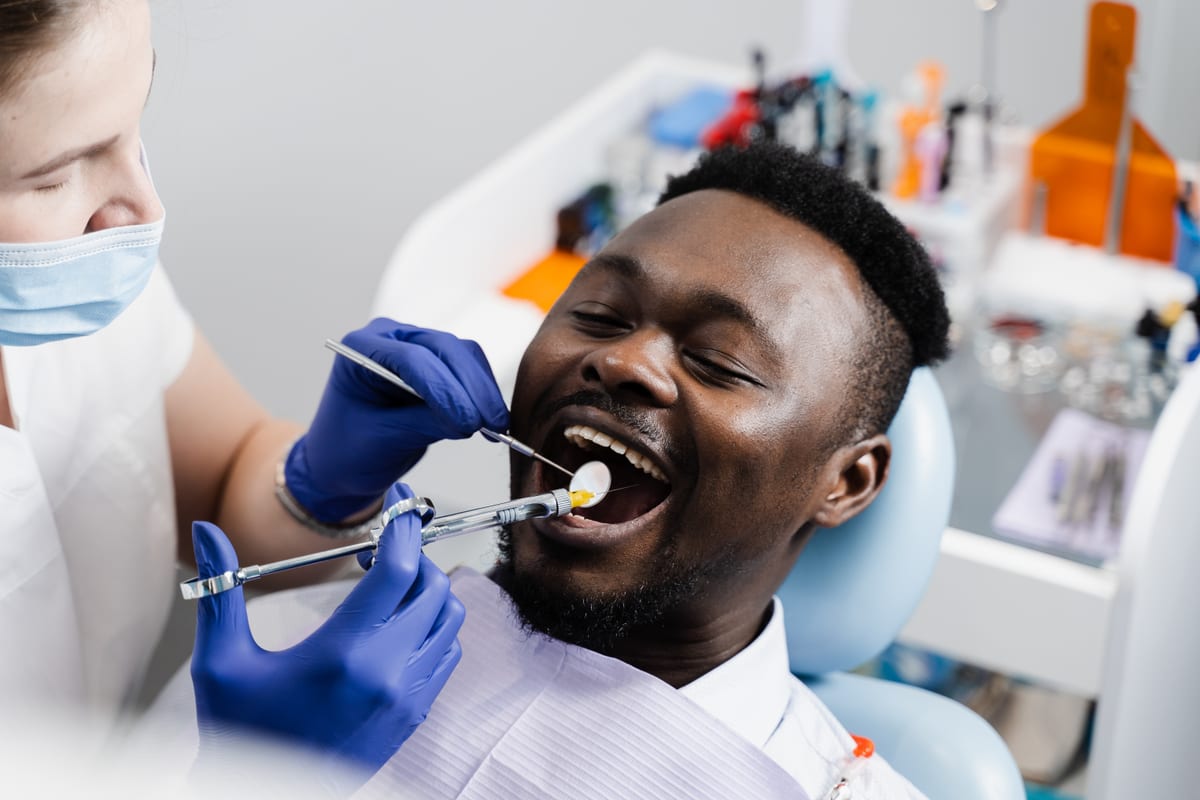
One of the first things we do is apply a topical numbing gel to sensitive areas before scaling. This small step makes a significant difference for many patients. It requires no needles and works quickly.
We also use ultrasonic scalers for much of the heavy lifting. These instruments use gentle vibrations and a water stream to break up tartar. They are often more comfortable than traditional hand scalers for patients with sensitivity.
- Topical numbing gel applied before scaling begins
- Ultrasonic scalers that use vibration instead of pressure
- Frequent breaks so you can signal discomfort at any time
- Desensitizing fluoride treatment applied after cleaning
- Adjusted technique and tool pressure based on your feedback
We also encourage you to raise your hand at any point during the appointment. Our team will stop, reassess, and make adjustments. You are always in control of your comfort level.
When Sensitivity Is a Sign of Something More
Occasional sensitivity during a cleaning is normal. However, some patterns deserve a closer look. Persistent sharp pain — especially between cleanings — may point to a deeper issue.
Cracked teeth, deep cavities, or significant gum recession can all amplify sensitivity. In these cases, Dr. Spatz may recommend a restorative solution. Options like Dental Implants McMurray or crowns can protect damaged teeth and dramatically reduce ongoing discomfort.
If you have had significant tooth loss, sensitivity may be widespread. Replacing missing teeth stabilizes your bite and reduces stress on remaining teeth. Fewer stressed teeth means less sensitivity overall.
We always take a thorough look during your exam. Dr. Spatz will review X-rays and examine your gum health before any cleaning begins. This helps us anticipate and prevent unnecessary discomfort during your visit.
Tips to Reduce Sensitivity Before and After Your Cleaning
There are steps you can take at home to reduce cleaning-related sensitivity. Starting about two weeks before your appointment, use a desensitizing toothpaste daily. These products block the tiny tubes in exposed dentin and build up protection over time.
Avoid highly acidic foods and drinks in the days leading up to your appointment. Acid temporarily softens enamel and increases sensitivity. Giving your teeth a break helps them arrive at your appointment in better shape.
After your cleaning, you may notice mild sensitivity for 24 to 48 hours. This is completely normal and will resolve on its own. Avoid very hot or cold foods during this window if you are prone to sensitivity.
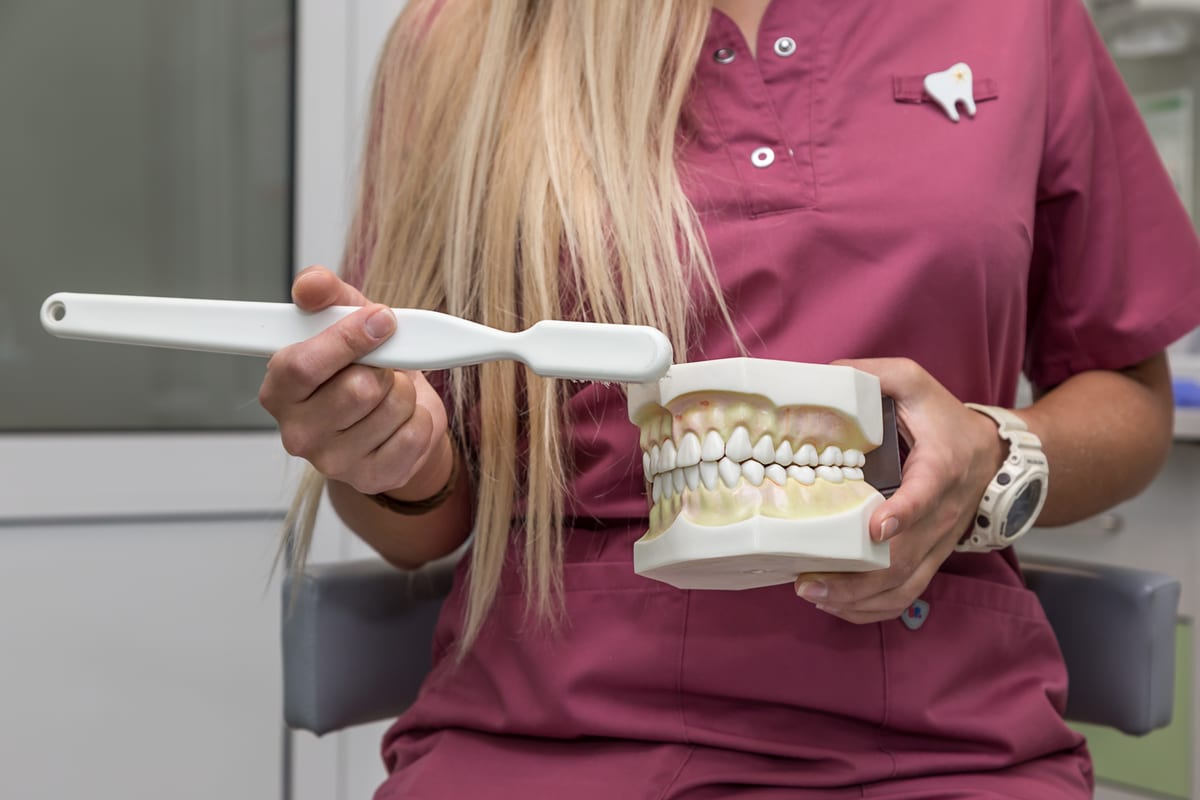
Good daily hygiene also matters. Consistent brushing and flossing keeps tartar buildup minimal. Less buildup means a gentler, faster cleaning every time — and far less sensitivity as a result.
Cosmetic Treatments and Sensitivity: What You Should Know
Many patients in McMurray ask whether cosmetic treatments make sensitivity worse. It is a smart question, and the answer depends on the treatment. Some whitening procedures can temporarily increase sensitivity — but we always screen for this beforehand.
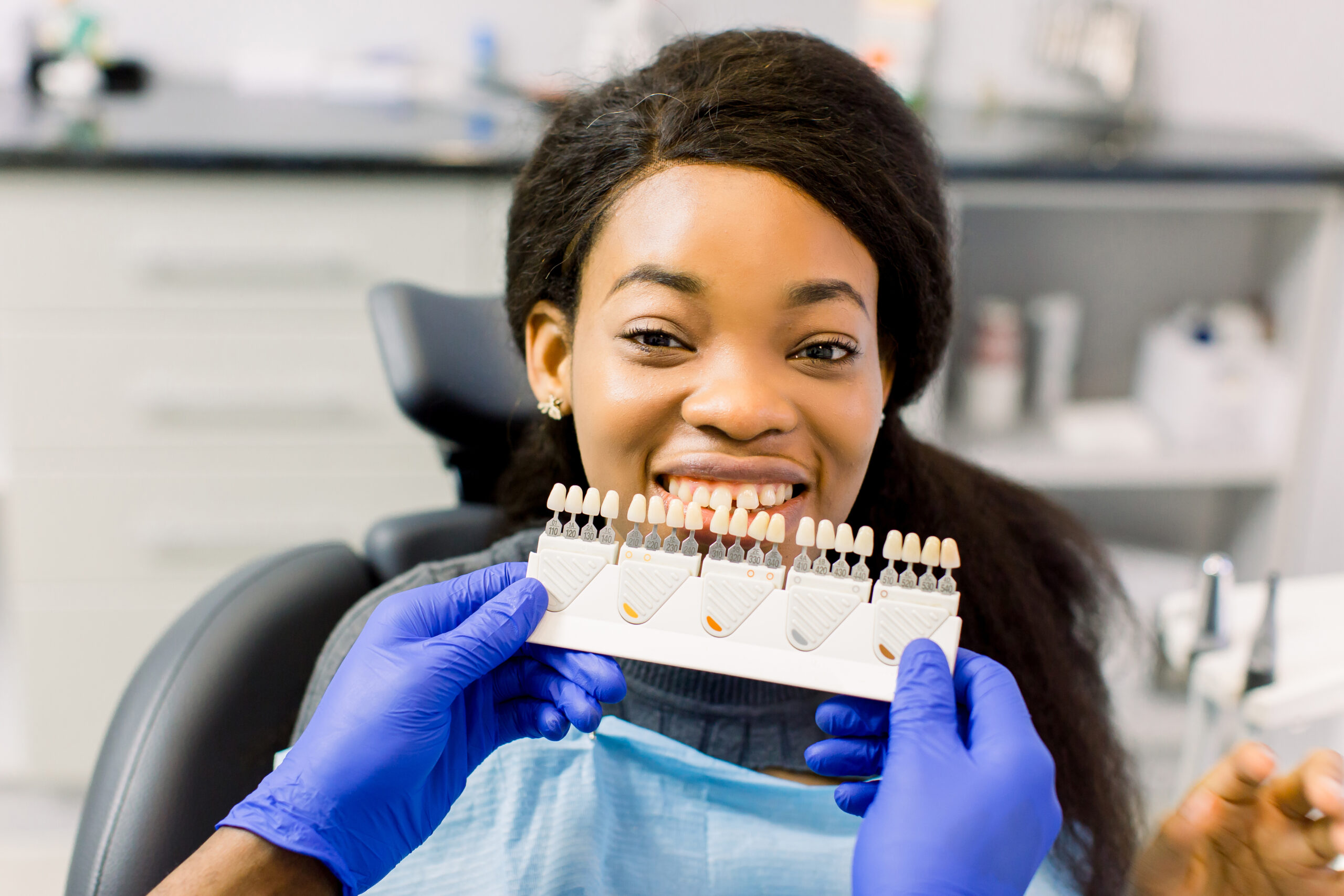
If you are interested in Cosmetic Dentistry McMurray options like veneers or whitening, Dr. Spatz will evaluate your baseline sensitivity first. We choose gentler formulas and custom trays for patients who are prone to discomfort. Your smile goals and your comfort can absolutely coexist.
Veneers, in particular, can actually help sensitive teeth in some cases. They create a protective layer over exposed tooth surfaces. Patients often report less sensitivity after veneers are placed than they experienced beforehand.
Conclusion: You Deserve a Comfortable Cleaning Experience
Sensitivity during a cleaning does not have to be something you dread or avoid. At McMurray Family Dental, Dr. Spatz and our team use every tool available to make your visit as comfortable as possible. We listen, we adjust, and we never rush through your care.
Skipping cleanings because of sensitivity fear actually makes the problem worse over time. Buildup accumulates, gum inflammation increases, and future cleanings become more involved. The best path forward is regular, gentle, well-managed care.
Our McMurray patients deserve to feel confident and at ease every time they sit in our chair. We are here to answer every question and address every concern — before, during, and after your appointment. Book Now to schedule your appointment with our team.
Frequently Asked Questions
Is tooth sensitivity during a cleaning normal?
Yes, mild sensitivity during a cleaning is very common. It usually results from exposed dentin, gum inflammation, or tartar removal. Most patients find that sensitivity decreases with regular cleanings as gum health improves over time.
Can I ask my hygienist to stop if I feel pain?
Absolutely. At McMurray Family Dental, we encourage every patient to raise their hand at any point. We will stop immediately, check in with you, and adjust our technique or apply additional numbing gel as needed.
How can I make my cleaning less sensitive next time?
Using a desensitizing toothpaste for two weeks before your appointment is one of the most effective steps. Maintaining consistent daily brushing and flossing also reduces tartar buildup, which makes cleanings gentler overall.
Does sensitivity mean I have a cavity?
Not necessarily. Sensitivity during a cleaning can have many causes, including gum recession or thin enamel. However, if you experience sharp or persistent pain between appointments, Dr. Spatz recommends scheduling an exam to rule out cavities or other concerns.
How often should I get a cleaning if I have sensitive teeth?
Most patients benefit from cleanings every six months. If you have sensitive teeth or active gum disease, Dr. Spatz may recommend more frequent visits. Consistent cleanings actually reduce sensitivity over time by keeping inflammation and buildup under control.