2001 Waterdam Plaza Drive, Suite 203, McMurray, PA 15317


Porcelain vs. Composite Veneers: Which Lasts Longer and Costs Less
Thinking about veneers but not sure which type to choose? The debate around porcelain vs. composite veneers — which lasts longer and costs less in McMurray — is one Dr. William Z. Spatz hears regularly at McMurray Family Dental. Both options can dramatically improve your smile. But they differ in cost, durability, procedure time, and long-term results. This guide breaks down everything you need to know before making your decision.
What Are Porcelain and Composite Veneers?
Veneers are thin shells bonded to the front surface of your teeth. They correct chips, stains, gaps, and uneven shapes. The two main materials are porcelain and composite resin — and each has a distinct set of strengths.
Porcelain veneers are custom-crafted in a dental lab from ceramic material. They require two or more appointments. Your dentist removes a small amount of enamel, takes impressions, and places temporary veneers while your permanent ones are fabricated.
Composite veneers are made from tooth-colored resin applied directly to your teeth. A skilled dentist like Dr. Spatz sculpts the material chairside in a single visit. No lab work is needed, which speeds up the process considerably.
Understanding these basics helps you evaluate which option better fits your lifestyle and goals. This comparison is central to the Cosmetic Dentistry McMurray services offered at our practice.
Aesthetics: Which Veneer Type Looks More Natural?
Both veneers improve your smile’s appearance. However, porcelain and composite differ noticeably in how natural they look over time.
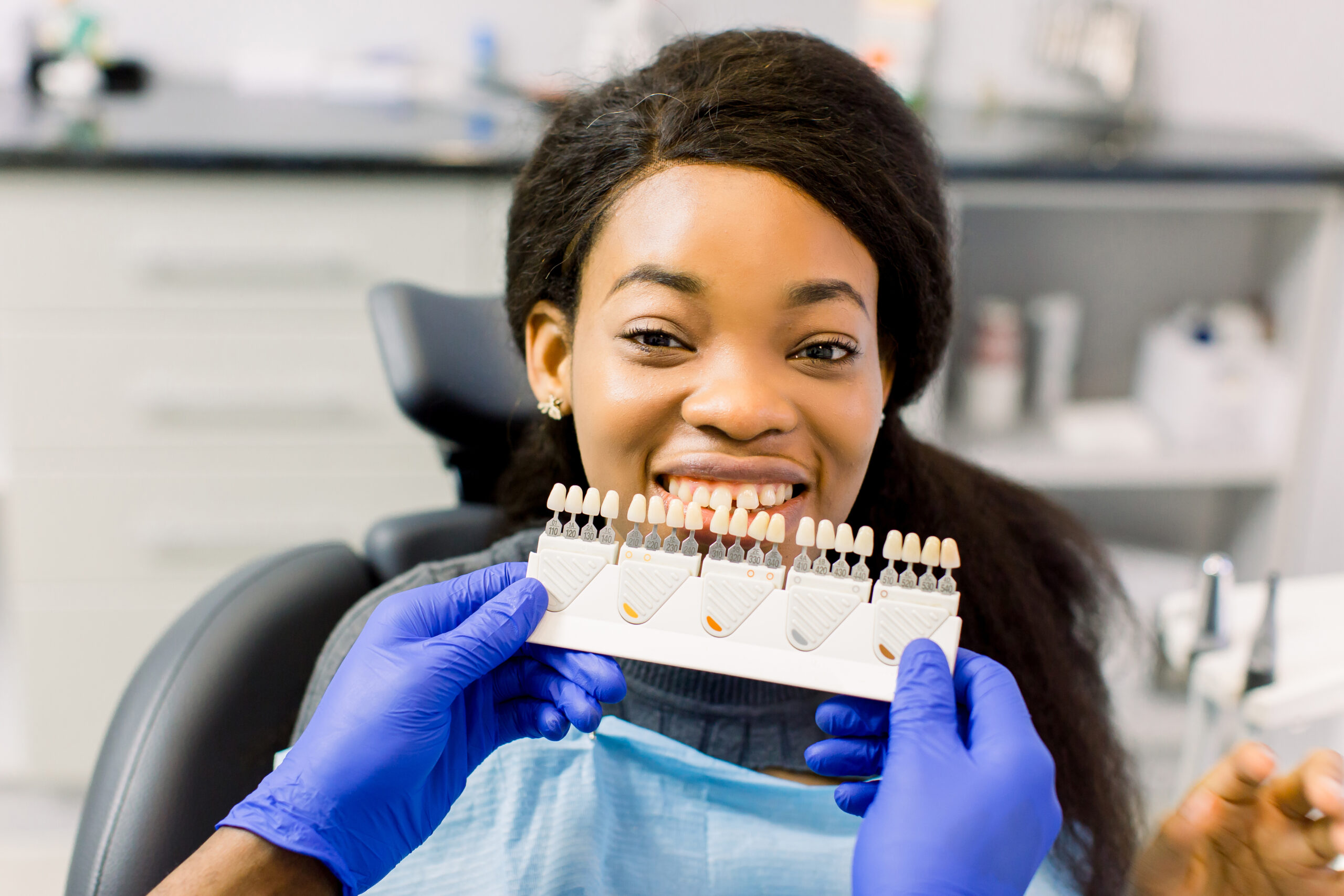
Porcelain closely mimics natural tooth enamel. It reflects light in the same way real teeth do. The result is a seamless, lifelike smile that holds up beautifully for years. Porcelain also resists staining from coffee, tea, and wine far better than composite.
Composite veneers look great right after placement. However, the resin material is more porous. Over time, it can absorb stains and lose its initial luster. Regular polishing helps maintain the appearance, but touch-ups may be needed sooner.
- Porcelain reflects light like natural enamel
- Composite offers an immediate cosmetic improvement
- Porcelain resists staining for longer
- Composite may require more frequent polishing
- Both can be color-matched to surrounding teeth
For patients in McMurray who want the most lifelike result, porcelain typically wins on aesthetics. That said, composite veneers still deliver a meaningful smile transformation.
Durability and Longevity: Which Option Lasts Longer?
Longevity is one of the biggest factors in the porcelain vs. composite veneers conversation. It directly affects your investment over time.
Porcelain veneers typically last 10 to 15 years with proper care. Some last even longer. They are highly resistant to cracking and chipping under normal use. Regular dental checkups help ensure they stay in excellent condition.
Composite veneers generally last 5 to 7 years. They are more prone to chipping and wear from biting forces. However, they are much easier to repair. A dentist can add or reshape composite resin in a single visit without replacing the entire veneer.
- Porcelain: 10–15 years average lifespan
- Composite: 5–7 years average lifespan
- Porcelain is more resistant to chipping
- Composite is easier and faster to repair
- Both require good oral hygiene to last
Repairability is worth considering. If a porcelain veneer chips or cracks, the entire shell usually needs replacement. That increases long-term costs if damage occurs. Composite repairs are simpler and far less expensive.
Cost Comparison: Porcelain vs. Composite Veneers in McMurray
Cost is often the deciding factor for many patients. When comparing porcelain vs. composite veneers — which costs less in McMurray — composite wins upfront, but the full picture is more nuanced.
Composite veneers typically cost significantly less per tooth than porcelain. The savings come from shorter chair time and no lab fees. This makes them an attractive option for patients wanting a quick, budget-friendly smile upgrade.
Porcelain veneers carry a higher initial price tag. However, their longer lifespan means you may replace them less often. Over 15 years, the cost-per-year difference between the two narrows considerably. You pay more upfront but potentially less over time.
Dr. Spatz and the team at McMurray Family Dental can walk you through cost expectations during a consultation. We make sure you understand exactly what each treatment involves before committing.
The Procedure: What to Expect With Each Option
The experience of getting veneers differs depending on which type you choose. Knowing what to expect helps reduce anxiety and plan your schedule.
For porcelain veneers, expect at least two appointments. During the first visit, your dentist prepares your teeth by removing a thin layer of enamel. Impressions are sent to a dental lab. Temporary veneers protect your teeth in the meantime. At the second visit, your permanent veneers are bonded in place.
For composite veneers, the entire process happens in one appointment. Your dentist applies the resin directly to your teeth, shapes it, and hardens it with a curing light. There is no waiting period and no temporary veneers needed. Most patients leave the same day with a complete smile transformation.
Both procedures are minimally invasive. However, porcelain veneer placement is irreversible because enamel removal is permanent. Composite placement removes little to no enamel in most cases, preserving more of your natural tooth structure.
Healthy teeth are essential before any veneer placement. That is why regular Dental Checkups and Teeth Cleaning appointments matter so much. For patients who also need structural restoration, options like Dental Implants McMurray may be worth discussing alongside cosmetic treatments.
Which Option Is Right for You?
The best choice depends on your goals, budget, and oral health. There is no single right answer for every patient.
Choose porcelain veneers if you want the most natural-looking, long-lasting result and are comfortable with a multi-visit process. They suit patients committed to long-term smile investment.
Choose composite veneers if you want a faster, more affordable transformation with easier repairability. They work well for younger patients or those exploring cosmetic options for the first time.
During a consultation at McMurray Family Dental, Dr. Spatz will evaluate your teeth, listen to your goals, and recommend the approach that makes the most sense for you. Our team in McMurray, PA is here to help you make an informed, confident decision about your smile.
Ready to take the next step? Book Now to schedule your appointment with our team.
Frequently Asked Questions
How long do composite veneers last compared to porcelain?
Composite veneers typically last 5 to 7 years. Porcelain veneers can last 10 to 15 years or longer with proper care. The right choice depends on your budget, lifestyle, and how much tooth preparation you are comfortable with.
Can composite veneers be repaired if they chip?
Yes. One of the biggest advantages of composite veneers is their repairability. A dentist can add and reshape composite resin chairside in a single visit. Porcelain veneers, by contrast, usually need full replacement if they crack or chip significantly.
Do veneers require special maintenance?
Both types of veneers require good oral hygiene. Brush twice daily, floss regularly, and avoid biting hard objects like ice or fingernails. Regular dental checkups and cleanings help extend the life of your veneers. Avoid excessive coffee and wine consumption to minimize staining, especially with composite.
Is the veneer procedure painful?
Most patients experience little to no discomfort during veneer placement. Local anesthesia is used during the enamel preparation stage for porcelain veneers. Composite veneer application is typically pain-free. Some mild sensitivity after placement is normal and usually fades within a few days.
Who is a good candidate for veneers in McMurray?
Good candidates for veneers have healthy teeth and gums with no untreated decay or gum disease. Veneers work well for people with staining, chips, minor gaps, or uneven teeth. Dr. Spatz at McMurray Family Dental will assess your oral health during a consultation to determine whether porcelain or composite veneers are the right fit for your smile goals.