2001 Waterdam Plaza Drive, Suite 203, McMurray, PA 15317


Why Your Teeth Whitening Didn’t Work: Intrinsic vs. Extrinsic Stains
You tried whitening strips. Maybe you even splurged on a professional kit. But your smile still looks dull or discolored. If you’ve been wondering why your teeth whitening didn’t work — intrinsic vs. extrinsic stains in McMurray is actually the key to your answer. Not all stains respond to whitening treatments the same way. Understanding the difference can save you time, money, and frustration.
At McMurray Family Dental, Dr. William Z. Spatz helps patients figure out exactly what type of discoloration they’re dealing with. From there, we recommend the right solution — not just the most popular one.
What Are Extrinsic Stains and Why Whitening Usually Works on Them
Extrinsic stains live on the surface of your teeth. They develop in the outer layer of enamel. These stains come from foods, drinks, and habits that leave pigment behind over time.
Common causes of extrinsic staining include:
- Coffee, tea, and red wine
- Dark-colored sauces and berries
- Tobacco use — both smoking and chewing
- Poor brushing habits that let surface buildup accumulate
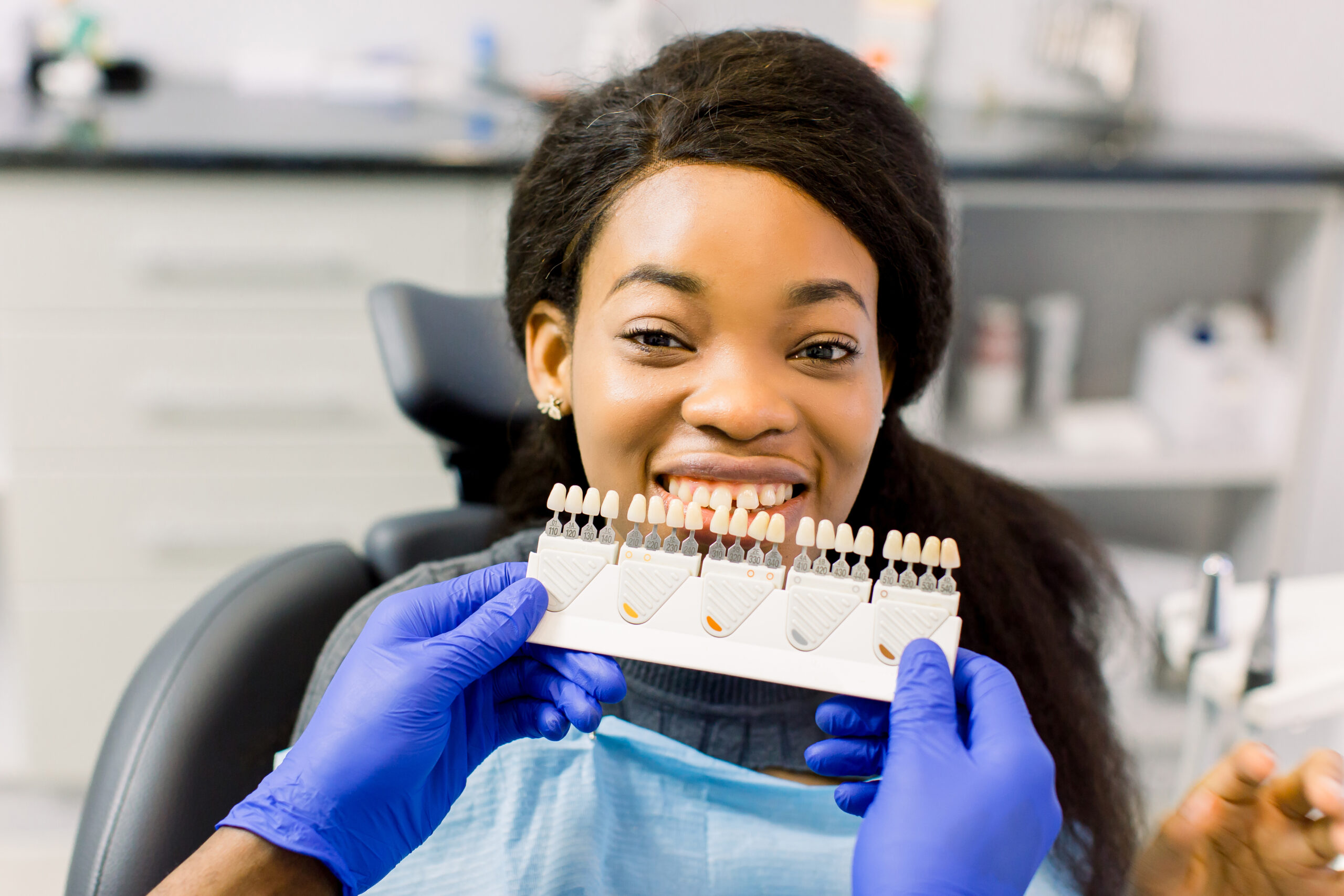
Whitening treatments — both store-bought and professional — work by using hydrogen peroxide or carbamide peroxide. These agents break apart the pigment molecules on the enamel surface. That’s why extrinsic stains respond well to bleaching. A professional whitening session at our McMurray office can lift these stains significantly in a single visit.
If your staining is extrinsic, whitening is often the right first step. However, even surface stains vary in severity. Very deep extrinsic staining may need multiple treatments or a professional-strength formula to achieve results.
What Are Intrinsic Stains and Why Whitening Doesn’t Fix Them
Intrinsic stains are a completely different story. These stains form inside the tooth — within the dentin layer beneath the enamel. Whitening agents simply cannot penetrate deep enough to reach them effectively.
Intrinsic stains are caused by a range of factors, including:
- Tetracycline or other antibiotic use during childhood tooth development
- Excessive fluoride exposure during early childhood (dental fluorosis)
- Trauma to a tooth that causes internal bleeding or nerve damage
- Aging, which naturally darkens the dentin layer over time
- Genetic conditions that affect enamel or dentin formation
If your staining falls into this category, no amount of whitening will give you the bright result you’re hoping for. This is the most common reason patients in McMurray feel let down by whitening products. The stain isn’t on the surface — it’s inside the tooth itself.
Recognizing intrinsic staining early helps you skip ineffective treatments and move toward solutions that actually work. Dr. Spatz can identify the type of staining during a simple exam and recommend the right path forward.
What Are the Best Alternatives for Intrinsic Stains in McMurray?
When whitening isn’t the answer, restorative and cosmetic options can make a dramatic difference. The right choice depends on the number of teeth affected and the severity of the discoloration.
Veneers are one of the most effective options for intrinsic staining. These are thin, custom-made shells bonded to the front of your teeth. They completely cover the discolored surface. Veneers work especially well for antibiotic-related staining or uneven coloration across multiple teeth.
Dental Crowns are a strong option when a single tooth is deeply stained — especially after trauma or root canal treatment. A crown covers the entire visible portion of the tooth. It restores both appearance and function at the same time.
For patients with more complex needs — including missing teeth alongside discoloration — Dental Implants McMurray may be part of a broader smile restoration plan. Our team looks at the full picture before making any recommendations.
Exploring all your options under one roof is one of the biggest advantages of visiting a comprehensive general dentistry practice. You don’t need multiple referrals or separate consultations to find your answer.
How McMurray Family Dental Helps You Choose the Right Treatment
Choosing between whitening and an alternative treatment isn’t always obvious. That’s why a professional evaluation matters so much. Dr. Spatz takes time to examine both the type and source of discoloration before suggesting any treatment plan.
During your visit, we look at several factors:
- The location of the stain — surface or internal
- The likely cause — lifestyle habits, medications, or development
- The number of teeth affected
- Your overall oral health and long-term goals
From there, we discuss all realistic options with you. We explain what each treatment involves, what results to expect, and how long results typically last. We want you to make an informed decision — not just follow a trend.
Our Cosmetic Dentistry McMurray services include veneers, teeth whitening, and smile makeover planning. Whether your staining is intrinsic or extrinsic, there’s a path forward that fits your smile and your lifestyle.
When to See Dr. Spatz About Tooth Discoloration
You don’t have to wait until whitening fails to seek help. In fact, coming in before you try over-the-counter products can save you money. A short consultation can tell you exactly what type of staining you’re dealing with upfront.
You should schedule an appointment if you notice:
- Discoloration that hasn’t improved after multiple whitening attempts
- A single tooth that looks significantly darker than the others
- Gray or blue-toned staining rather than yellow
- Staining that appeared after taking certain medications
Gray or blue discoloration is a strong sign of intrinsic staining. Yellow or brown surface staining is more likely to respond to whitening. These visual clues aren’t always definitive — but they give us a helpful starting point during your exam.
The right answer for your smile is out there. You just need the right guidance to find it. Our team at McMurray Family Dental is here to walk you through every option clearly and honestly.
Conclusion: The Right Solution Starts With the Right Diagnosis
Teeth whitening is a powerful tool — but only when used for the right type of staining. If you’ve tried whitening and haven’t seen results, intrinsic staining may be the reason. Knowing whether your discoloration is inside or outside the tooth completely changes which treatment will actually help. Dr. Spatz and the team at McMurray Family Dental are ready to give you a clear, personalized answer. Book Now to schedule your appointment with our team.
Frequently Asked Questions
Why didn’t my whitening strips work even after using them for two weeks?
Whitening strips only target extrinsic stains on the enamel surface. If your staining is intrinsic — meaning it formed inside the dentin layer — strips won’t reach it. A dental exam can help identify the cause and suggest a more effective alternative like veneers or crowns.
Can professional whitening fix tetracycline staining?
Unfortunately, tetracycline staining is one of the most resistant types of intrinsic discoloration. Professional whitening rarely produces significant results for this type of stain. Veneers are typically the most effective option for achieving a uniform, bright smile in these cases.
How do I know if my stain is intrinsic or extrinsic?
Color and pattern offer some clues — gray or blue tones often indicate intrinsic staining, while yellow or brown surface discoloration tends to be extrinsic. However, a professional evaluation by Dr. Spatz is the most reliable way to determine which type you have and what treatment will work best.
Is teeth whitening safe if I have sensitive teeth?
Whitening can temporarily increase sensitivity, especially in patients who already experience it. Dr. Spatz can recommend lower-concentration formulas or desensitizing treatments to minimize discomfort. It’s always best to discuss sensitivity concerns before starting any whitening treatment.
How long do veneers last compared to whitening?
Professional whitening results typically last one to three years depending on your diet and habits. Veneers, when properly cared for, can last ten to fifteen years or more. For patients with intrinsic staining, veneers often provide a more durable and predictable long-term solution.