2001 Waterdam Plaza Drive, Suite 203, McMurray, PA 15317


Your Dental Restorations Could Last Decades—Here’s How
Your dental restorations could last decades—here’s how McMurray patients can make that happen. Whether you have a crown, veneer, implant, or bridge, these restorations are a real investment in your smile. Understanding what makes them last—and what shortens their lifespan—puts you in control. Dr. William Z. Spatz and the team at McMurray Family Dental want every patient to get the most out of their dental work.
How Long Do Common Dental Restorations Last in McMurray?
Longevity varies by restoration type, materials used, and how well you care for them. Knowing the general lifespan of each option helps you plan smartly. Here is a realistic breakdown for the most common restorations we provide.
- Dental Crowns: Typically last 10–15 years, often much longer with good care.
- Veneers: Usually last 10–20 years before replacement is needed.
- Dental Bridges: Average lifespan is 10–15 years with proper hygiene.
- Dental Implants : With proper care, Dental Implants McMurray patients receive can last 25 years or even a lifetime.
- Full Mouth Implants: The implant posts are permanent; prosthetic teeth may need replacement after 15–20 years.
- Teeth Whitening: Results last 1–3 years depending on diet and habits.
Implants stand out as the longest-lasting restoration available today. Their titanium roots fuse with your jawbone, creating a stable, permanent foundation. No other restoration matches that level of durability.
What Shortens the Lifespan of Your Dental Restorations?
Several common habits quietly wear down your restorations faster than expected. Identifying these threats is the first step toward protecting your investment. Dr. Spatz sees these culprits regularly in McMurray patients.
Grinding and clenching your teeth—known as bruxism—puts enormous pressure on crowns and veneers. Many people grind at night without realizing it. A custom nightguard can protect your restorations while you sleep. This simple device can add years to your dental work.
Diet plays a major role as well. Sugary and acidic foods break down the cement that holds crowns and bridges in place. Hard foods like ice, popcorn kernels, and hard candy can crack or chip restorations. Limiting these foods protects both your natural teeth and your dental work.
- Skipping regular dental checkups allows small problems to become big ones.
- Using your teeth as tools—opening packages, biting nails—damages restorations quickly.
- Tobacco use stains veneers and whitening results and weakens surrounding gum tissue.
- Poor brushing technique wears down restoration edges over time.
- Ignoring gum disease undermines the foundation that restorations depend on.
Even small cracks in restorations can worsen rapidly if left untreated. Catching problems early during routine visits saves you time, discomfort, and money in the long run.
What Extends the Life of Restorations—Maintenance That Actually Works
The good news is that most restoration failures are preventable. Consistent, simple habits make an enormous difference over time. McMurray Family Dental patients who follow these steps consistently get the most out of their restorations.
Brushing twice daily with a soft-bristled toothbrush is non-negotiable. Hard bristles scratch the surface of crowns and veneers, making them more vulnerable to staining. Use a non-abrasive toothpaste to avoid microscopic surface damage. Fluoride toothpaste also strengthens the natural teeth supporting your restorations.
Flossing daily protects the gum tissue around bridges and implants. Bacteria that build up beneath the gumline can cause bone loss over time. Bone loss is one of the leading causes of implant failure. A water flosser can be especially helpful around implants and bridges.
Attending your bi-annual dental checkups at McMurray Family Dental is essential. During these visits, Dr. Spatz inspects restorations for wear, cracks, and fit. Early intervention prevents minor issues from escalating into full replacements. Professional cleanings also remove buildup that your toothbrush simply cannot reach.
Cosmetic Restorations and Long-Term Smile Goals
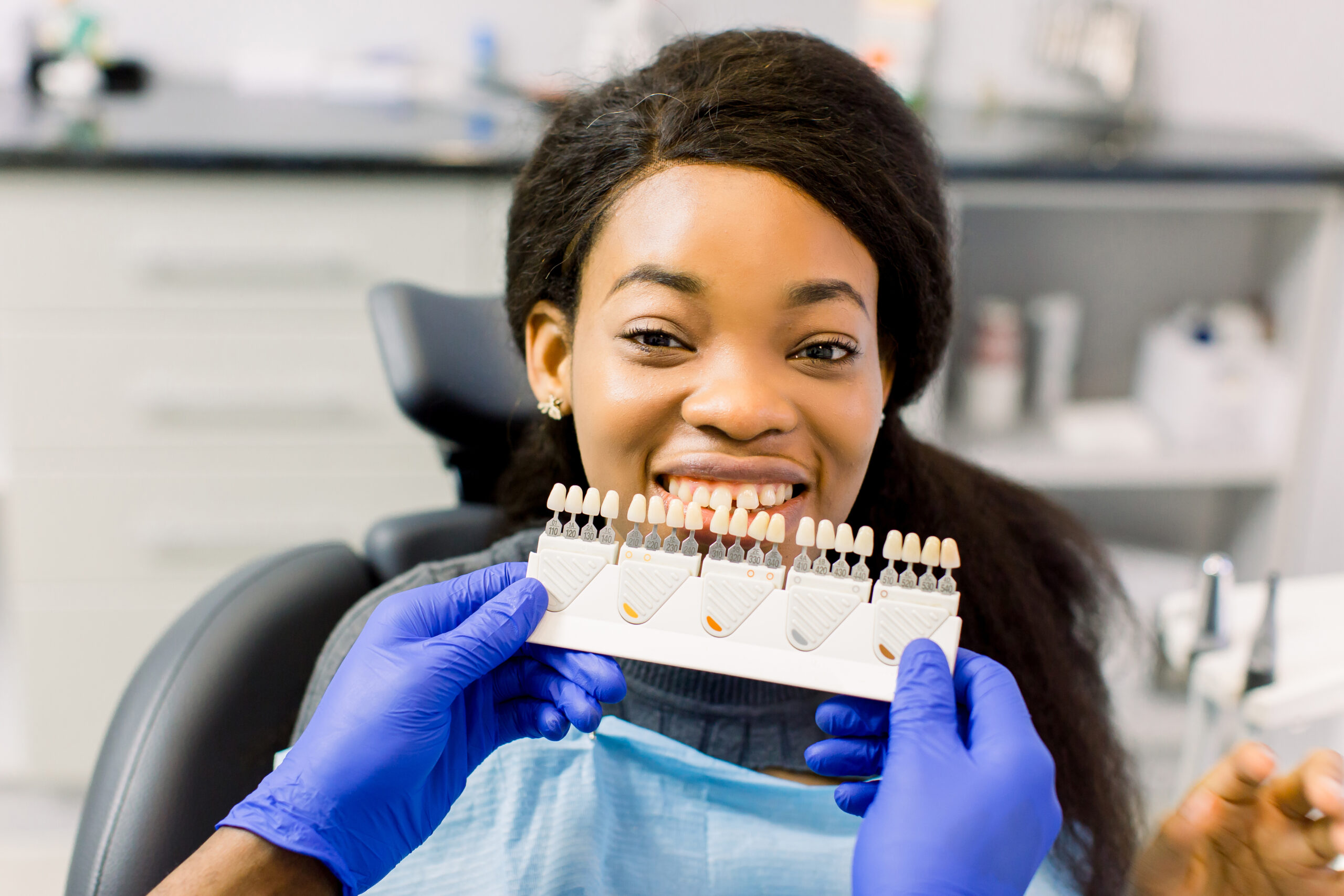
Many McMurray patients combine functional and cosmetic restorations for a complete smile transformation. Veneers, crowns, and whitening all fall under Cosmetic Dentistry services that Dr. Spatz provides. Understanding their individual lifespans helps you plan touch-ups and replacements wisely. A well-planned smile makeover can look stunning for 15–20 years with the right care.
Veneers are a popular choice for patients who want dramatic smile improvements. Porcelain veneers resist staining better than natural enamel. However, they are not indestructible—biting into hard foods or grinding can chip them. Protecting veneers with a nightguard and mindful eating habits extends their beautiful results significantly.
Teeth whitening results fade over time, especially with coffee, tea, and red wine. Touch-up treatments every 12–18 months keep your smile bright between major treatments. Pairing whitening with other cosmetic work gives you a cohesive, long-lasting result. Dr. Spatz can help you build a maintenance plan that fits your lifestyle and smile goals.
Working With Dr. Spatz to Protect Your Investment
Every smile is unique, and so is every restoration plan. Dr. Spatz takes time to explain what your specific restorations need to last. He factors in your bite, habits, and oral health history when making recommendations.
If a restoration is showing signs of wear, early treatment is always better. A small adjustment or re-cementation is far less involved than a full replacement. Restorative Dentistry at McMurray Family Dental focuses on preserving what you already have. The goal is always to keep your natural teeth and existing restorations healthy for as long as possible.
Your dental restorations represent both your health and your confidence. Protecting them is one of the smartest things you can do for your long-term wellbeing. McMurray Family Dental is here to support that journey every step of the way. Book Now to schedule your appointment with our team.
Frequently Asked Questions
How long do dental implants last compared to other restorations?
Dental implants are the longest-lasting restoration available. The titanium implant post can last a lifetime with proper care. The crown attached to the implant typically lasts 15–25 years before it may need replacement. No other restoration option offers that level of permanence.
Can I make my dental crowns last longer than 15 years?
Yes, absolutely. Many patients keep their crowns in excellent condition for 20 years or more. The key factors are consistent brushing and flossing, wearing a nightguard if you grind, and attending regular checkups. Dr. Spatz can monitor your crowns at each visit and address wear early.
Does teeth whitening damage my other dental restorations?
Whitening treatments only affect natural tooth enamel, not crowns, veneers, or bridges. This means existing restorations will not change color during whitening. If you are planning whitening alongside other cosmetic work, it is best to whiten first. Dr. Spatz can then match your restorations to your new shade.
What happens if I skip my regular dental checkups?
Skipping checkups means small problems with restorations go undetected. A tiny crack in a crown can grow into a break that requires full replacement. Gum disease can silently undermine the bone supporting implants and bridges. Bi-annual visits are the most cost-effective way to protect your dental work long-term.
Are veneers a permanent solution for my smile?
Veneers are considered a long-term but not permanent solution. They typically last 10–20 years before replacement becomes necessary. Because a thin layer of enamel is removed during placement, you will always need some form of veneer on those teeth. With proper care and regular visits, veneers can maintain a beautiful appearance for many years.