2001 Waterdam Plaza Drive, Suite 203, McMurray, PA 15317


Dental Implants Maintenance Tips for Long-Term Success
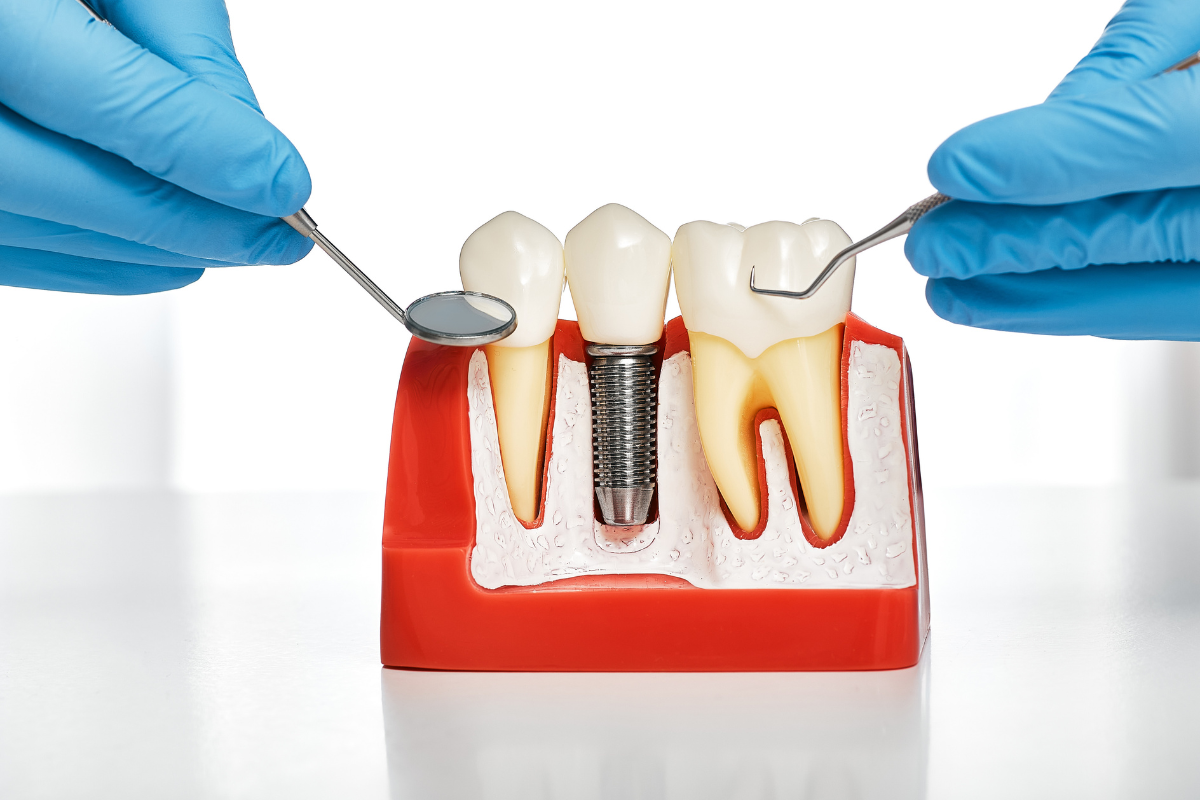
Dental implants are a reliable and long-lasting way to restore missing teeth and regain confidence in your smile. While they are designed for durability, their success depends heavily on proper care and maintenance. Patients considering or already using dental implants, Mc Murray Services should understand the habits that support long-term function and comfort.
By following simple daily practices and attending regular checkups, you can protect your investment and keep your smile healthy for years to come.
- Maintain Excellent Oral Hygiene
Just like natural teeth, implants require consistent cleaning. Brushing twice daily with a soft-bristle toothbrush and fluoride toothpaste helps remove plaque around the implant site. Daily flossing or using interdental brushes is equally important to clean hard-to-reach areas. Adding an antimicrobial mouth rinse can further reduce bacteria and support healthy gums.
- Schedule Routine Dental Visits
Professional checkups allow your dental provider to monitor the condition of your implants and surrounding tissue. During these visits, any early signs of inflammation or complications can be addressed promptly. Routine cleanings also help maintain oral health and ensure your implants remain stable and functional.
- Avoid Hard or Sticky Foods
Although implants are strong, chewing excessively hard or sticky foods can place unnecessary stress on restorations. Limiting items like ice, hard candy, or sticky treats helps prevent damage and preserves the integrity of your dental work. Choosing balanced, tooth-friendly foods supports long-term success.
- Protect Against Teeth Grinding
Grinding or clenching your teeth can put pressure on implants over time. If you experience bruxism, your dentist may recommend a custom night guard. Wearing protective appliances while sleeping helps reduce stress on restorations and prevents premature wear.
- Refrain From Smoking
Smoking can interfere with healing and increase the risk of gum complications. Maintaining a smoke-free lifestyle improves circulation and supports tissue health around implant sites, contributing to better long-term outcomes.
- Follow A Nutritious Diet
A well-balanced diet promotes overall oral health and strengthens bone support around implants. Nutrients such as calcium and vitamin D help maintain bone density, while reducing excessive sugar intake lowers the risk of gum disease and plaque buildup.
- Address Gum Concerns Promptly
Healthy gums are essential for implant stability. If you notice redness, swelling, or bleeding, seek professional care promptly. Early intervention helps prevent complications and preserves the longevity of your restorations.
Keep Your Smile Strong For Years To Come
Proper care plays a vital role in the longevity and performance of dental implants. By practicing good hygiene, making mindful dietary choices, and attending routine dental visits, you can enjoy lasting results and improved confidence. At McMurray Family Dental, patients receive personalized support to maintain healthy, functional smiles. If you’re considering or already have dental implants, McMurray patients trust, schedule your consultation today and take the next step toward protecting your long-term oral health.
Frequently Asked Questions
- How long do dental implants last?
Prosthetic teeth can last a lifetime with proper care. Usually, a crown needs to be replaced after 10-15 years, but the implant itself can remain in place with proper maintenance.
- Are dental implants painful?
While you may experience some discomfort after the procedure, dental implants themselves are not painful. Any pain is typically temporary and managed with over-the-counter medications or prescribed pain relievers.
- How do I know if I’m a candidate for dental implants?
Most people with good oral health and sufficient jawbone density are candidates. A dentist will evaluate your overall health, dental condition, and jaw structure to determine whether you are a suitable candidate for implants.
- Can dental implants fail?
Yes, the treatment can fail due to factors like infection, poor oral hygiene, or inadequate bone density. Regular check-ups and proper care significantly reduce the risk of implant failure.
- Can I eat normally with dental implants?
Yes, implanted teeth function like natural teeth, allowing you to eat almost anything. However, avoid extremely hard or sticky foods during the initial healing phase to protect your dental work.