2001 Waterdam Plaza Drive, Suite 203, McMurray, PA 15317


What Does the Dental Implant Process Actually Look Like?
You’ve Been Avoiding Photos for Years. Here’s What Getting Your Smile Back Actually Looks Like
You catch yourself covering your mouth when you laugh. You skip the family photo because of “the gap.” You’ve stopped eating the foods you used to love without thinking twice.
If a missing tooth has quietly taken over how you live, you’re not alone — and you’re not stuck. Dental implants are one of the most reliable ways to get a real smile back, and understanding dental implants Mcmurray patients trust starts with knowing exactly what the process involves, step by step.
This guide walks you through it all: why waiting can make things worse, what treatment actually looks like, and how a local, experienced team can help you feel confident again.
The Problem: A Missing Tooth Is Never “Just Cosmetic”
It’s easy to think of a missing tooth as a small inconvenience. It isn’t.
Every time you chew on one side to avoid a gap, you shift pressure onto teeth that weren’t built for it. Every month that gap stays open, the jawbone underneath starts to shrink because it no longer gets the stimulation it needs.
Meanwhile, your other teeth slowly drift toward the empty space, changing your bite and, over time, your entire facial shape.
Why It Matters More Than You Think
This isn’t just about appearance — though that matters too. A missing tooth affects:
- How you eat. Nutrition often suffers when chewing becomes uncomfortable.
- How you speak. Gaps can affect pronunciation more than people expect.
- Your jawbone health. Bone loss accelerates the longer a tooth stays missing.
- Your confidence. Many people quietly withdraw from photos, dates, interviews, or social events.
The longer treatment is delayed, the more complex — and costly — it can become. This is exactly why so many families in McMurray and nearby communities are choosing to address it early rather than “waiting it out.”
The Risks of Waiting Too Long
Putting off treatment doesn’t freeze the problem in place. It usually makes it worse.
Untreated bone loss can eventually require bone grafting before an implant is even possible. Shifting teeth can lead to bite problems, jaw pain, and uneven wear. And the longer the gap sits there, the harder it becomes to restore your smile to how it originally looked.
The good news? Modern implant dentistry has made this process more predictable, more comfortable, and more successful than ever before.
The Professional Solution: What the Implant Process Actually Looks Like
Here’s the real, step-by-step breakdown — no vague promises, just what actually happens.
Step 1: Consultation and Digital Imaging
Your journey starts with a thorough exam, digital X-rays, and sometimes a 3D scan. This shows the dentist exactly how much bone is available and where the implant needs to go for the best long-term result.
This step also uncovers anything that needs attention first, like gum disease or bone density concerns.
Step 2: Custom Treatment Planning
No two smiles are identical, so your plan won’t be either. The dentist maps out implant placement, timeline, and whether any preparatory work — like a bone graft — is needed beforehand.
Step 3: Implant Placement
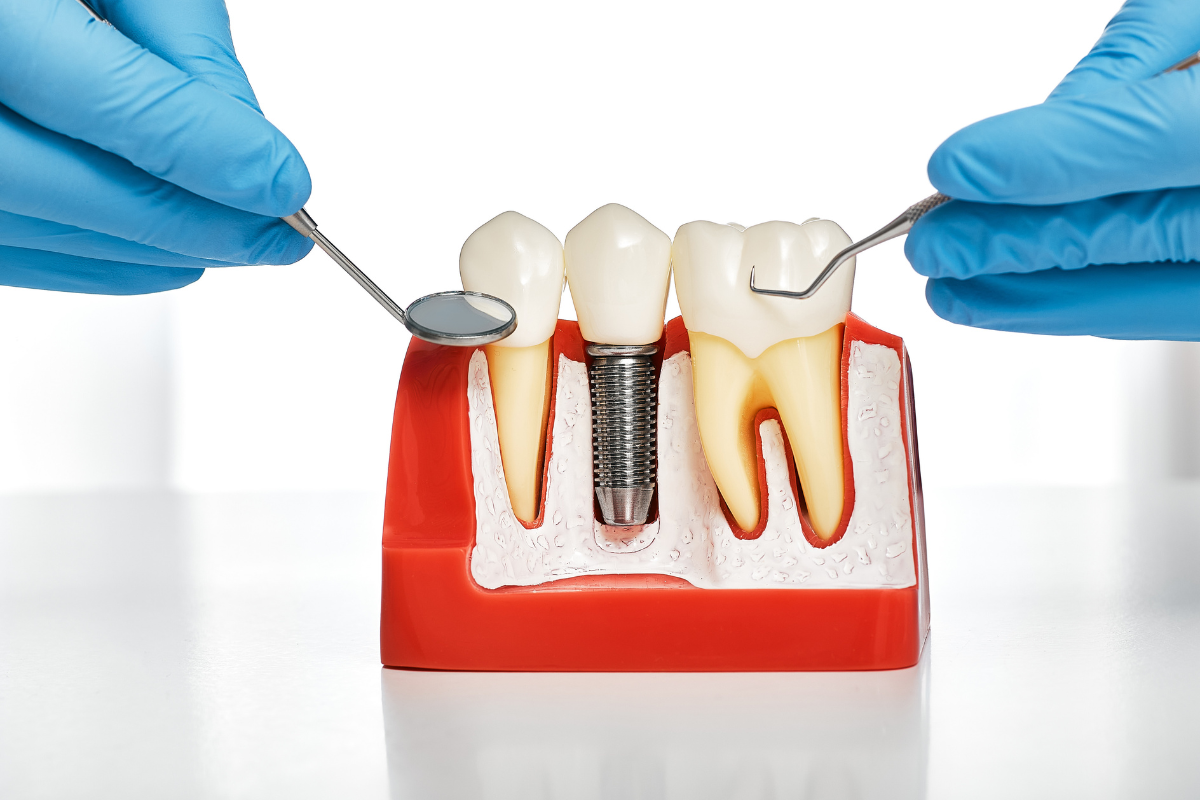
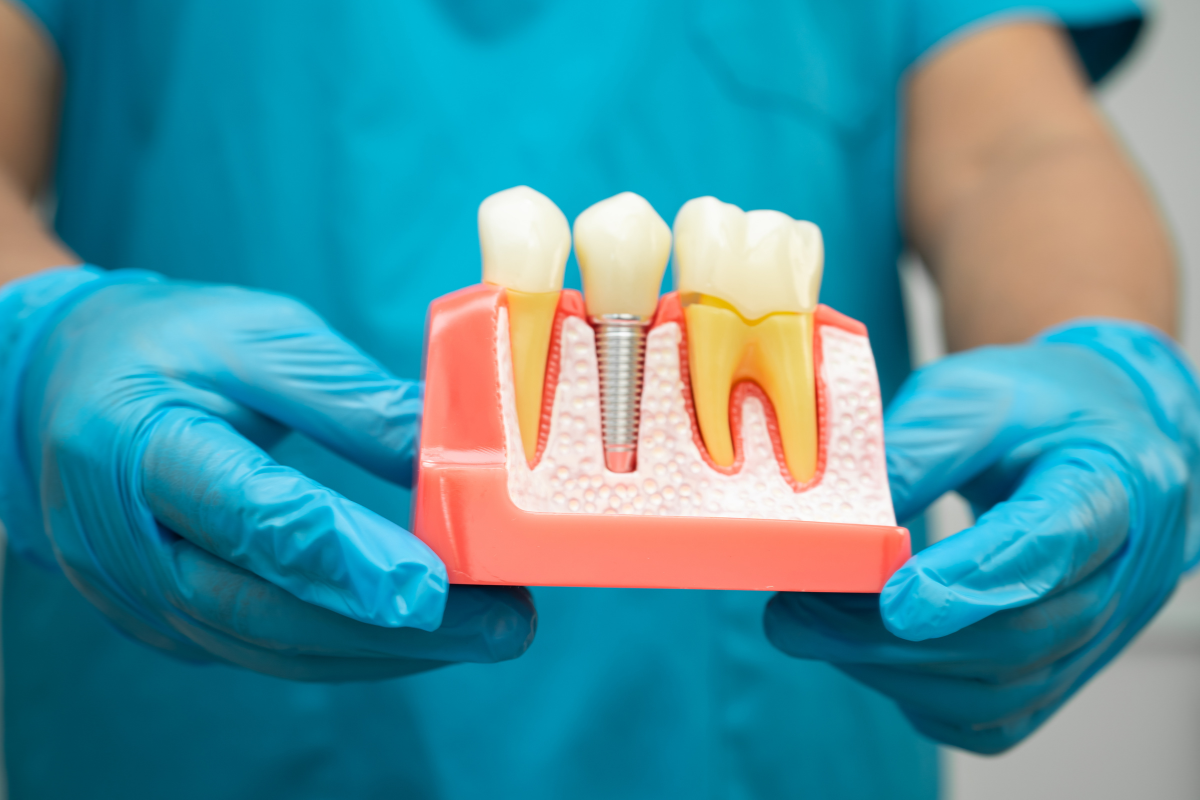
A small titanium post is placed into the jawbone. This acts as an artificial tooth root. The procedure is done with local anesthesia, and most patients describe the discomfort afterward as similar to a tooth extraction — manageable and short-lived.
Step 4: Healing and Osseointegration
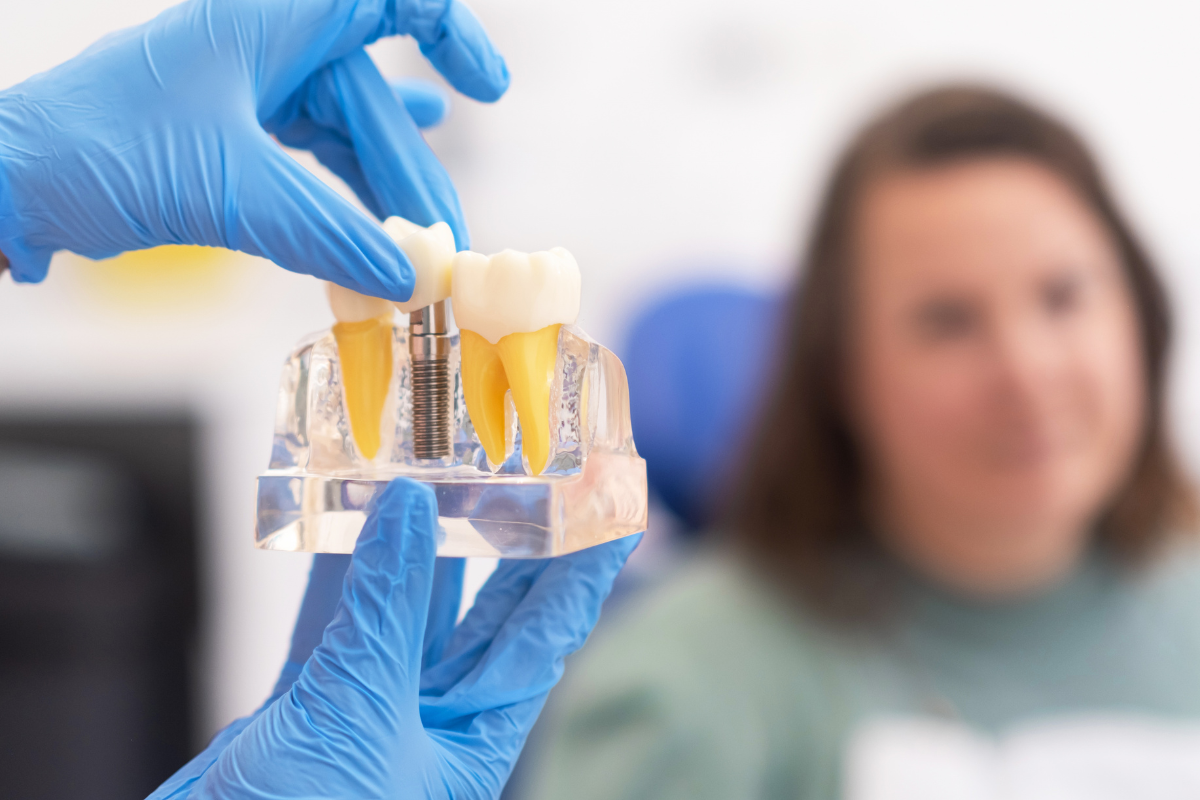
This is the part people often don’t expect: the bone needs time to fuse around the implant. This healing phase, called osseointegration, typically takes a few months. It’s what makes the final result so stable and long-lasting.
Step 5: Abutment Placement
Once healing is complete, a small connector piece (the abutment) is attached to the implant. This is what will hold your new tooth in place.
Step 6: The Final Restoration
A custom-made crown, designed to match the color, size, and shape of your natural teeth, is attached. At this point, most patients say they forget which tooth was even missing.
Local Authority: Why Community Matters in Implant Dentistry
Choosing where to get dental implants in Mcmurray isn’t just about the procedure — it’s about who’s guiding you through it.
McMurray Family Dental has spent years building relationships with patients throughout McMurray, Peters Township, Canonsburg, and the surrounding communities. That means your care doesn’t end at the procedure. It includes follow-up visits, honest communication, and a team that already knows your smile history.
Local, ongoing care matters because implant success depends on more than the surgery itself — it depends on proper healing, monitoring, and long-term maintenance.
Your Next Step: Stop Avoiding the Mirror
You don’t have to keep working around a missing tooth. A short, no-pressure consultation can tell you exactly where you stand and what your options look like.
Book your consultation with McMurray Family Dental today and take the first real step toward eating, speaking, and smiling without hesitation again. The sooner you start, the sooner you stop thinking about it.
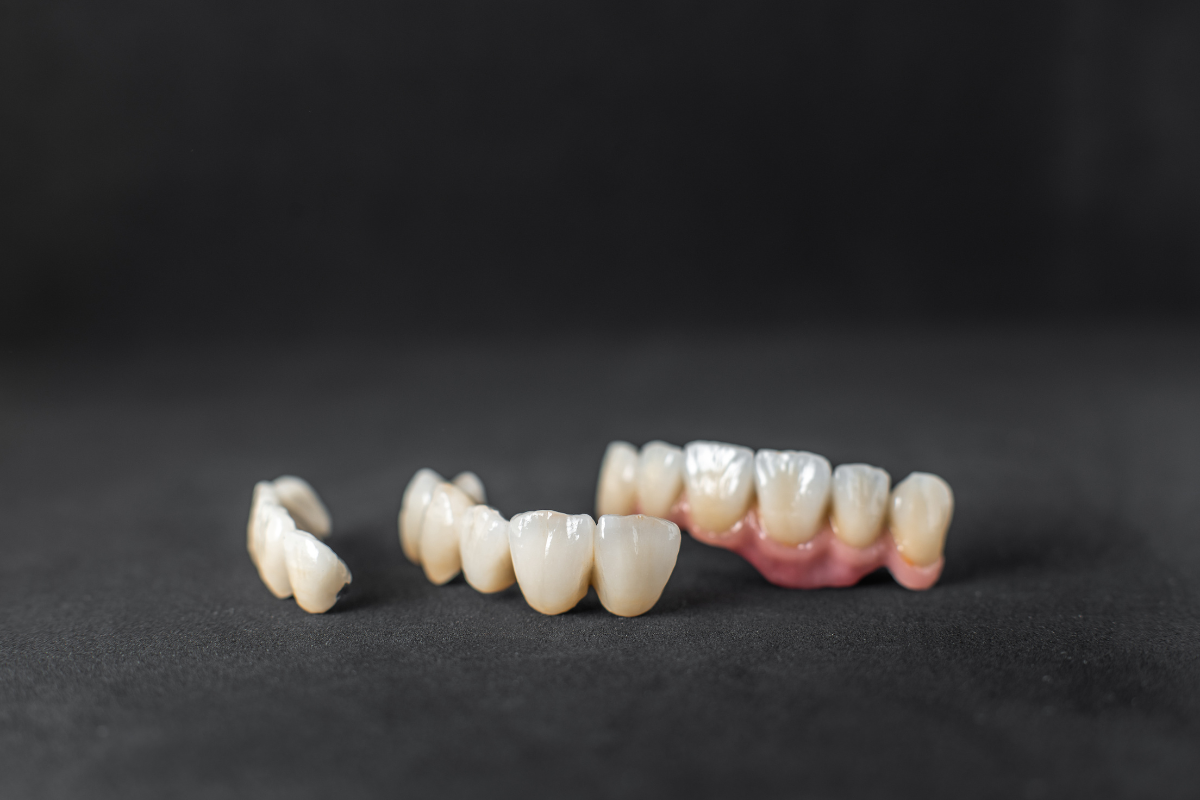
If you’re also exploring other tooth-replacement options, our team can walk you through how dental implants compare to bridges or dentures so you can make the decision that fits your life.
Frequently Asked Questions
- How painful is the dental implant process?
Most patients report mild discomfort, similar to a tooth extraction. Local anesthesia is used during the procedure, and any soreness afterward is typically manageable with over-the-counter pain relief. - How long does the entire dental implant process take?
From consultation to final crown, the process usually takes a few months, mainly due to the healing and bone-fusion phase. Timelines vary based on individual bone health. - Am I too old to get dental implants?
Age alone rarely disqualifies someone. What matters most is overall gum and bone health, which your dentist will evaluate during your consultation. - What happens if I don’t have enough jawbone for an implant?
A bone graft can often rebuild the area over time, making implant placement possible later. This is discussed during your treatment planning. - How long do dental implants actually last?
With proper care, implants can last decades — often a lifetime. Regular checkups and good oral hygiene play a major role in longevity. - Is there a difference between one implant and full-mouth implants?
Yes. Single-tooth implants replace one missing tooth, while full-mouth options are designed for patients missing most or all of their teeth. Your treatment plan will reflect your specific needs. - Can I eat normally after getting dental implants?
Once fully healed, most patients eat normally without restriction. During healing, a softer diet is recommended to protect the implant site. - How do I know if I’m a candidate for dental implants?
The best way to find out is a consultation involving imaging and a review of your gum and bone health. This gives you a clear, personalized answer instead of guesswork.
Medical Disclaimer – This blog is for general educational purposes only and is not a substitute for professional dental advice, diagnosis, or treatment. Always consult a licensed dentist regarding your specific oral health needs before making treatment decisions.