2001 Waterdam Plaza Drive, Suite 203, McMurray, PA 15317


Immediate Implant Placement: Pros, Risks, and Protocols
Losing a tooth can be stressful. Whether it happens because of severe decay, an injury, or advanced gum disease, many people worry about living with a noticeable gap while waiting months for a replacement. Fortunately, advances in modern dentistry have made it possible for some patients to receive an implant immediately after a tooth is removed.
If you’re exploring dental implants in McMurray, you may have heard about immediate implant placement. While this approach offers several benefits, it isn’t the right solution for everyone. Understanding how the procedure works, who qualifies, and what factors influence long-term success can help you make an informed decision.
At McMurray Family Dental, every implant treatment begins with a comprehensive evaluation to determine the safest and most predictable option for your individual oral health needs.
Why Tooth Replacement Shouldn’t Be Delayed
A missing tooth affects much more than your smile.
Without a tooth in place, neighboring teeth may begin shifting into the empty space. Over time, this can affect your bite, chewing ability, speech, and overall oral health. In addition, the jawbone beneath the missing tooth gradually loses stimulation, which may lead to bone loss.
Replacing a missing tooth promptly helps preserve your smile and supports long-term oral function.
What Is Immediate Implant Placement?
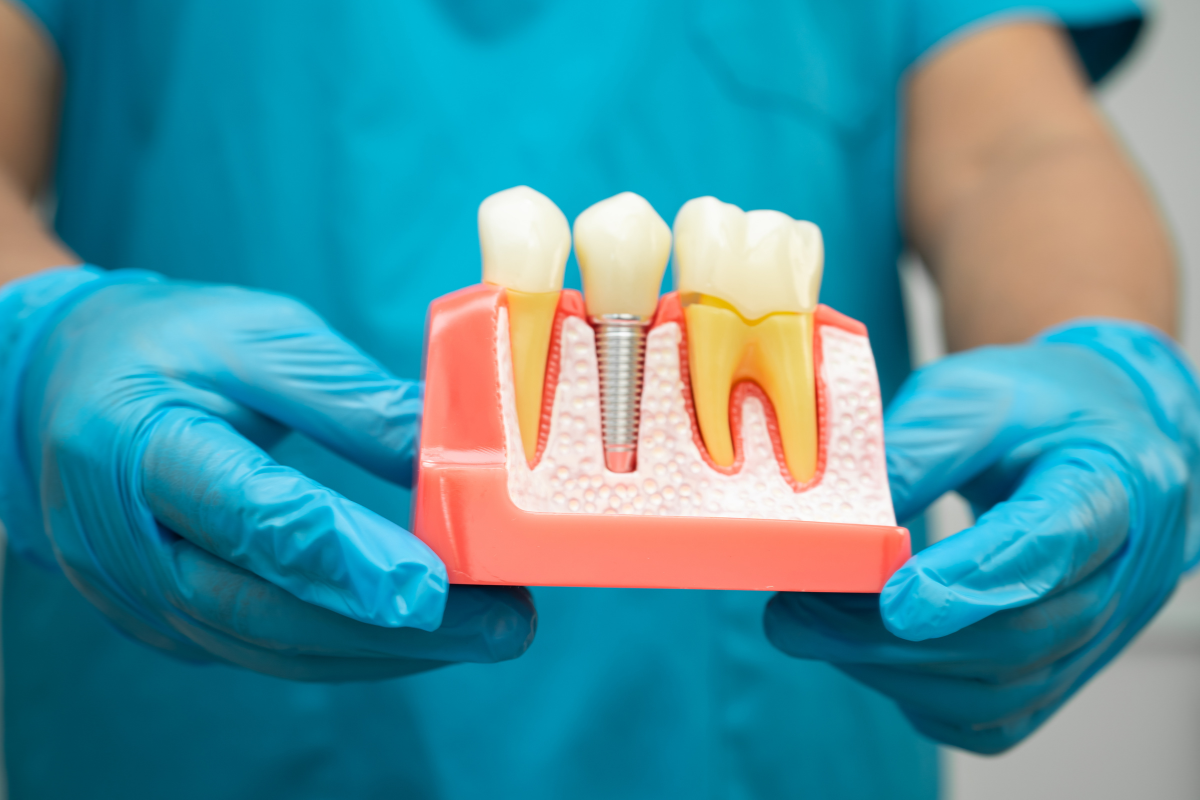
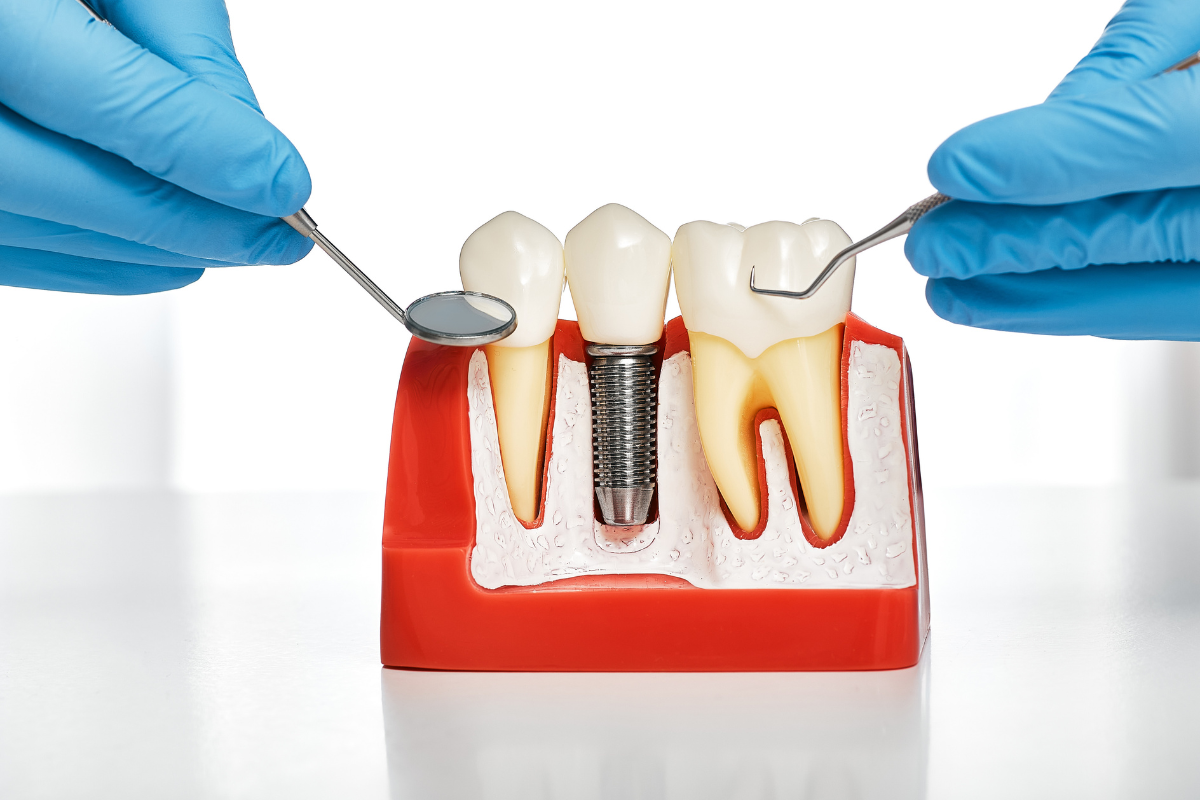
Immediate implant placement is a procedure in which a dental implant is placed into the jawbone during the same appointment as a tooth extraction, when clinical conditions are appropriate.
Unlike traditional treatment, which often requires several months of healing before implant placement, this technique can reduce the number of surgical procedures and shorten the overall treatment timeline.
However, “immediate placement” does not always mean the final crown is attached on the same day. Many patients still require a healing period before the permanent restoration is placed.
Why Patients Consider Immediate Implant Placement
For the right candidate, immediate implant placement offers several potential advantages.
Fewer Surgical Procedures
Combining tooth extraction and implant placement into one procedure may reduce the total number of surgical appointments.
Shorter Overall Treatment Timeline
Because implant placement occurs immediately after extraction, patients may reach their final restoration sooner than with conventional treatment.
Better Preservation of Bone
Placing an implant shortly after extraction may help preserve the surrounding jawbone and maintain the natural contours of the gums.
Improved Smile Appearance
Immediate implant placement can reduce the amount of time a visible gap remains, especially when replacing front teeth.
Greater Convenience
Many patients appreciate completing multiple treatment steps during a single surgical visit whenever clinically appropriate.
Not Every Patient Is a Candidate
Although immediate implant placement offers important advantages, careful case selection is essential.
You may be a candidate if you have:
- Good overall oral health
- Healthy gums
- Sufficient jawbone support
- No active infection around the extraction site
- Good oral hygiene habits
- Adequate bone quality to stabilize the implant
Patients with significant bone loss, uncontrolled periodontal disease, heavy smoking habits, or certain medical conditions may require additional treatment before implant placement.
A comprehensive examination helps determine the safest treatment approach.
Understanding the Potential Risks
Like any surgical procedure, immediate implant placement carries certain risks.
Possible considerations include:
Insufficient Primary Stability
The implant must be securely stabilized within the bone at the time of placement. If adequate stability cannot be achieved, delayed placement may be recommended instead.
Infection
Existing infection around the extraction site may increase the risk of complications if not properly managed.
Bone Loss
Some patients naturally experience changes in the surrounding bone after tooth extraction, even when an implant is placed immediately.
Soft Tissue Changes
The gums surrounding the implant continue healing after surgery, making careful treatment planning especially important for teeth visible when smiling.
Healing Complications
Healing varies from person to person. Following post-operative instructions is essential for long-term implant success.
The Clinical Protocol Behind Successful Immediate Implant Placement
Successful implant treatment depends on careful planning—not simply placing an implant quickly.
At every stage, your dentist evaluates factors that support predictable healing.
The process typically includes:
Comprehensive Examination
Your dentist reviews your medical history, oral health, bite, and treatment goals.
Digital Imaging
Advanced diagnostic imaging helps evaluate bone quality, anatomical structures, and ideal implant positioning.
Careful Tooth Extraction
Whenever possible, the tooth is removed using techniques designed to preserve surrounding bone and gum tissue.
Implant Placement
The implant is precisely positioned within the jawbone for optimal stability.
Bone Grafting When Needed
In some situations, bone grafting material may be placed around the implant to support healing and maintain bone volume.
Healing Phase
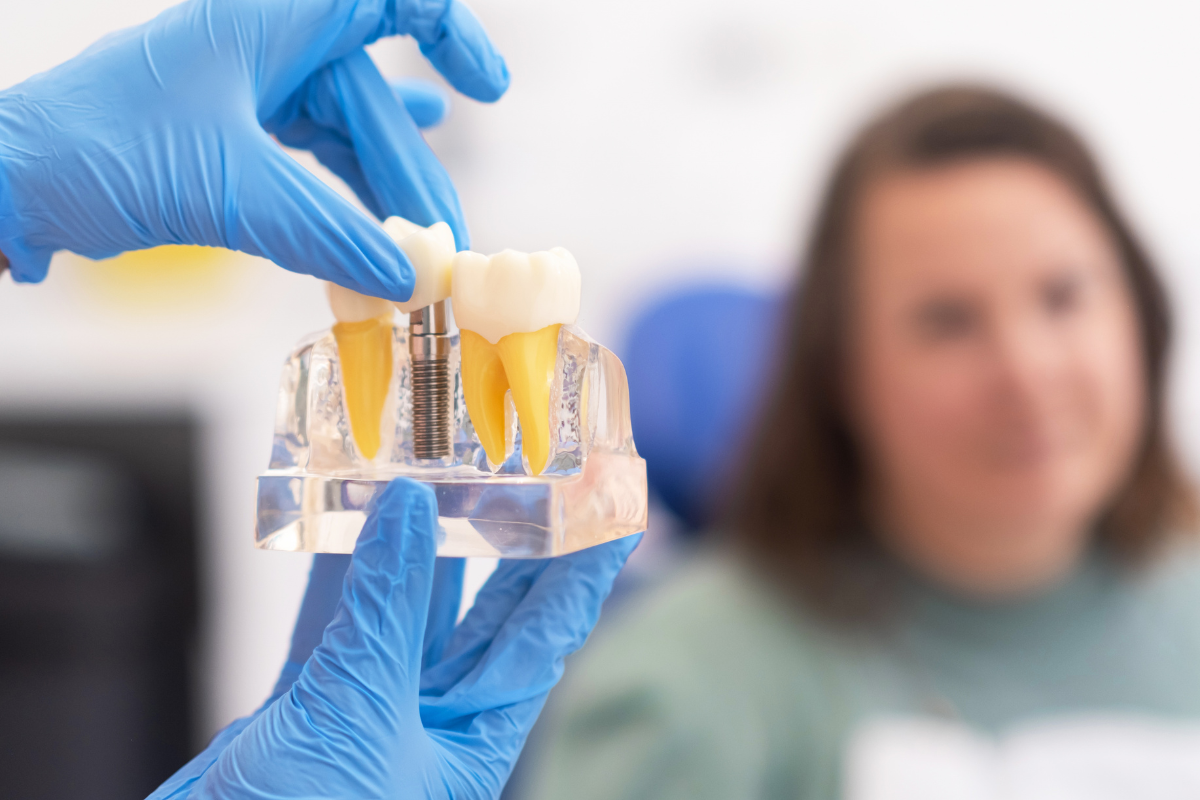
Over the following months, the implant gradually integrates with the surrounding jawbone through a natural process called osseointegration.
Final Restoration
Once healing is complete, a custom dental crown is attached to restore appearance and function.
Personalized Implant Care Focused on Long-Term Success
Patients considering dental implants in McMurray deserve treatment recommendations based on careful diagnosis rather than convenience alone.
At McMurray Family Dental, every implant consultation includes a thorough evaluation of bone health, gum condition, medical history, and restorative goals. This individualized approach helps determine whether immediate implant placement offers the safest and most predictable outcome.
The practice proudly serves patients throughout McMurray and nearby communities, providing comprehensive tooth replacement solutions designed to restore both oral function and confidence.
Is Immediate Implant Placement Right for You?
The answer depends on your unique situation.
Some patients benefit significantly from immediate placement, while others achieve better long-term outcomes by allowing additional healing before implant surgery.
The best treatment plan is the one that supports lasting health—not simply the fastest timeline.
A personalized consultation allows your dentist to explain every available option and recommend the approach that best fits your needs.
Restore Your Smile with Confidence
Replacing a missing tooth doesn’t always have to involve multiple surgeries or extended delays. For qualifying patients, immediate implant placement may provide a streamlined path toward a healthy, complete smile.
If you’re considering dental implants in McMurray, schedule a consultation with McMurray Family Dental. A comprehensive implant evaluation can help determine whether immediate implant placement is the right solution for your smile, oral health, and long-term goals.
Frequently Asked Questions
What is immediate implant placement?
Immediate implant placement involves placing a dental implant during the same appointment as a tooth extraction, provided sufficient bone support and healthy conditions are present.
Does immediate implant placement mean I receive my permanent tooth the same day?
Not necessarily. While the implant may be placed immediately, the permanent crown is often attached after the implant has fully integrated with the jawbone.
Is immediate implant placement safe?
For carefully selected patients, immediate implant placement has demonstrated predictable success when performed following proper clinical protocols and after thorough evaluation.
Who is a good candidate for immediate dental implants?
Candidates generally have healthy gums, sufficient bone volume, good overall health, and no uncontrolled infection at the extraction site.
Will I need bone grafting with immediate implant placement?
Some patients benefit from bone grafting to help support healing and maintain the natural contours of the surrounding bone and gum tissue.
How long does implant healing take?
Although healing varies, osseointegration typically takes several months before the final restoration can be placed.
Are immediate dental implants painful?
Most patients experience manageable discomfort after the procedure, which can usually be controlled with recommended medications and post-operative care.
How successful are immediate dental implants?
Success depends on many factors, including patient health, bone quality, oral hygiene, and careful treatment planning. Following your dentist’s instructions is important for long-term results.
Rebuild Your Smile with a Personalized Treatment Plan
Every missing tooth presents a unique opportunity to restore both function and confidence. Whether immediate implant placement is appropriate for your situation depends on careful planning, comprehensive diagnostics, and your long-term oral health goals.
Schedule a consultation with McMurray Family Dental to learn more about your tooth replacement options. A personalized evaluation can help you choose the treatment approach that supports a healthy, lasting smile.
Medical Disclaimer – This article is intended for educational purposes only and should not be considered dental or medical advice. Every patient has unique oral health needs, bone conditions, and healing patterns. A comprehensive evaluation by a dental professional is necessary to determine whether immediate implant placement or another treatment option is appropriate for your individual situation.