2001 Waterdam Plaza Drive, Suite 203, McMurray, PA 15317



Can Dental Implants Get Cavities?
If you have dental implants or are considering getting them, it’s natural to wonder whether they’re at risk of cavities. After all, they look and function like real teeth.
The simple answer is: No, dental implants cannot get cavities. However, that doesn’t mean they’re maintenance-free. While the implant itself won’t decay, the surrounding gums and bone can still be affected by infection or inflammation.
Why Implants Don’t Get Cavities
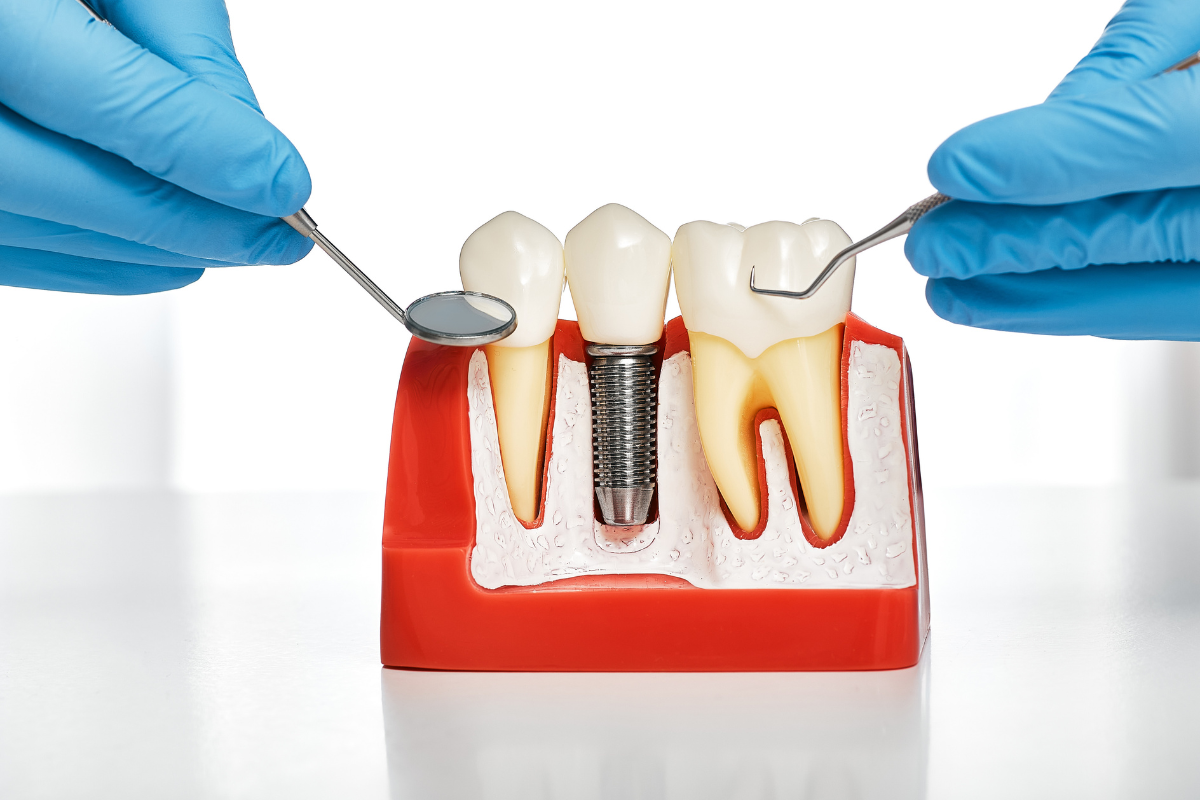
Cavities occur when bacteria on your teeth break down sugars and produce acid that damages enamel. Since dental implants are made from materials like titanium and ceramic—and have no enamel—they aren’t vulnerable to this type of decay.
But here’s the catch: the tissue around your implants is still at risk. Without proper oral care, you may develop gum infections or other issues that can impact the success of your implant.
What to Watch Out For
While the implant itself doesn’t decay, plaque buildup around the implant site can still cause serious problems. The most common concern is peri-implantitis, an inflammatory condition that affects the gums and bone supporting the implant.
Warning signs include:
- Bleeding or swollen gums
- Persistent bad breath
- Discomfort or pain near the implant
- Looseness in the implant
If these symptoms are ignored, they can lead to bone loss and even implant failure.
How to Care for Dental Implants
Good hygiene is essential for long-lasting results. Follow these steps to protect your dental implants:
- Brush your teeth twice a day with a soft-bristled toothbrush.
- Floss daily around the implant to remove trapped food and bacteria.
- Use a non-abrasive toothpaste to avoid damaging the surface.
- Consider using a water flosser for more effective cleaning.
- Visit McMurray Family Dental for regular dental checkups and cleanings.
What Is Peri-Implantitis?
Peri-implantitis is similar to gum disease but occurs around a dental implant. It starts as inflammation of the gum (mucositis) and, if left untreated, can progress to affect the bone structure.
This condition develops from poor hygiene, plaque buildup, or other underlying issues. Smokers, people with uncontrolled diabetes, and those who skip dental visits are at higher risk.
Early detection and treatment are key. If you notice unusual changes around your dental implants in McMurray, don’t wait—get it checked out promptly.
Ready to Protect Your Implants?
Dental implants are a lasting solution, but like natural teeth, they still require consistent care to stay in good condition. Regular dental visits, proper hygiene, and early attention to any changes can make all the difference in protecting your investment.
If you have questions about implant care or think something doesn’t feel quite right, schedule a consultation with McMurray Family Dental. We’re here to help you keep your smile healthy and strong for years to come with your dental implants in McMurray.
How long do dental implants last?
Dental implants can last 15 years or more, and with excellent care, they may even last a lifetime.
Can I use regular toothpaste on my implants?
Yes, but choose a non-abrasive option to avoid scratching the crown or irritating your gums.
Do implants need special cleaning?
While you can clean implants like natural teeth, regular dental visits and possibly more frequent professional cleanings are important to keep the surrounding tissue healthy.