2001 Waterdam Plaza Drive, Suite 203, McMurray, PA 15317


Are Dental Implants the Best Way to Restore Missing Teeth?
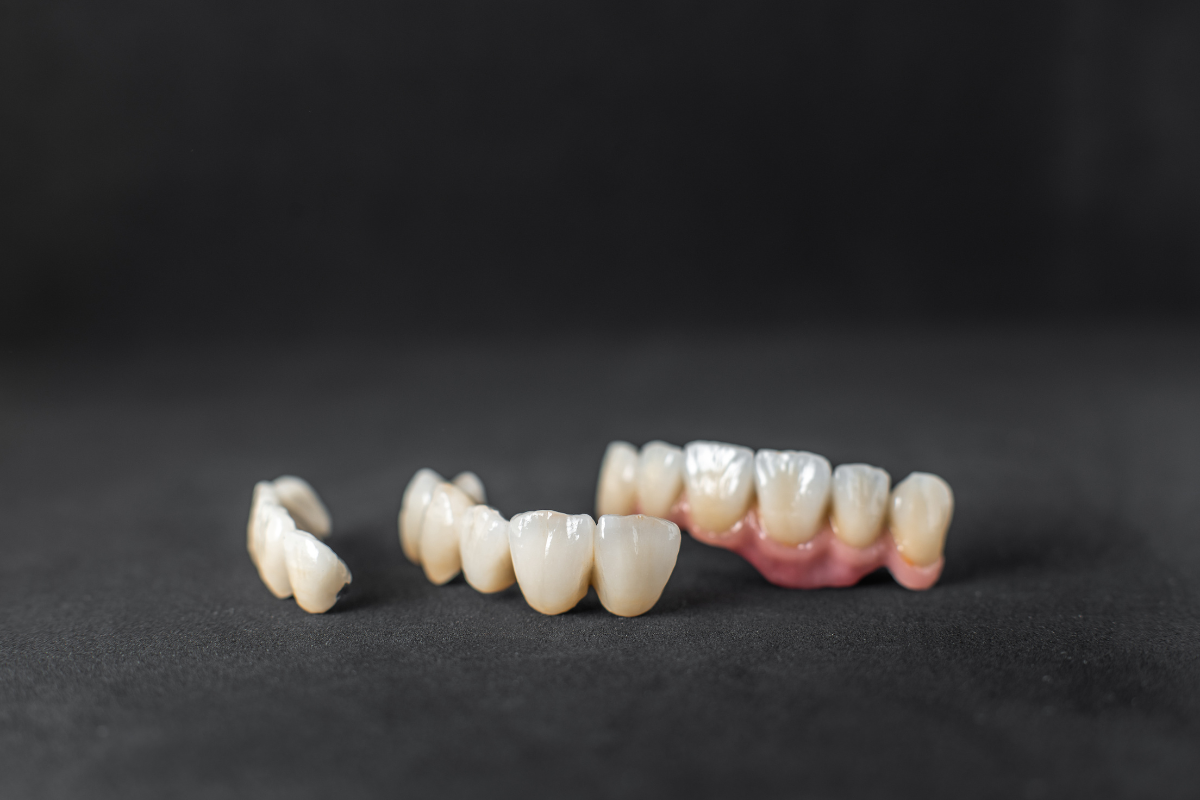
If you’re missing one or more teeth, the impact can go far beyond aesthetics. Chewing becomes harder, your bite may shift, and bone loss in the jaw is a very real concern. At McMurray Family Dental, many of our patients ask: “Are dental implants the best way to restore missing teeth?” The answer depends on your health, goals, and preferences, but for many, implants offer a long-lasting, natural-looking solution.
Let’s take a deeper look at what dental implants offer, how they compare to other options, and what you should consider if you’re exploring dental implants in McMurray.
What Are Dental Implants?
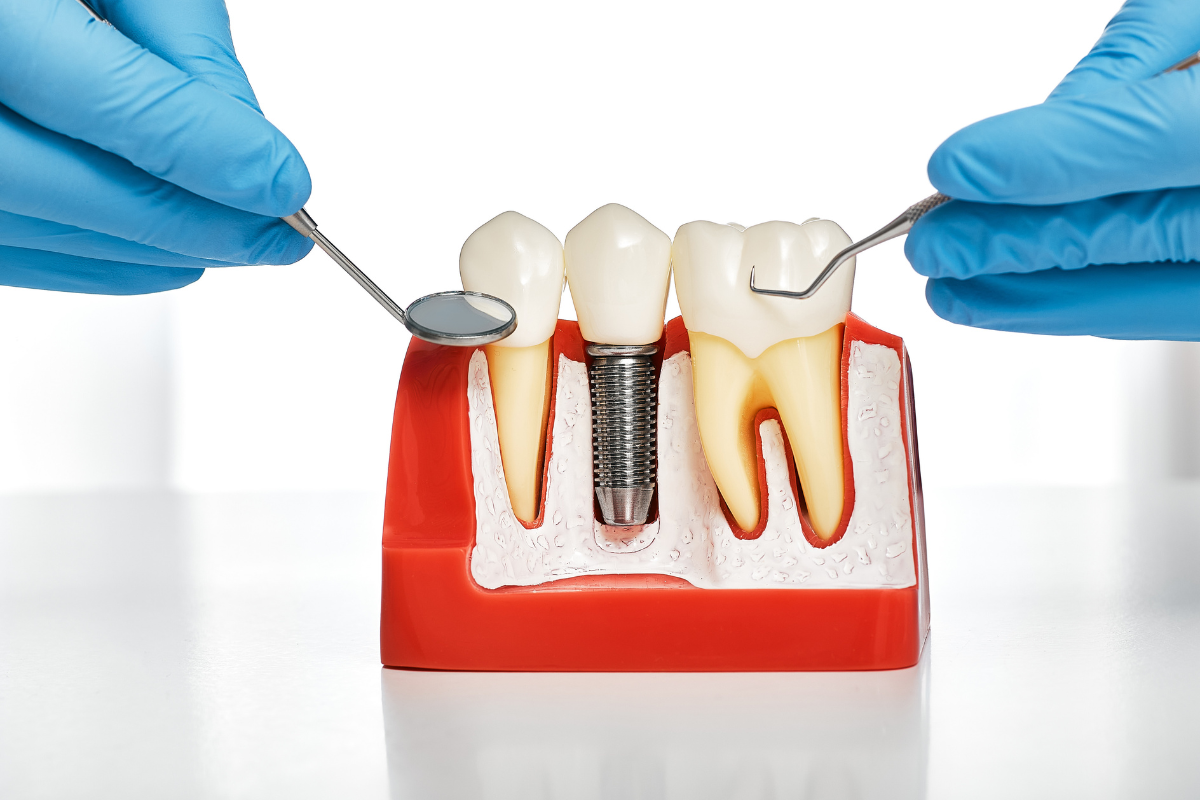
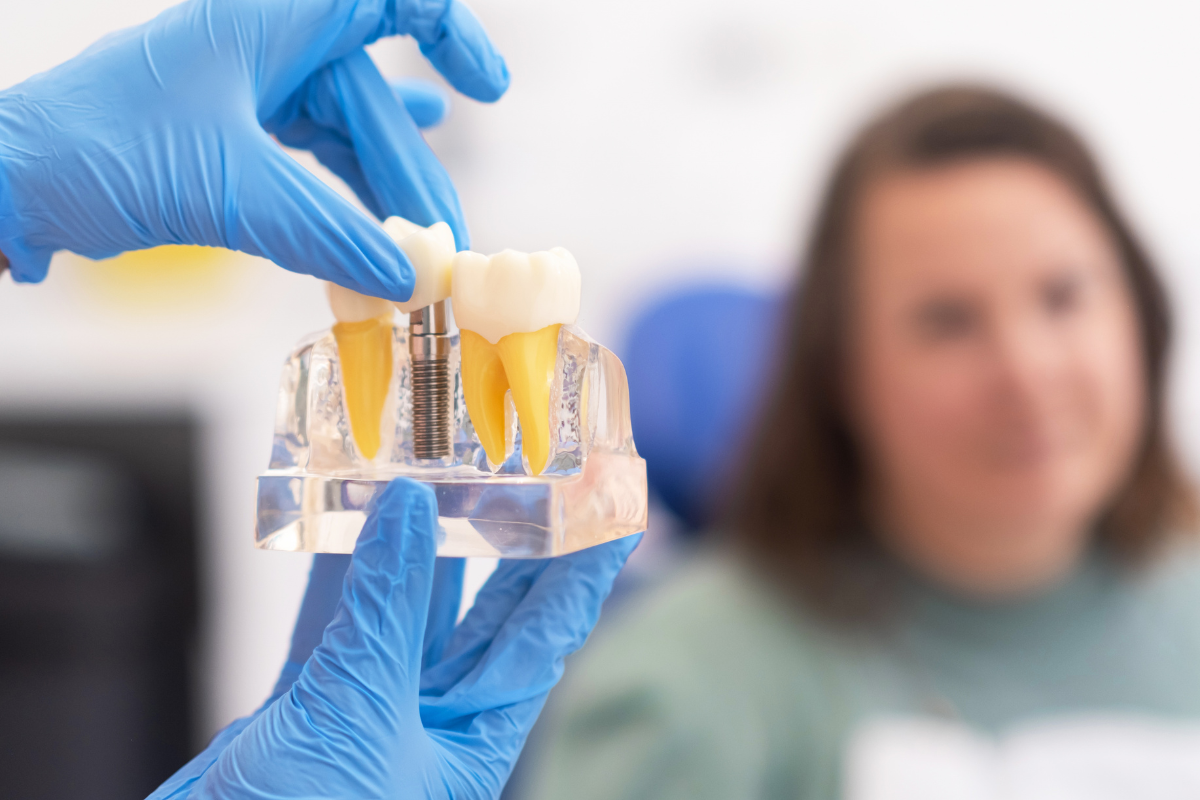
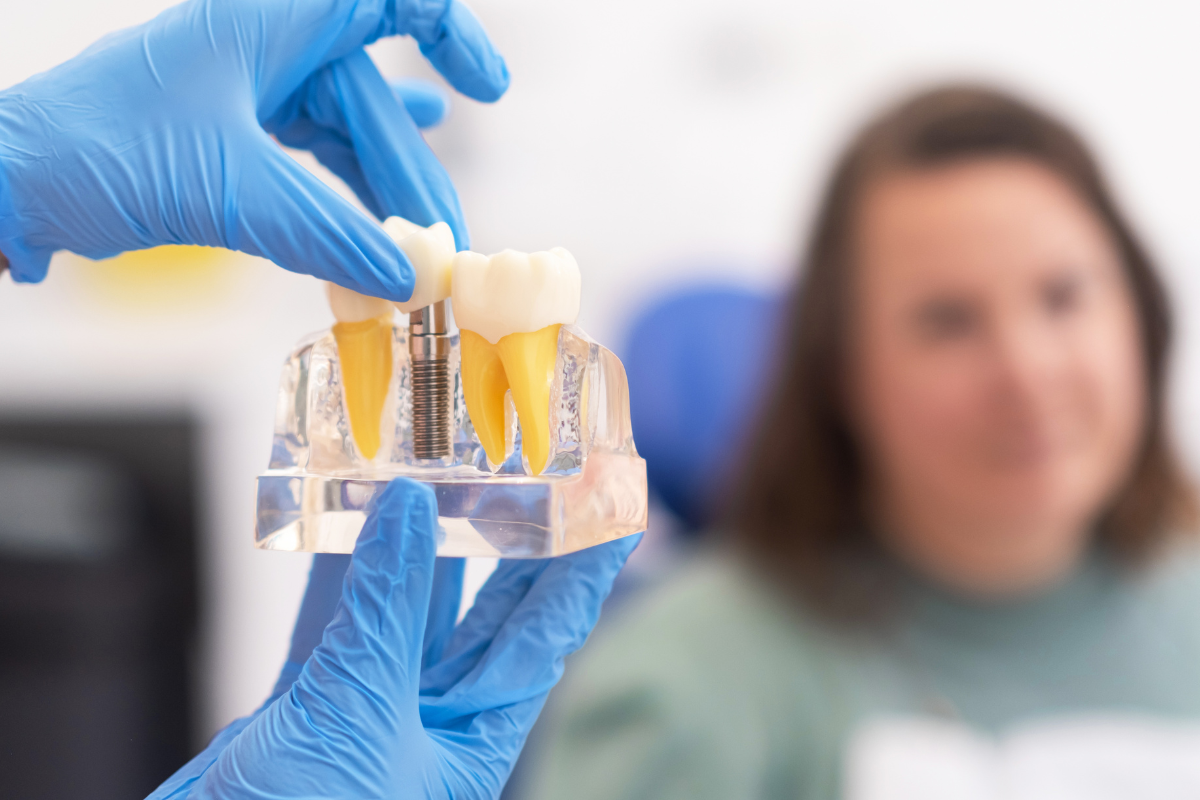
Dental implants are small titanium posts placed into your jawbone to replace missing tooth roots. Once healed, they support crowns, bridges, or even full dentures. Because they are integrated into your bones, they feel and function like real teeth.
Dental implants provide the closest experience to real teeth in terms of feel, function, and long-term oral health.
Benefits of Dental Implants
- Natural Look and Feel: Implants look just like natural teeth—and because they’re rooted in your jaw, they stay put when eating, speaking, or smiling.
- Long-Term Solution: While bridges and dentures may need to be replaced over time, implants can last decades with proper care.
- Bone Health Support: When a tooth is lost, the jawbone begins to shrink. Implants stimulate the bone, helping maintain your facial structure and jaw strength.
- No Impact on Neighboring Teeth: Bridges require shaving down adjacent teeth for support. Implants are independent and do not affect surrounding tooth structures.
- Better Bite Force: Dentures may reduce chewing power, but implants restore nearly full bite strength—meaning you can enjoy your favorite foods without hesitation.
Who Is a Good Candidate?
Most adults in good health are eligible for implants, especially if they have:
- Healthy gums
- Adequate jawbone density
- No ongoing smoking or uncontrolled diabetes
- Commitment to oral hygiene and regular dental visits
At McMurray Family Dental, we evaluate every patient carefully and help create a personalized plan that works for your lifestyle and needs.
What’s the Process Like?
The dental implant process usually includes the following:
- Consultation & Imaging: We assess your mouth, take 3D scans, and ensure your jawbone can support an implant.
- Implant Placement: A small titanium post is inserted into the jawbone. Over the next few months, it fuses with the bone.
- Abutment & Crown Placement: Once healed, a connector (abutment) is placed, followed by a custom-made crown that looks and functions like your original tooth.
Common Concerns About Dental Implants
❌”Do they hurt?” Mild discomfort is normal, but most patients say implant placement is less painful than a tooth extraction.
❌”What if I’ve been missing teeth for years?” You may need a bone graft first, but dental implants in McMurray are often still possible. We’ll let you know during your exam.
Why Consider McMurray Family Dental?
If you’re considering dental implants in McMurray, our dental team provides thoughtful, comprehensive care—every step of the way. From detailed diagnostics to post-op care, we’re committed to helping you restore both your smile and your confidence.
We use advanced tools, ensure precise placement, and tailor treatment to your individual goals. We’ll also walk you through options for financing and maximizing insurance benefits.
Ready to Restore Your Smile?
If you’re tired of dealing with missing teeth or loose dentures, dental implants in McMurray might be the right path for you. Contact McMurray Family Dental today to schedule a consultation. Let’s discuss your options and help you smile with confidence again.
How long do dental implants last?
With regular dental checkups and good home care, implants can last 15–25 years or more.
Are implants safe for older adults?
Yes. Age isn’t a barrier—health is. Many patients in their 60s, 70s, or even 80s have successful implant outcomes.
Can I get implants if I have bone loss?
Possibly. Bone grafting or sinus lifts can rebuild the area, making implants a safe option even after significant bone loss.