2001 Waterdam Plaza Drive, Suite 203, McMurray, PA 15317


Do Dental Crowns Hurt? What to Expect During the Procedure
Accidents, decay, or worn teeth can impact both the function and appearance of your smile. If your dentist has recommended a crown, it’s normal to feel a bit anxious—especially when thinking about discomfort. The good news is that modern dentistry makes the process comfortable and predictable. If you’re considering dental crowns, Mc Murray, understanding the procedure can help ease your concerns and prepare you for a smooth experience.
Understanding Dental Crowns and Their Purpose
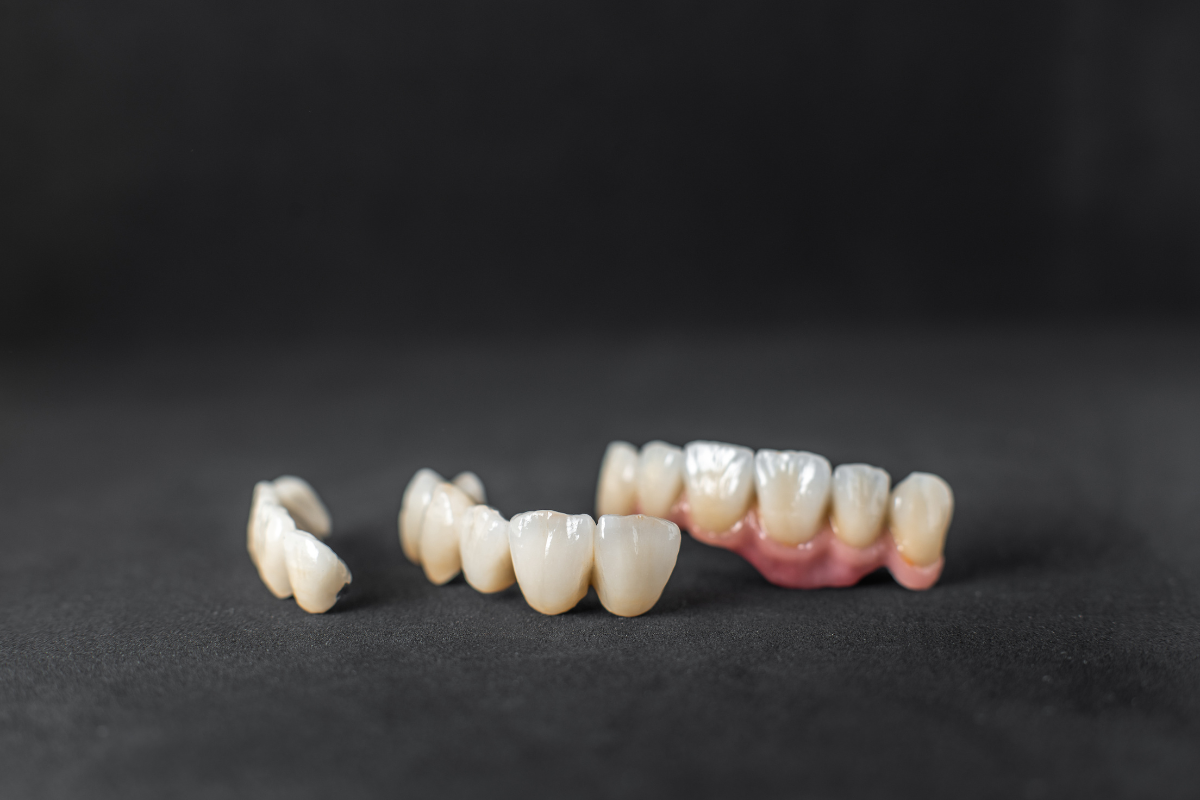
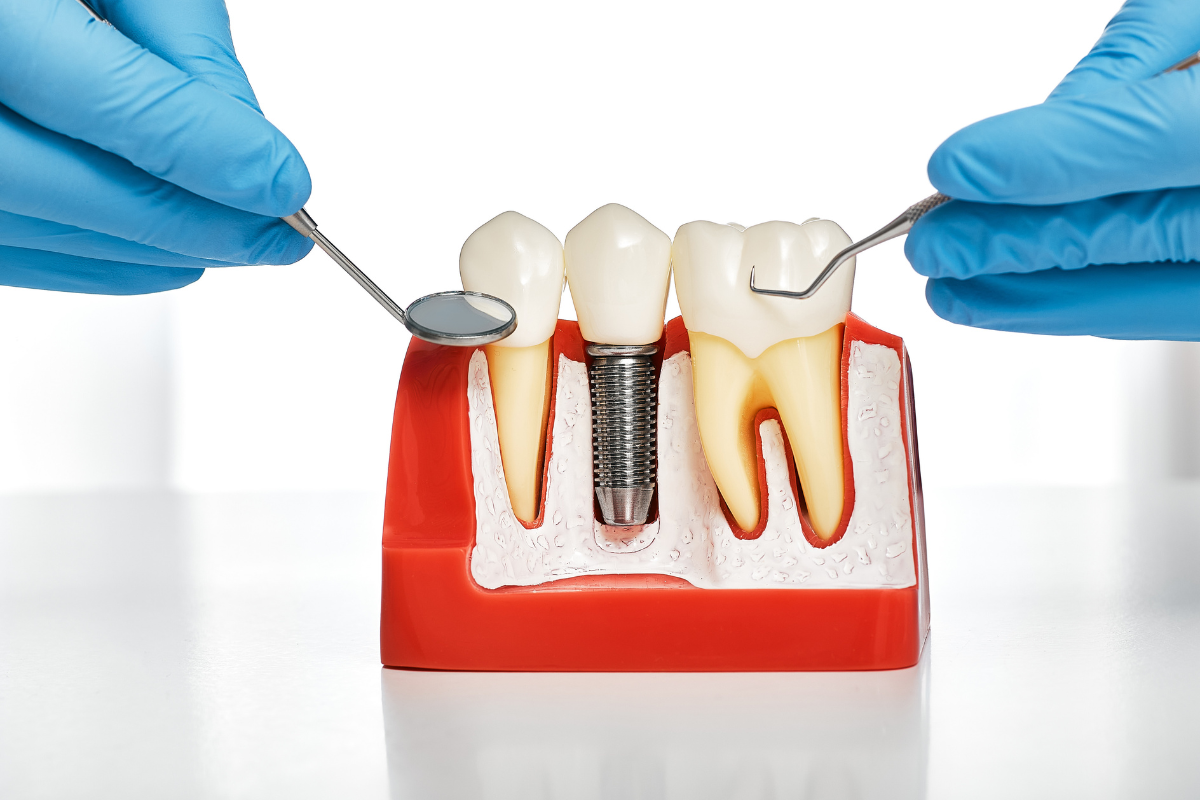
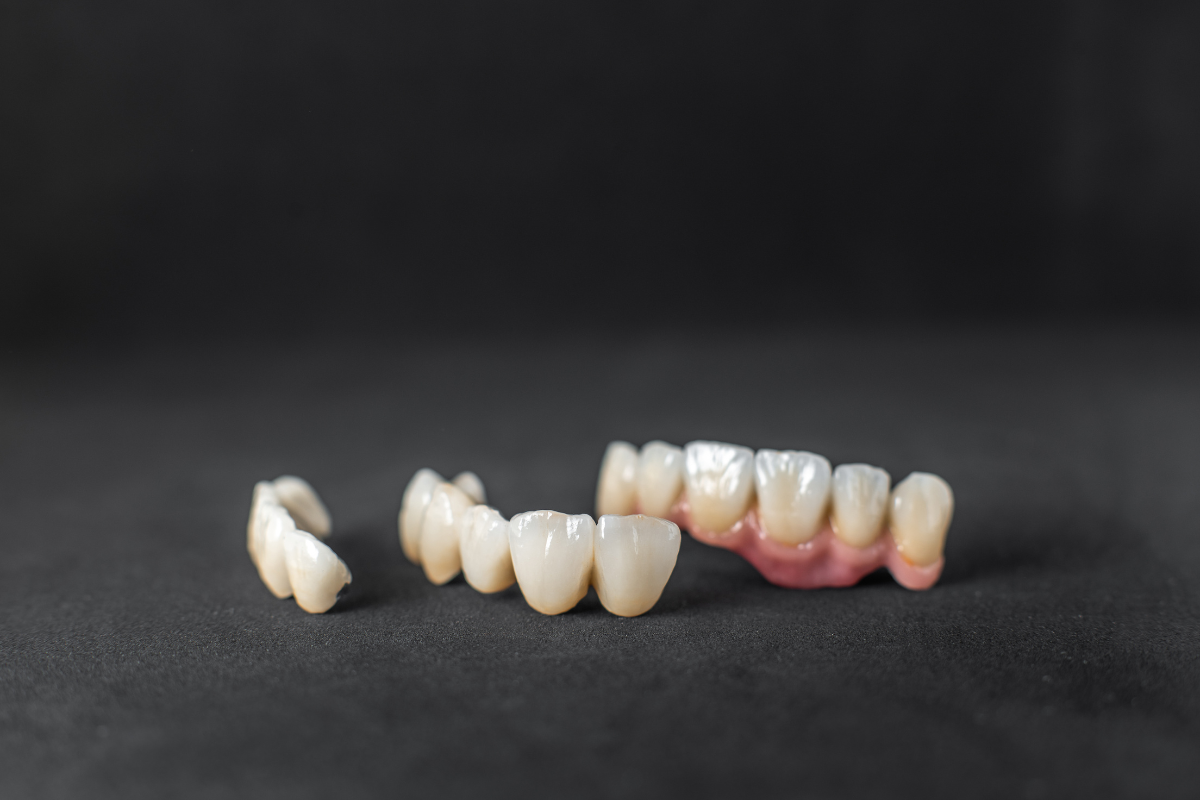
Dental crowns are custom-made caps placed over damaged or weakened teeth to restore their shape, strength, and appearance. They protect the natural tooth underneath while improving both function and aesthetics. Crowns can be made from porcelain, ceramic, metal, or a combination of materials, depending on your needs.
At McMurray Family Dental, patients often ask if dental crowns hurt. In most cases, the procedure is virtually painless thanks to local anesthesia and advanced techniques. While mild sensitivity may occur afterward, it is temporary and manageable.
What to Expect During the Crown Procedure
Examination and Preparation
Your dentist will examine your tooth and may take X-rays to assess any underlying issues. If needed, additional treatments like a root canal are completed first. The area is then numbed to ensure you remain comfortable throughout the procedure.
Tooth Shaping
The affected tooth is gently reshaped to make room for the crown. Because of anesthesia, you won’t feel pain—only slight pressure.
Impressions and Temporary Crown
Impressions of your tooth are taken to create a custom-fit crown. A temporary crown is placed to protect your tooth while your permanent one is being made.
Crown Placement
During your second visit, the temporary crown is removed and replaced with the permanent one. Your dentist ensures a proper fit and bite before securing it in place.
Does It Hurt After the Procedure?
Once the numbness wears off, you may notice mild sensitivity, especially to hot or cold foods. This is completely normal and usually subsides within a few days. Over-the-counter pain relief can help if needed. Patients receiving dental crowns, Mc Murray typically find recovery quick and comfortable.
Tips for a Smooth Recovery
- Avoid hard or sticky foods for the first 24 hours.
- Brush and floss gently around the treated area
- Use a soft-bristle toothbrush.
- Contact your dentist if discomfort persists.
With proper care, your crown will feel natural and function just like your original tooth.
Restore Your Smile with Confidence
If you’re worried about discomfort, rest assured that dental crowns are a safe and effective solution. At McMurray Family Dental, we focus on patient comfort and long-lasting results. If you’re in McMurray and considering a crown, our team is here to guide you every step of the way. Visit us in McMurray to restore your smile and enjoy improved dental health with confidence.
Frequently Asked Questions
- Are dental crowns painful?
No, the procedure is performed under local anesthesia, so you should not feel pain. Mild sensitivity afterward is temporary. - How long does the process take?
It usually takes two visits—one for preparation and one for placement. - How long do crowns last?
With proper care, crowns can last 10–15 years or longer. - Is sensitivity normal after a crown?
Yes, mild sensitivity is common but should fade within a few days. - Can I eat normally after getting a crown?
Yes, once the crown is fully set and sensitivity subsides, you can eat normally.