2001 Waterdam Plaza Drive, Suite 203, McMurray, PA 15317



Will Teeth Whitening Remove All Stains? What Patients In McMurray Should Know
A bright, radiant smile is often considered one of your best social assets. It conveys confidence, health, and friendliness. However, as time goes by, it’s natural for teeth to lose their luster. Whether it’s that morning cup of coffee from a local McMurray cafe or the inevitable effects of aging, stains happen.
If you’ve been considering teeth whitening in McMurray, you might be wondering: Will it work for me? Can it remove every single stain? The short answer is that while professional whitening is incredibly powerful, its effectiveness depends entirely on the type of stain you have.
Understanding the Anatomy of a Stain
To understand why some whitening treatments work better than others, we first need to look at what is actually happening to your teeth. Your tooth enamel, while the hardest substance in the human body, is actually porous. Over time, microscopic organic compounds from the things we eat and drink lodge themselves within these pores, leading to discoloration. In the dental world, we categorize these discolorations into two primary groups: extrinsic and intrinsic stains.
Extrinsic Stains: The Surface Culprits
Extrinsic stains are the most common type of tooth discoloration. These are located on the outer layer of your tooth—the enamel. Because they are on the surface, they are typically the most responsive to professional whitening treatments.
In a community like McMurray, these often come from our daily habits. Dietary choices are the leading cause; dark-pigmented foods and drinks like coffee, black tea, red wine, and dark berries are notorious for leaving marks. Tobacco use is another major factor, as nicotine and tar create stubborn yellow or brown stains that cling to the enamel. Furthermore, if oral hygiene routines slip, plaque and tartar can build up. Tartar is particularly porous and absorbs stains much faster than clean enamel.
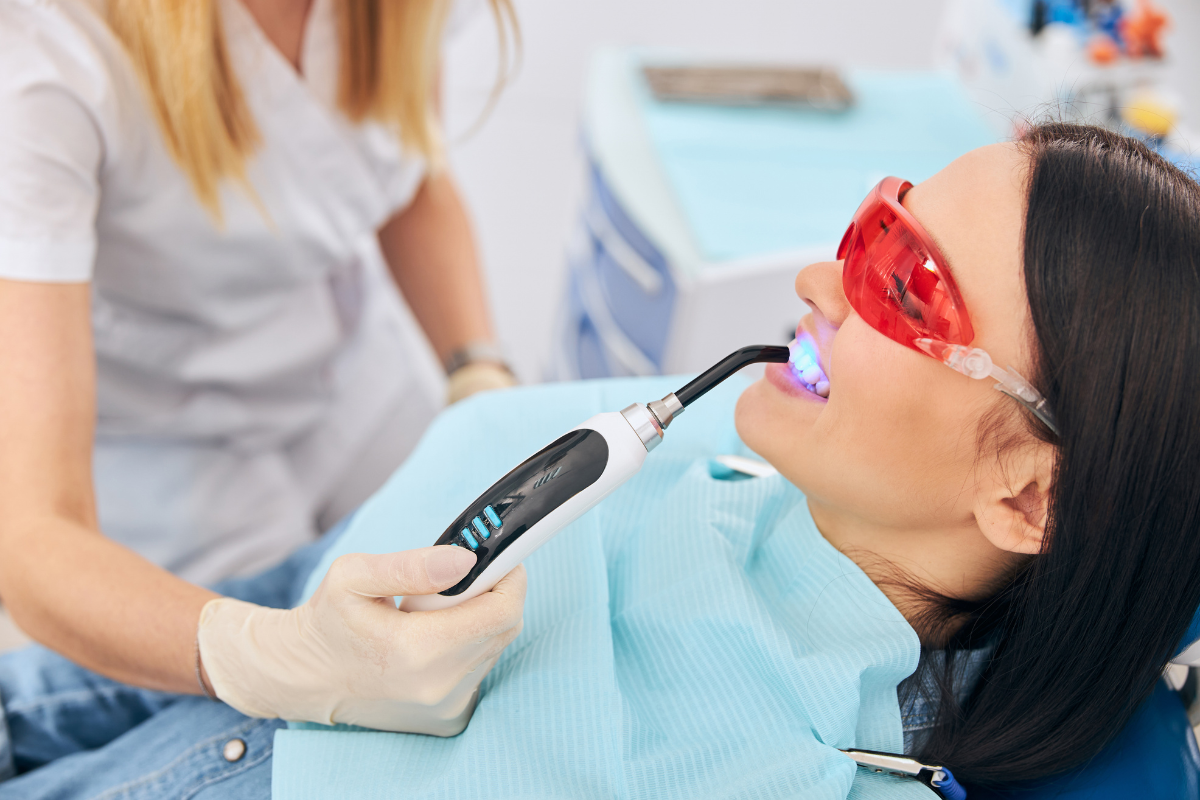
At McMurray Family Dental, our professional-grade whitening agents are designed to penetrate these surface pores. The oxygen molecules from the whitening gel react with the discolored molecules in your teeth, breaking the chemical bonds that hold the stain together. As these bonds break, the stain effectively disappears, leaving behind a much whiter, refreshed surface.
Intrinsic Stains: The Deeper Challenge
Intrinsic stains occur within the inner structure of the tooth, known as the dentin. Because these stains are “inside” the tooth, traditional surface whitening treatments often cannot reach them effectively. These stains may be caused by certain medications taken during tooth development, such as tetracycline, or internal trauma to the tooth. If a tooth is injured, the internal pulp may react, causing the tooth to look dark or gray from the inside out. Additionally, excessive fluoride intake during childhood or the natural thinning of enamel due to aging can make the yellowish dentin more visible.
If you have intrinsic staining, don’t lose hope. While standard bleaching might not provide a 100% fix for internal issues, we offer advanced cosmetic alternatives. Porcelain veneers, for instance, are thin shells that cover the front of the tooth to mask deep stains. Composite bonding is another excellent option where a tooth-colored resin is applied to hide imperfections. In some specific cases, such as a tooth darkened after a root canal, we can even perform internal bleaching.
Why Choose Professional Care Over Store-Bought Kits?
Many patients ask if they should just buy a kit at the local pharmacy. While over-the-counter strips and toothpastes are convenient, they often fall short for several reasons. First, the concentration of bleaching agents is much lower, meaning it takes weeks to see even minor results. Second, these one-size-fits-all products don’t account for the unique shape of your mouth, which can lead to the gel leaking onto your gums and causing irritation.
When you choose teeth whitening in McMurray with a professional team, you receive a treatment tailored to your specific needs. We use higher concentrations of active ingredients for more dramatic results, often in just one visit. We also provide professional supervision to ensure the process is even and safe, protecting your soft tissues throughout the procedure.
Managing Sensitivity and Comfort
One of the biggest hurdles keeping patients away from whitening is the fear of pain. It is true that whitening can cause temporary sensitivity because the process involves “opening” the pores of the enamel to reach the stains. However, at McMurray Family Dental, we take extra precautions. We use professional formulas that include desensitizing agents specifically designed to soothe nerve endings and strengthen enamel during the process. If you have naturally sensitive teeth, we can adjust the treatment time and concentration to ensure you remain comfortable while your smile transforms.
How to Maintain Your Results
Whitening isn’t a permanent fix, but with the right care, you can enjoy your results for a long time. We recommend following a “white diet” for the first 48 hours after treatment, avoiding dark liquids like coffee or soda. Using a straw can also help these liquids bypass your front teeth entirely. Most importantly, keeping up with your routine professional cleanings will help remove new surface buildup before it has a chance to set in.
Is Teeth Whitening Right for You?
While whitening is safe and effective for the majority of adults, it isn’t recommended for everyone. For example, whitening will not change the color of existing crowns, fillings, or porcelain bridges. This is why a consultation is so important; we want to ensure your final smile looks uniform and natural.
Your smile is unique, and your whitening treatment should be too. If you are tired of dull, yellowed, or stained teeth, let us help you determine the best path forward. Whether you have simple coffee stains or more complex internal discoloration, our team has the technology and expertise to revitalize your look.
Don’t spend another day hiding your smile or feeling self-conscious. At McMurray Family Dental, we are dedicated to helping our neighbors look and feel their best. Contact McMurray Family Dental today to schedule your teeth whitening consultation and take the first step toward the bright, confident smile you deserve!
Frequently Asked Questions (FAQs)
- Can teeth whitening remove all types of discoloration on teeth?
Standard whitening treatments work best on surface stains and yellowish discoloration caused by food, drink, or age. Deeper, internal stains may require alternative cosmetic approaches, like veneers or internal bleaching, for noticeable improvement.
- How does teeth whitening affect dental restorations like crowns or fillings?
Whitening agents lighten natural tooth enamel but do not change the shade of restorations, crowns, or composite fillings. After whitening, a dentist can help match or replace restorations for a uniform, bright smile.
- Does whitening toothpaste actually make teeth noticeably whiter?
Whitening toothpaste can gently help remove surface stains over time, especially with consistent brushing. However, its effects are more subtle than those of professional treatments, and it doesn’t penetrate deeply into the enamel.
- Should I have a dental cleaning before undergoing whitening?
Yes! Having a professional dental cleaning before whitening removes plaque and tartar that can block bleaching agents. This ensures more even and effective whitening results.
- Will whitening increase sensitivity, and is it temporary?
Some sensitivity during and after whitening is common and usually temporary as enamel rehydrates. Our dentist can recommend desensitizing products to reduce discomfort and protect teeth during treatment.