2001 Waterdam Plaza Drive, Suite 203, McMurray, PA 15317


Teeth Whitening Essentials: Understanding the Basics for a Whiter Smile
A brighter smile can change more than your appearance. It can make you feel more comfortable in photos, more confident at work, and more willing to smile during everyday conversations. But with so many whitening products available, knowing which option is safe, effective, and right for your teeth can be confusing.
If you’re considering teeth whitening in McMurray, understanding the basics can help you make a better-informed decision. Professional whitening is not simply about making teeth look brighter—it starts with understanding why discoloration happened and whether your teeth and gums are healthy enough for treatment.
At McMurray Family Dental, whitening recommendations are based on your individual smile, oral health, and cosmetic goals rather than a one-size-fits-all approach.
Why Do Teeth Become Discolored?
Teeth naturally become less bright over time. Aging, food, beverages, tobacco exposure, oral hygiene, and certain medications can all contribute to discoloration.
There are two main types of tooth stains.
Extrinsic Stains
Extrinsic stains develop on the outside surface of teeth. Common causes include:
- Coffee
- Tea
- Red wine
- Dark-colored foods
- Tobacco
- Plaque buildup
These stains often respond well to professional cleaning and whitening.
Intrinsic Stains
Intrinsic discoloration develops within the tooth structure. It may be related to aging, certain medications, trauma, excessive fluoride exposure during tooth development, or other factors.
These stains can be more difficult to treat with traditional whitening products and may require a different cosmetic approach.
Understanding the type of discoloration you have is an important first step toward choosing an appropriate treatment.
Why Professional Teeth Whitening May Be Worth Considering
Walking into a store can reveal dozens of whitening strips, gels, toothpastes, pens, and LED devices. While some over-the-counter products can lighten certain surface stains, they may not provide the same level of customization as professional treatment.
A dental professional can first evaluate your teeth and gums and determine whether whitening is appropriate.
Professional treatment may offer:
- More predictable results
- Customized treatment recommendations
- Professional-strength whitening materials
- Guidance on managing sensitivity
- Evaluation of underlying dental problems
- Advice for maintaining your results
For patients searching for teeth whitening in McMurray, an examination before cosmetic treatment can also identify cavities, gum disease, cracked teeth, or other concerns that should be addressed first.
What Happens During a Whitening Consultation?
Before beginning treatment, your dental team should look beyond the color of your teeth.
A consultation may include an examination of:
- Tooth enamel
- Existing restorations
- Gum health
- Cavities or decay
- Tooth sensitivity
- Existing discoloration
- Your cosmetic goals
This matters because whitening does not change the color of dental crowns, veneers, bridges, or fillings. If you have visible restorations, your dentist can explain how whitening may affect the overall appearance of your smile.
This individualized evaluation is one reason professional guidance can be valuable.
How Does Professional Whitening Work?
Professional whitening uses peroxide-based whitening agents to break down certain stain molecules within the tooth.
Depending on the treatment selected, whitening may be performed in the dental office or with a professionally supervised take-home system.
In-Office Whitening
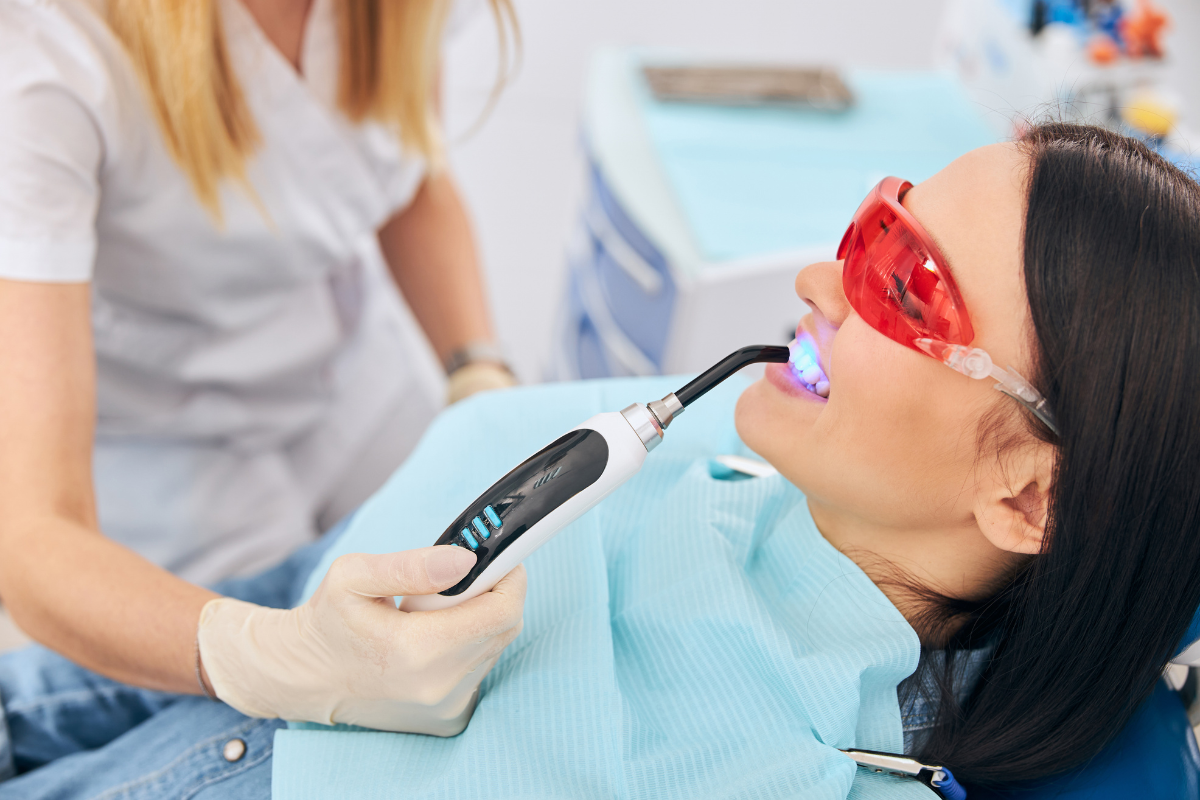
In-office treatment is designed for patients who want a noticeable improvement in a relatively short period. The dental team carefully applies the whitening material while protecting the surrounding gums and soft tissues.
Take-Home Whitening
Professionally supervised take-home whitening allows patients to brighten their smiles gradually at home using customized trays and professional whitening materials.
Your dentist can recommend the approach that best fits your goals, schedule, and oral health.
Can Teeth Whitening Damage Your Teeth?
When used appropriately and according to professional instructions, teeth whitening is generally considered safe for appropriate candidates.
However, temporary sensitivity or gum irritation can occur.
The risk may be greater when whitening products are overused or applied incorrectly. Using excessive amounts or whitening more frequently than recommended does not necessarily produce better results.
If you already have significant tooth sensitivity, enamel problems, cavities, or gum irritation, talk with your dentist before beginning a whitening routine.
Why Whitening Doesn’t Work the Same for Everyone
It’s easy to expect dramatic results after seeing whitening advertisements. In reality, the outcome depends on several factors.
Results can vary based on:
- The original shade of your teeth
- Type and severity of discoloration
- Age
- Enamel characteristics
- Lifestyle habits
- Oral hygiene
- Previous dental treatment
Some stains respond very well to whitening, while others may require alternative cosmetic treatments.
Your dentist can help establish realistic expectations before treatment begins.
How to Maintain a Whiter Smile
Whitening is not permanent. Teeth can gradually become darker again as new stains develop.
Fortunately, simple habits can help extend your results.
Limit Stain-Causing Foods and Drinks
Coffee, tea, red wine, and deeply pigmented foods can contribute to new surface stains.
Drink More Water
Water helps rinse away food particles and beverages that can contribute to staining.
Practice Good Oral Hygiene
Brush twice daily and clean between your teeth regularly. Removing plaque helps keep your smile looking cleaner and brighter.
Avoid Tobacco
Tobacco products can cause significant tooth discoloration while also increasing the risk of serious oral health problems.
Keep Your Dental Visits
Routine dental cleanings remove plaque and surface buildup that regular brushing may not eliminate completely.
What About Whitening Toothpaste?
Whitening toothpaste can help remove some surface stains because many formulas contain mild polishing ingredients.
However, whitening toothpaste generally does not produce the same type of color change as professional bleaching treatments.
It can be useful as part of an everyday oral hygiene routine, but it should not be viewed as a replacement for professional whitening when more significant discoloration is present.
Personalized Cosmetic Dental Care in McMurray
Choosing a dentist in McMurray for cosmetic treatment gives you the opportunity to have your oral health evaluated before whitening begins.
At McMurray Family Dental, the focus is on understanding each patient’s dental condition and cosmetic goals before recommending treatment. That approach helps patients understand what whitening can—and cannot—accomplish for their individual smile.
For patients throughout McMurray and nearby communities, professional guidance can make the whitening process more predictable while helping protect the health of the teeth and gums.
Is Now the Right Time to Brighten Your Smile?
If you’re thinking about whitening before a wedding, graduation, job interview, vacation, family celebration, or simply want to feel better about your everyday smile, planning ahead can be helpful.
A dental consultation can answer important questions:
- Is whitening appropriate for my teeth?
- What is causing my discoloration?
- Which whitening option fits my goals?
- How much improvement should I expect?
- Could sensitivity be an issue?
- Will my existing dental work change color?
Getting those answers first can help you avoid wasting time and money on products that may not address the actual cause of discoloration.
Ready for a Brighter Smile?
A whiter smile starts with more than choosing the strongest whitening product. It starts with knowing why your teeth are discolored, whether whitening is appropriate, and which approach matches your goals.
If you’re considering teeth whitening in McMurray, schedule a consultation with McMurray Family Dental. A personalized evaluation can help you understand your options and move toward a brighter smile while keeping your long-term oral health in focus.
Frequently Asked Questions
How long does professional teeth whitening last?
Results vary from person to person. Diet, oral hygiene, tobacco use, aging, and exposure to staining foods and beverages can all affect how long whitening lasts.
Is professional whitening better than whitening strips?
Professional whitening offers individualized treatment and professional guidance. Some over-the-counter products can reduce surface stains, but your dentist can determine which approach is appropriate for your specific discoloration and oral health.
Does teeth whitening hurt?
Some patients experience temporary tooth sensitivity during or after whitening. Your dental professional can recommend ways to reduce or manage sensitivity when appropriate.
Can teeth whitening remove all stains?
No. Whitening works best on certain types of natural tooth discoloration. Some intrinsic stains may respond poorly and may require alternative cosmetic treatments.
Can I whiten teeth with crowns or fillings?
Whitening products change the color of natural tooth structure but generally do not change the color of crowns, veneers, bridges, or tooth-colored fillings. Your dentist can help you understand how whitening may affect your overall smile.
How often should I whiten my teeth?
There is no single schedule that works for everyone. The appropriate frequency depends on the whitening system, your dental health, and how your teeth respond. Follow your dentist’s recommendations rather than repeatedly whitening on your own.
What should I avoid after teeth whitening?
Your dentist may recommend limiting strongly pigmented foods and beverages for a period after treatment. Good oral hygiene and regular dental cleanings can also help maintain your results.
Is teeth whitening safe for everyone?
Not necessarily. Patients with untreated cavities, significant gum problems, certain types of sensitivity, or other oral health concerns may need treatment before whitening. A dental evaluation can determine whether whitening is appropriate.
Final Takeaway
A brighter smile should never come at the expense of your oral health. Understanding the source of discoloration, choosing an appropriate whitening method, and maintaining good dental habits can help you achieve and preserve a more confident smile.
Schedule a consultation with McMurray Family Dental to discuss whether professional whitening is right for you and what results you can realistically expect.
Medical Disclaimer – This article is for educational purposes only and does not replace professional dental advice, diagnosis, or treatment. Whitening recommendations vary based on individual oral health. Consult a dental professional before beginning professional or at-home whitening, especially if you have tooth sensitivity, cavities, gum concerns, or existing dental restorations.