2001 Waterdam Plaza Drive, Suite 203, McMurray, PA 15317


Teeth Whitening Essentials: Understanding the Basics for a Whiter Smile
A bright smile often makes a strong first impression. Over time, however, teeth can lose their natural whiteness due to daily habits, aging, and diet. Teeth whitening is a popular option for improving the appearance of stained or discolored teeth, but many people are unsure how it works or whether it’s right for them.
This guide explains the basics of teeth whitening, what causes discoloration, available options, and how to maintain results, so you can make an informed decision about teeth whitening for McMurray residents.
Why Do Teeth Become Discolored?
Tooth discoloration usually happens gradually and for several reasons:
- Food and drinks such as coffee, tea, red wine, and dark-colored foods
- Tobacco use, including smoking and chewing tobacco
- Aging, which naturally thins enamel and reveals darker layers beneath
- Certain medications taken during childhood or adulthood
- Inconsistent oral care, allowing plaque and stains to build up
Some stains affect only the surface of the teeth, while others develop deeper within the tooth structure.
How Teeth Whitening Works
Teeth whitening treatments use whitening agents that gently break down stain particles on and within the tooth. This process helps restore a lighter shade without damaging the natural tooth structure when done properly.
Whitening results vary depending on:
- The type of stains
- The method used
- Individual tooth structure
It’s important to understand that whitening works only on natural teeth. Crowns, fillings, and veneers do not change color.
Teeth Whitening Options
There are several whitening approaches available, each with different benefits.
In-Office Teeth Whitening
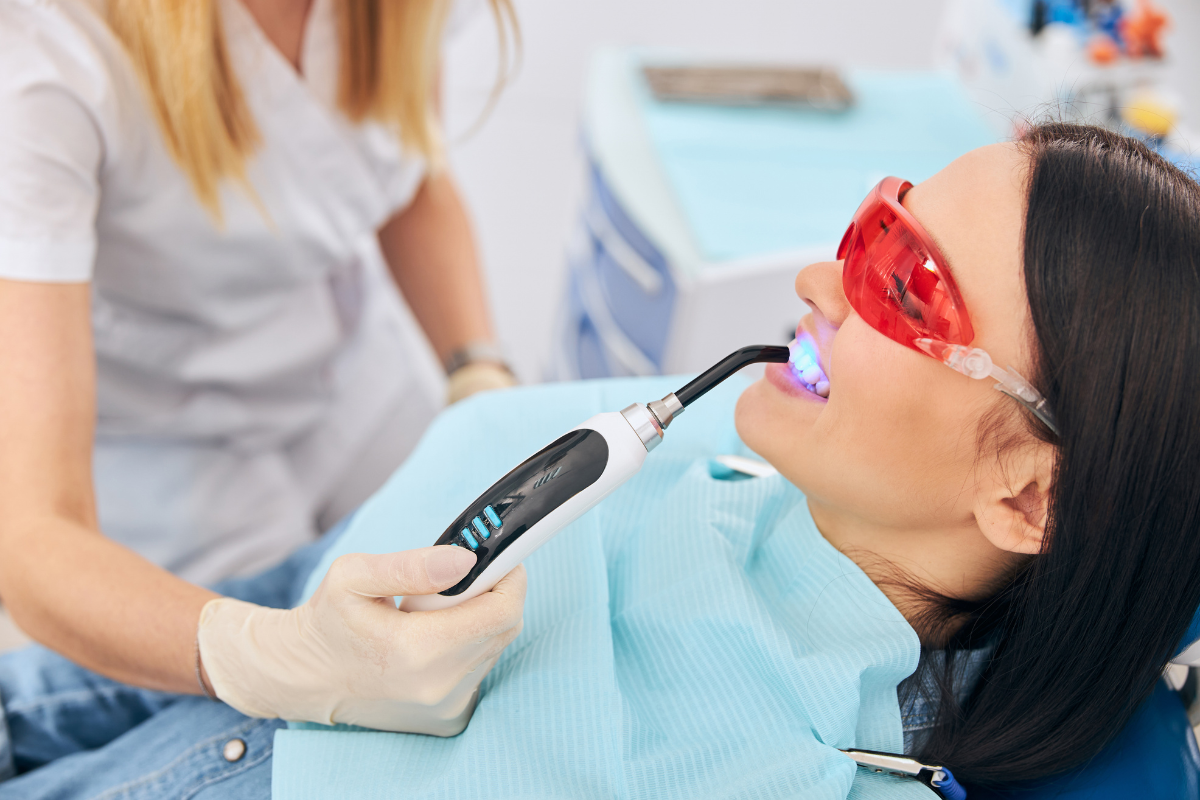
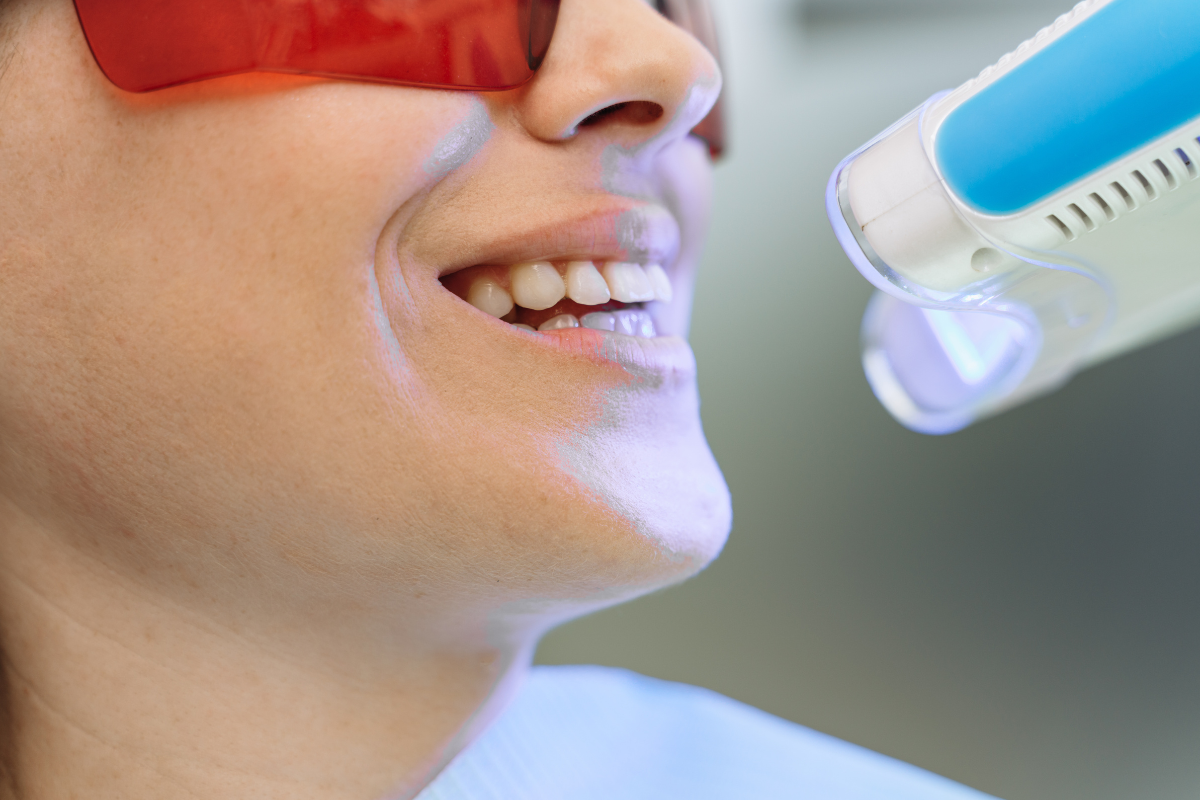
Performed during a dental visit, this option offers noticeable results in a short time. The treatment is monitored closely to reduce sensitivity and protect the gums.
Take-Home Whitening Kits
Custom trays and professional-grade whitening gel allow gradual whitening at home while following dental guidance.
Over-the-Counter Products
Whitening strips, gels, and toothpaste can help reduce surface stains but often provide more subtle results and require consistent use.
A dental consultation can help determine which option best suits your goals and oral health.
Is Teeth Whitening Safe?
Teeth whitening is considered safe when done as directed. Some people may experience temporary sensitivity or mild gum irritation, which usually fades within a few days. Avoiding overuse and following professional guidance helps reduce these effects.
Before whitening, existing dental issues such as cavities or gum inflammation should be addressed.
How to Maintain a Whiter Smile
After whitening, simple habits can help maintain results:
- Brush and floss daily
- Rinse your mouth after drinking coffee, tea, or wine.
- Limit tobacco use
- Use a straw for dark beverages when possible.
- Schedule regular dental cleanings.
These steps help slow down future staining and keep your smile looking brighter longer.
Is Teeth Whitening Right for You?
Teeth whitening may be a good option if your teeth are healthy and stained from everyday habits. It may not be ideal for everyone, especially those with extensive restorations or deep internal discoloration.
At McMurray Family Dental, whitening options are discussed based on individual needs, goals, and oral health to help patients make confident choices about their smiles.
Ready to Brighten Your Smile?
If you’re thinking about improving your smile with teeth whitening, starting with a professional discussion can make all the difference. A consultation allows you to talk through your concerns, review whitening options, and understand what kind of results you can expect based on your dental health. When you’re ready to take the next step, simply schedule a consultation to begin your journey toward a brighter, more confident smile.
How long do teeth whitening results last?
Results can last several months to a few years, depending on diet, habits, and oral care routines.
Will teeth whitening make my teeth sensitive?
Some people experience temporary sensitivity, which usually fades shortly after treatment.
Can teeth whitening remove all stains?
Surface stains respond well to whitening. Deep or internal discoloration may require other cosmetic options.