2001 Waterdam Plaza Drive, Suite 203, McMurray, PA 15317



5 Things to Avoid After Whitening Your Teeth
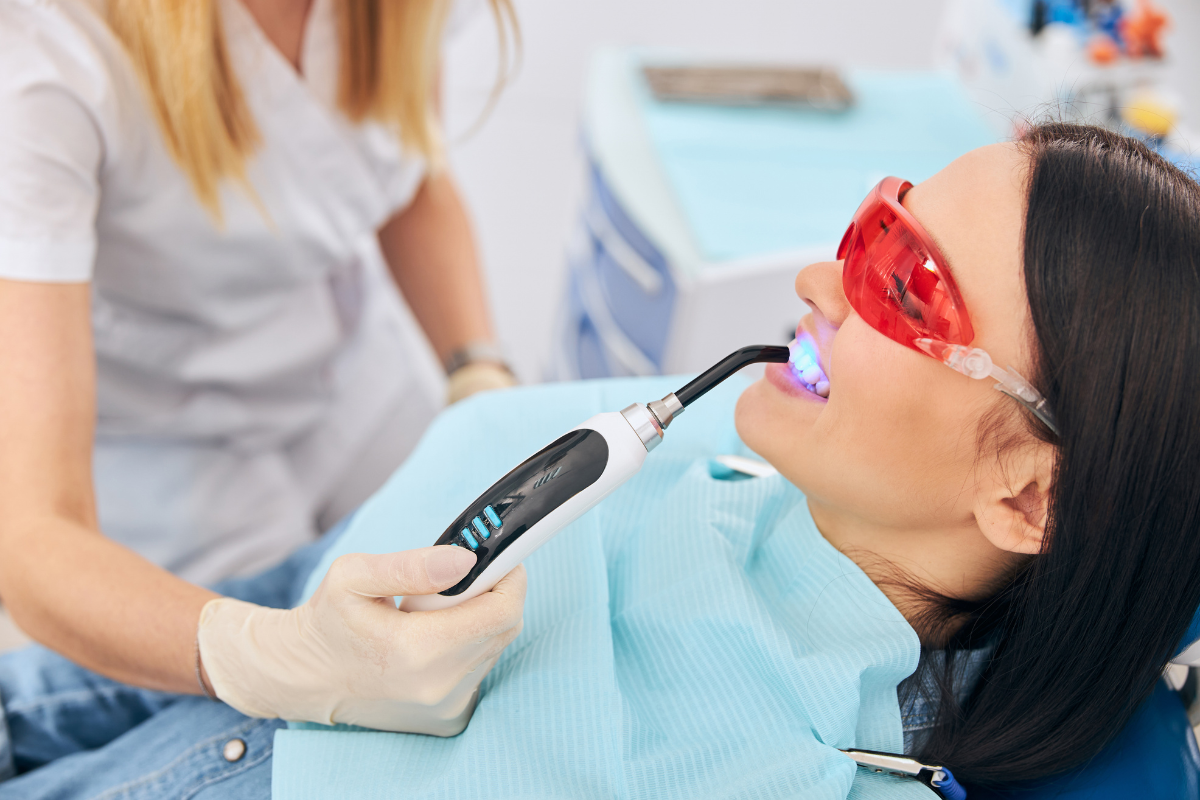
While a professional whitening session can dramatically improve your smile, maintaining those results takes some effort. The first 48 hours after the treatment are critical. During this time, your teeth are more porous and vulnerable to staining. Certain foods, drinks, and habits can quickly impact the results.
However, to protect your smile’s brightness for longer, there are certain things to avoid after a whitening session. Want to know them? Read on till the end for comprehensive knowledge.
What Shouldn’t You Do After Teeth Whitening? 5 Things to Consider
When it comes to maintaining the results of teeth whitening in McMurray, here are the things that you need to avoid:
Say No to Dark Colored Drinks
After a whitening treatment, drinks like coffee, red wine, cola, and tea can quickly stain your teeth. These beverages contain dark pigments that seep into the enamel, especially when it is freshly treated.
If you can not give up your morning coffee, try drinking it through a straw to reduce contact with your teeth. Opt for safer alternatives such as water, coconut milk, or milk. Even white wine is less likely to cause staining compared to red wine.
Avoid Dark or Colorful Foods
It is not just drinks you have to watch out for; many foods can also cause staining. Foods rich in color, such as tomato sauce, chocolate, berries, beets, and soy sauce, should be avoided during the first two days post-treatment. These items contain strong pigments that can undo the whitening effects.
As a general rule, if it can stain a white shirt, it can stain your teeth. Choose lighter options like grilled chicken, cauliflower, pasta, tofu, or white fish to avoid re-staining.
Stay Away from Acidic Foods
During the whitening process, your enamel becomes slightly more porous. This makes your teeth more sensitive to acids, weakening enamel and increasing the risk of discomfort and staining.
Citrus fruits, vinegar-based dressings, processed meats, and pickled foods are common culprits. For at least two days, stick to low-acid foods to allow your enamel to recover and to minimize tooth sensitivity.
Don’t Skip Brushing
It’s important to maintain good oral hygiene, even after a whitening treatment. However, if your teeth are sensitive, choose a soft-bristled toothbrush and a non-abrasive toothpaste.
You can also use toothpaste designed for sensitive teeth to ease any discomfort. Maintaining good hygiene prevents plaque buildup, which keeps your smile bright.
If you’re considering teeth whitening in Mc Murray, maintaining good post-treatment care is just as important as the procedure itself. Be mindful of your daily habits to enjoy longer-lasting results.
Avoid Smoking or Using Tobacco Products
Tobacco is one of the biggest culprits of tooth discoloration. Smoking or chewing tobacco can quickly stain your teeth, even after a whitening session. Besides aesthetic concerns, tobacco use can harm your gums and overall oral health.
Try to avoid all tobacco products for at least a few days post-whitening. Whenever you get the chance, think about quitting altogether, not just for your smile, but also for your overall health. It’s a step that can really make a difference.
Your whitening results depend heavily on how you care for your teeth afterward. By avoiding dark drinks, colorful foods, acidic items, rough brushing, and tobacco, you can keep your smile brighter for much longer.
Want a radiant, bright smile in Mc Murray or need help maintaining the results of your teeth whitening session? Book an appointment at McMurray Family Dental. We are here to help you achieve and protect your best smile yet.
What foods should I avoid after whitening my teeth?
Avoid dark sauces, berries, chocolate, curry, and other pigmented or acidic foods for 48 hours.
How long should I wait after teeth whitening before drinking coffee?
Wait at least 48 hours. If you must have coffee sooner, use a straw and rinse afterward.
Can I brush my teeth after whitening?
Yes, but use a soft-bristled brush and non-abrasive toothpaste. Brushing helps prevent new stains.
Is it safe to eat normally after teeth whitening?
Yes, but stick to light-colored, non-acidic foods like pasta, rice, and white meats for two days.
How long do teeth whitening results last?
With proper care and diet, professional whitening results can last from several months to a few years.