2001 Waterdam Plaza Drive, Suite 203, McMurray, PA 15317


5 Dental Implant Myths That Are Stopping You From Smiling
Too many McMurray residents are living with missing teeth — not because implants can’t help them, but because of myths. The 5 Dental Implant Myths That Are Stopping You From Smiling McMurray patients believe are surprisingly common. At McMurray Family Dental, Dr. William Z. Spatz hears these concerns every week. This article sets the record straight so you can make an informed decision about your smile.
Why Dental Implant Myths Are So Widespread
Misinformation spreads fast — especially when it comes to dental procedures. Many patients rely on stories from friends or outdated online content. That second-hand information often contains fear, exaggeration, or simply old facts. Modern Dental Implants McMurray patients choose today are far more advanced than most people realize.
Implant technology has improved dramatically over the past two decades. Success rates are now consistently above 95%. Pain management, healing times, and aesthetic results have all improved. Yet outdated myths still stop people from exploring a life-changing treatment.
Understanding the truth behind each myth is the first step. Once you separate fear from fact, the decision becomes much clearer. Let’s break down the five biggest myths one by one.
5 Dental Implant Myths That Are Stopping You From Smiling in McMurray — Busted
Myth 1: Dental Implants Are Extremely Painful
The Myth: Many patients assume implant surgery is unbearably painful. This fear keeps countless people from even scheduling a consultation. It’s one of the most common concerns Dr. Spatz hears at McMurray Family Dental.
The Reality: Most patients report less discomfort than they expected. Local anesthesia keeps you comfortable throughout the procedure. Mild soreness afterward is normal and manageable with over-the-counter pain relievers. Many patients return to normal activities within a day or two.
Myth 2: I’m Too Old for Dental Implants
The Myth: Some patients believe age automatically disqualifies them from getting implants. They assume implants are only for younger people. This myth causes many older adults to settle for less effective options.
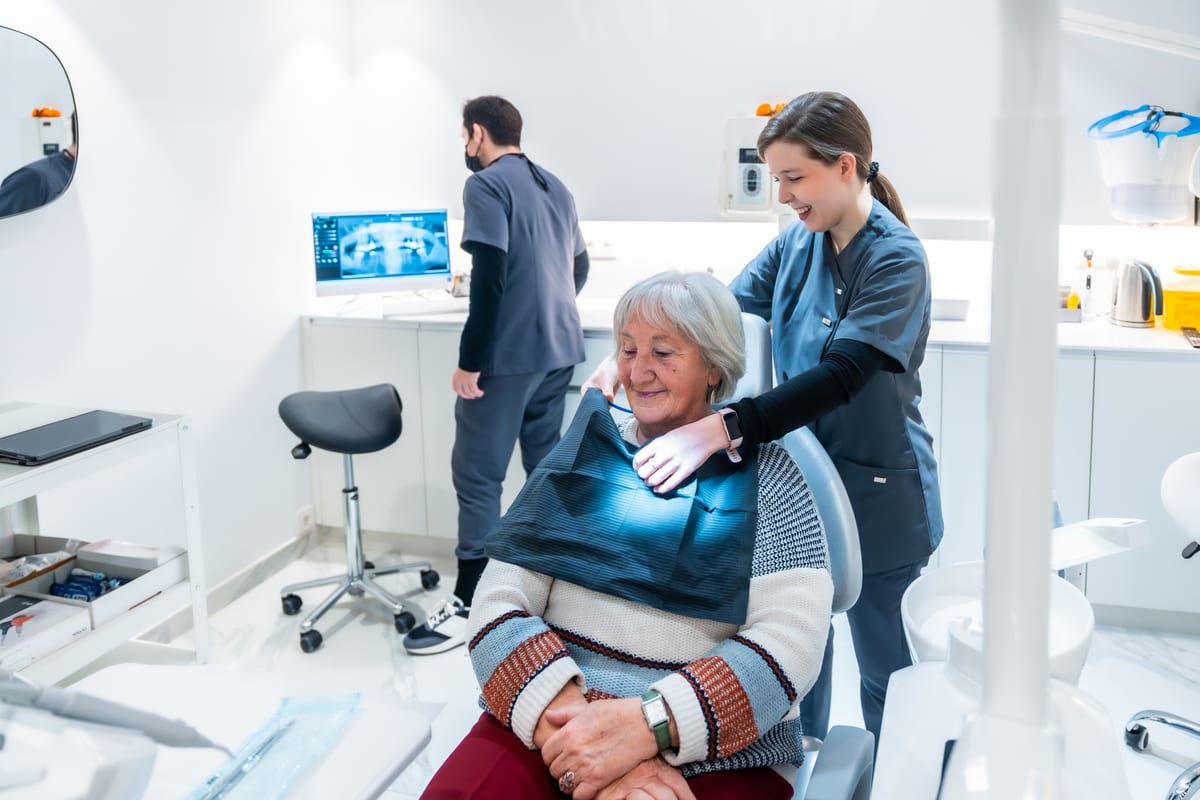
The Reality: There is no upper age limit for dental implants. What matters most is your overall health and bone density. Many of Dr. Spatz’s patients in their 60s, 70s, and beyond have received successful implants. Age alone is never a reason to rule out this treatment.
Myth 3: Dental Implants Look Fake
The Myth: People worry their implants will look obviously artificial. They picture oversized, discolored, or mismatched teeth. This concern is especially common among patients who care about natural aesthetics.
The Reality: Modern implants are custom-designed to match your natural teeth perfectly. The crown placed on top mimics the color, shape, and texture of real teeth. Most people cannot tell the difference between an implant and a natural tooth. Exploring Cosmetic Dentistry McMurray options can further enhance your overall smile appearance.
Myth 4: Dental Implants Always Fail
The Myth: Some patients believe implants frequently fall out or fail. They’ve heard horror stories and assume failure is likely. This myth makes implants sound riskier than they actually are.
The Reality: Dental implants have one of the highest success rates of any surgical procedure. With proper care, they can last a lifetime. Failure is rare and usually linked to smoking, uncontrolled diabetes, or poor oral hygiene. Following your dentist’s aftercare instructions significantly reduces any risk.
Myth 5: The Process Takes Too Long
The Myth: Patients often think the implant process drags on for years. They imagine endless appointments and months of waiting with no teeth. This assumption makes implants feel impractical for busy people.
The Reality: The timeline varies depending on your specific situation. Many patients complete the full process in three to six months. Some qualify for same-day or expedited treatment options. Your time investment is well worth the permanent, natural-feeling result.
What to Expect During Your Implant Journey at McMurray Family Dental
Understanding the process helps eliminate more fear. Dr. Spatz takes a step-by-step approach with every patient. Transparency is a core part of the experience at McMurray Family Dental.
Here is a general overview of what your implant journey looks like:
- Initial consultation: Dr. Spatz evaluates your oral health, bone density, and goals.
- Treatment planning: A custom plan is created based on your unique needs.
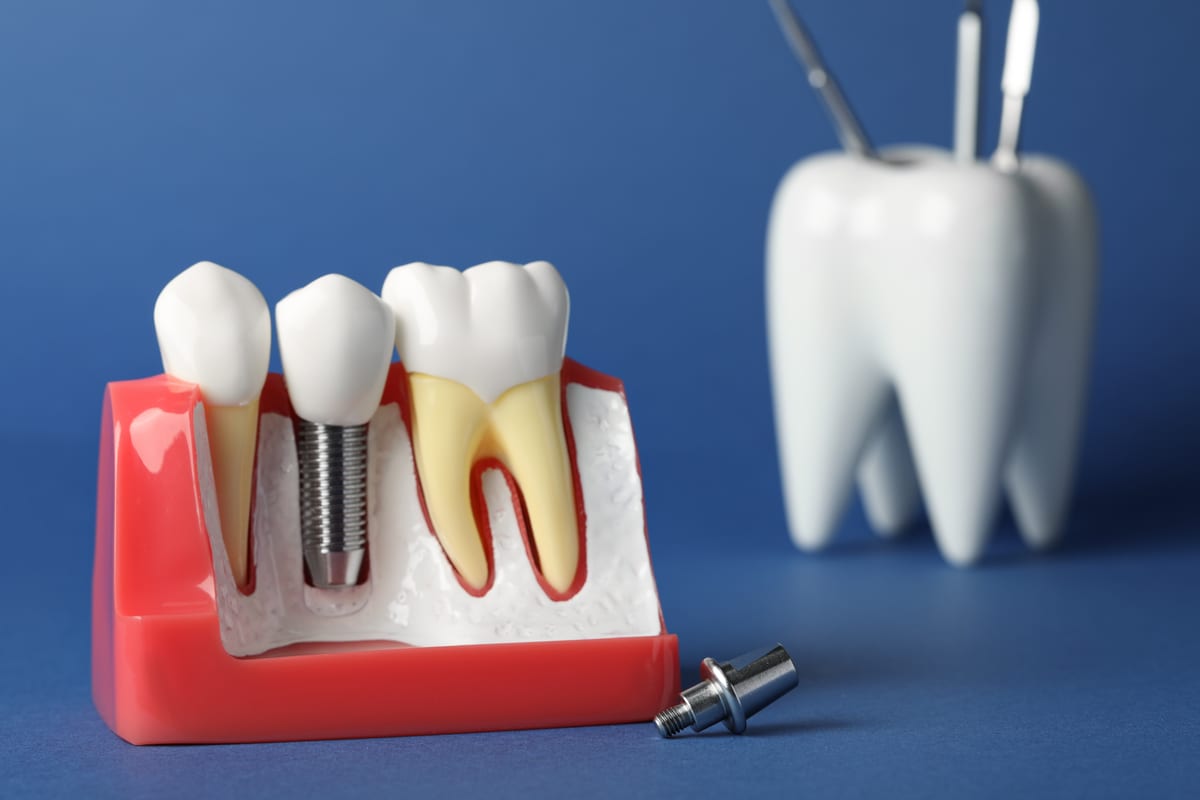
- Implant placement: The titanium post is surgically placed into the jawbone.
- Healing period: The implant fuses with the bone over several weeks.
- Crown placement: A custom-made crown is attached to complete your new tooth.
- Follow-up care: Regular checkups ensure your implant stays healthy long-term.
Every step is explained clearly before it happens. You will never feel rushed or confused during the process. Dr. Spatz and his team answer every question along the way.
Real Benefits of Choosing Dental Implants Over Other Options
Implants offer advantages that other tooth replacement options simply cannot match. Understanding these benefits helps patients see the full picture. Here is why so many McMurray residents choose implants:
- They function exactly like natural teeth when chewing and speaking.
- They preserve jawbone and prevent bone loss over time.
- They do not require adjacent teeth to be altered or crowned.
- They are easy to care for — just brush and floss as normal.
- They are a long-term investment that can last decades with proper care.
- They restore confidence and improve overall quality of life.
No other tooth replacement option delivers this combination of function and longevity. Dentures and bridges have their place, but they come with limitations. Implants eliminate those limitations entirely.
Is McMurray Family Dental the Right Place for Your Implants?
Choosing the right dental provider matters as much as choosing the right treatment. Dr. William Z. Spatz brings expertise, patience, and genuine care to every implant case. McMurray Family Dental is designed to feel welcoming and stress-free from your very first visit.
Patients throughout McMurray, PA trust this practice for general and restorative dental care. The team takes time to understand your fears and walk you through every concern. No question is too small or too basic to deserve a thorough answer.
If the 5 Dental Implant Myths That Are Stopping You From Smiling McMurray patients believe have been holding you back, now is the time to get real answers. A consultation with Dr. Spatz is the best way to find out if implants are right for you. Book Now to schedule your appointment with our team.
Frequently Asked Questions
How long do dental implants actually last?
With proper care and regular dental visits, dental implants can last 20 to 30 years — or even a lifetime. The titanium post is designed to fuse permanently with your jawbone. The crown on top may need replacement after 10 to 15 years due to normal wear. Good oral hygiene is the most important factor in long-term implant success.
Am I a good candidate for dental implants?
Most adults with missing teeth are good candidates for implants. Ideal candidates have adequate jawbone density and are in generally good health. Conditions like uncontrolled diabetes or active gum disease may need to be addressed first. Dr. Spatz evaluates each patient individually to determine the best path forward.
Will my dental implant look different from my natural teeth?
No — modern implants are custom-crafted to match your existing teeth in color, size, and shape. The crown is designed using impressions of your mouth for a perfect fit. Most people, including you, will not be able to tell the difference. Natural-looking results are a top priority at McMurray Family Dental.
Is the dental implant procedure done in one visit?
The full implant process typically involves multiple appointments over several months. The implant post needs time to fuse with the jawbone before the crown is placed. However, some patients qualify for accelerated timelines depending on their case. Dr. Spatz will outline your specific timeline during your consultation.
What happens if I do nothing about my missing tooth?
Leaving a gap from a missing tooth can lead to serious long-term problems. The surrounding teeth may shift toward the empty space over time. Jawbone loss often begins within the first year of a missing tooth. Dental implants prevent these complications by replacing the tooth root and preserving bone structure.