2001 Waterdam Plaza Drive, Suite 203, McMurray, PA 15317



Your Shifting Teeth Are Begging for Dental Implants
Your body sends signals when something is wrong. Shifting teeth, a sunken jawline, or constant chewing pain are not minor inconveniences. They are your mouth telling you it needs help — now. If you live in McMurray and have been putting off tooth replacement, your shifting teeth are begging for dental implants. The longer you wait, the harder the problem becomes to fix.
Dr. William Z. Spatz at McMurray Family Dental sees this pattern regularly. Patients come in after months — sometimes years — of managing around a missing tooth. By then, the damage has often spread far beyond the original gap. Understanding the warning signs early can protect your long-term oral health.
Why Shifting Teeth Are a Serious Warning Sign in McMurray
When a tooth goes missing, the neighboring teeth lose their anchor. Without that support, they begin to drift and tilt toward the empty space. This is not a slow, harmless process. It changes your entire bite alignment over time.
Shifting teeth create new pressure points across your mouth. Teeth that never touched before now grind together. That uneven wear leads to cracks, chips, and increased sensitivity. What started as one missing tooth becomes a cascading set of dental problems.
Many McMurray patients are surprised to learn that tooth movement can happen within just a few months. You may not notice it immediately. However, your dentist can spot early drift during a routine exam. This is one reason regular Teeth Cleaning McMurray visits are so important — they catch shifts before they worsen.
Bone Loss: The Hidden Problem You Cannot Feel
The most dangerous consequence of a missing tooth is not visible in a mirror. It happens beneath the gumline. Your jawbone needs the stimulation of a tooth root to stay dense and healthy. When that root disappears, the bone begins to shrink — a process called resorption.
Bone loss is silent. You will not feel it happening. But over time, it changes the shape of your face. Patients often describe looking older or noticing that their cheeks appear sunken. That structural collapse is the jawbone receding without stimulation.
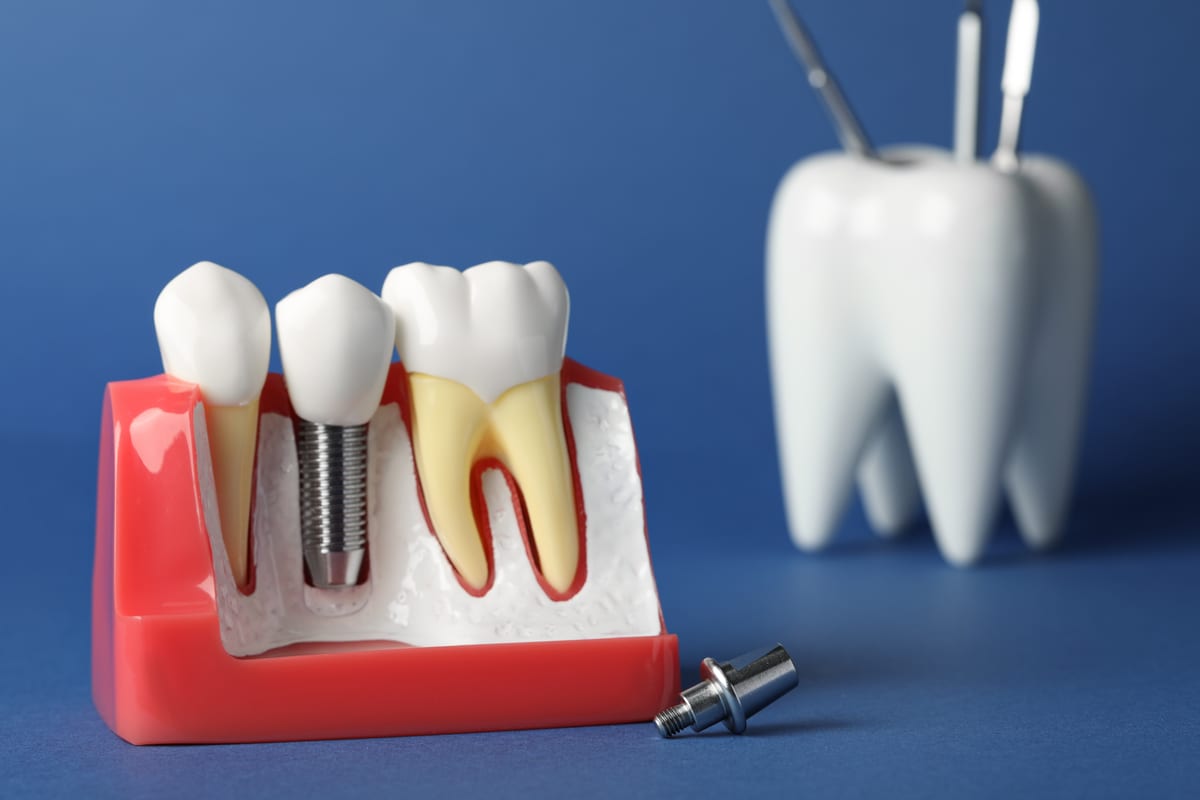
Dental implants are the only tooth replacement option that addresses bone loss directly. The titanium post acts like a natural root. It fuses with the jawbone and stimulates it just like a real tooth would. Bridges and dentures sit on top of the gum — they do nothing to stop bone resorption beneath the surface.
Here are the key signs that bone loss may already be affecting you:
- A visibly sunken or collapsed appearance around the cheeks or jaw
- Dentures or partials that no longer fit correctly
- Loose teeth adjacent to the missing tooth site
- Facial changes that make you look older than your age
- Difficulty wearing removable dental appliances comfortably
Difficulty Chewing — When Eating Becomes a Daily Struggle
One of the clearest signals that you have waited too long is persistent difficulty chewing. Many patients instinctively shift chewing to one side of their mouth. This compensating habit feels natural at first. Over time, it causes significant problems on the overworked side.
Uneven chewing pressure strains jaw muscles and joints. It can contribute to jaw pain, headaches, and even TMJ disorders. Meanwhile, the underused side of the mouth loses stimulation entirely. Bone loss accelerates on the neglected side.
Patients also begin avoiding certain foods. Crunchy vegetables, hearty proteins, and chewy foods get quietly dropped from the diet. This affects nutrition and overall health — not just dental health. If you find yourself choosing soft foods to avoid discomfort, that is a strong sign it is time to act.
Dental implants restore full chewing function. They perform like natural teeth. There are no food restrictions, no slipping, and no soreness from pressure on the gums. Eating becomes comfortable and unrestricted again.
What Makes Dental Implants the Right Answer for These Warning Signs
Dental implants address every warning sign discussed above — simultaneously. They stop bone loss, prevent further tooth shifting, and restore full chewing function. No other tooth replacement solution does all three.
At McMurray Family Dental, Dr. Spatz evaluates each patient thoroughly before recommending implants. The process involves reviewing bone density, overall oral health, and the patient’s specific goals. This individualized approach ensures the best possible outcome for every McMurray patient.
The benefits of choosing dental implants include:
- Permanent, stable tooth replacement that looks and feels natural
- Jawbone stimulation that prevents further bone loss
- No impact on neighboring healthy teeth
- Restored chewing power and dietary freedom
- Long-lasting results with proper care
- Improved confidence in your smile’s appearance
For patients interested in the overall appearance of their smile alongside functionality, Cosmetic Dentistry McMurray options can complement implant treatment beautifully. Implants can also be paired with crowns or veneers for a complete smile transformation.
How Long Is Too Long to Wait?
This is the question most patients ask after they understand the risks. The honest answer is that every month matters. Bone loss begins within the first year of tooth loss. The longer the gap remains, the more bone disappears.
Insufficient bone density can make implant placement more complex. In some cases, a bone graft becomes necessary before implants can be placed. That adds time and steps to the process. Acting earlier often means a simpler, faster treatment journey.
Dr. Spatz works with patients at every stage — including those who have already experienced significant bone loss. There are still excellent solutions available. But starting sooner always leads to better outcomes and fewer complications down the road.
If you recognize the warning signs in your own mouth, do not wait for them to get worse. The right time to address a missing tooth is always as soon as possible. McMurray Family Dental is here to guide McMurray patients through every step of the implant process with care and expertise.
Your smile deserves a solution that lasts. Book Now to schedule your appointment with our team.
Frequently Asked Questions
How do I know if I have bone loss from a missing tooth?
Bone loss is often invisible without an X-ray or dental exam. Signs can include a sunken appearance in the cheek or jaw area, ill-fitting dentures, or shifting of surrounding teeth. Dr. Spatz can evaluate bone density during a comprehensive exam at McMurray Family Dental and recommend the best course of action.
Can teeth really shift that quickly after losing a tooth?
Yes. Neighboring teeth can begin drifting within months of a tooth being lost. The rate of movement varies between patients, but early action is always better. Even small shifts can alter your bite and lead to additional dental problems over time.
Are dental implants painful to get?
Most patients report that the procedure is more comfortable than they expected. Local anesthesia is used during placement to keep you comfortable. Some mild soreness is normal in the days following surgery, but it is manageable and temporary. Dr. Spatz walks every patient through what to expect before treatment begins.
What if I have already lost significant bone — am I still a candidate for implants?
Many patients with bone loss are still candidates for dental implants. A bone graft may be recommended first to rebuild the foundation. Dr. Spatz evaluates each case individually to determine the safest and most effective treatment path for your specific situation.
How long do dental implants last?
With proper care, dental implants can last a lifetime. They are designed to be a permanent solution. Regular dental checkups, good brushing habits, and routine professional cleanings help ensure the longevity of your implants and surrounding oral health.