2001 Waterdam Plaza Drive, Suite 203, McMurray, PA 15317


Stop a Missing Tooth Before It Damages Your Remaining Teeth
A missing tooth might feel like a minor inconvenience at first. You adapt, avoid chewing on that side, and move on. But underneath the surface, something more serious is happening. If you want to stop a missing tooth before it damages your remaining teeth in McMurray, acting early is the smartest move you can make.
At McMurray Family Dental, Dr. William Z. Spatz helps patients understand the full picture. A gap in your smile is not just cosmetic. It sets off a chain reaction that can affect your bite, your jaw, and every tooth surrounding that empty space.
Why a Missing Tooth Is More Dangerous Than It Looks
When a tooth is lost, the jawbone beneath it loses stimulation. Without that stimulation, the bone begins to shrink. This process is called bone resorption, and it starts within just a few months of tooth loss.
As the bone shrinks, neighboring teeth lose support. They begin to shift toward the gap. This movement changes your bite alignment in ways that put stress on other teeth.
Over time, that shifting leads to uneven wear, chipping, and cracking. What began as one missing tooth can eventually compromise several healthy ones. Patients in McMurray are often surprised to learn how quickly these changes can begin.
The Domino Effect: How One Gap Affects Your Whole Mouth
Think of your teeth as a row of books on a shelf. Remove one, and the others lean in to fill the space. The same thing happens in your mouth — and the consequences stack up fast.
- Shifting teeth: Neighboring teeth drift into the open space, changing your alignment.
- Bite problems: An uneven bite creates excess pressure on certain teeth, causing wear and fractures.
- Gum recession: Exposed root surfaces become vulnerable to decay and sensitivity.
- Jawbone loss: Bone density decreases, making future tooth replacement more complex and costly.
- TMJ strain: Jaw joint stress can lead to chronic pain, clicking, or headaches.
Each of these issues compounds over time. Catching the problem early in McMurray means far simpler and more affordable treatment down the road.
How McMurray Family Dental Helps You Prevent Further Damage
Dr. Spatz focuses on prevention as the foundation of good dental care. When a patient comes in with a missing tooth, the goal is to restore function and protect everything else that remains healthy.
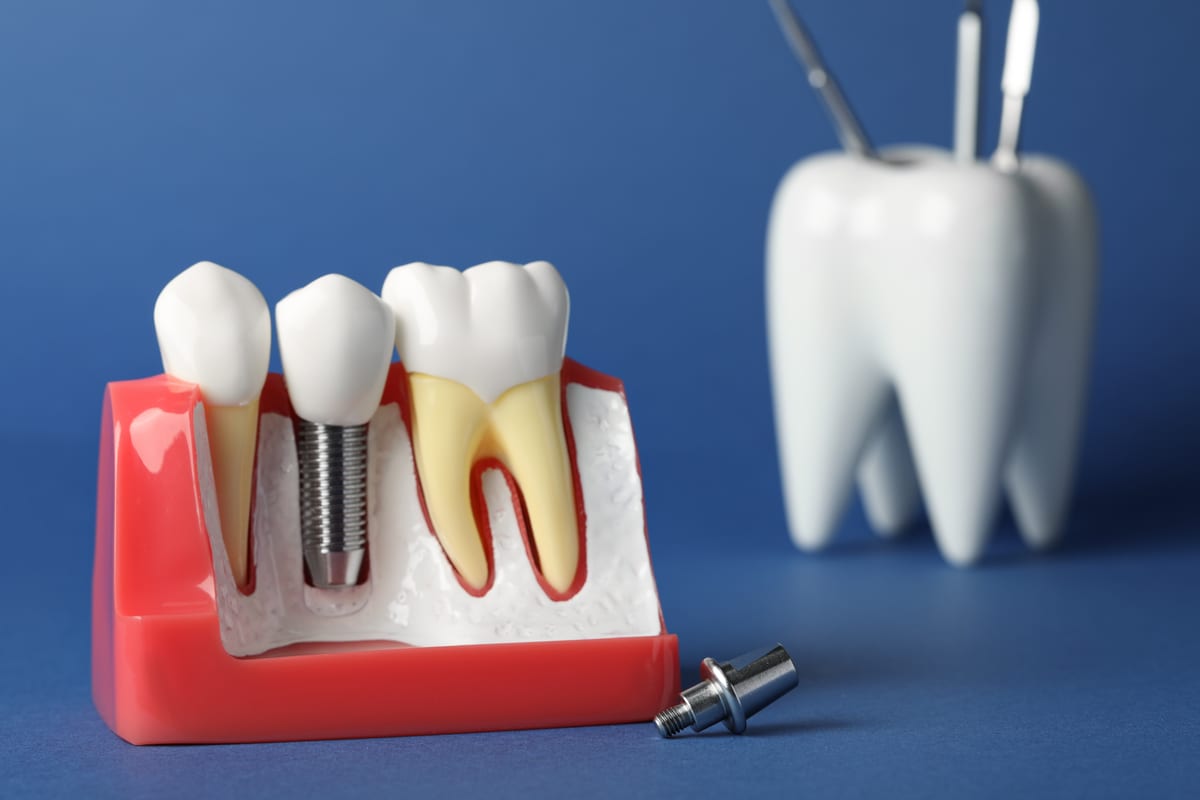
The most effective long-term solution for a missing tooth is a dental implant. Dental Implants McMurray replaces the entire tooth — root and crown — so the jawbone receives the stimulation it needs to stay strong. This prevents the bone loss that triggers all those downstream problems.
For patients who need alternatives, dental bridges and partial dentures can also restore function. The important thing is acting before bone loss and shifting become severe. Every month of delay makes treatment more involved.
Dr. Spatz will evaluate your specific situation and walk you through which option fits your needs. There is no one-size-fits-all answer — your treatment plan will be built around your goals and your oral health.
What to Expect When You Come In for an Evaluation
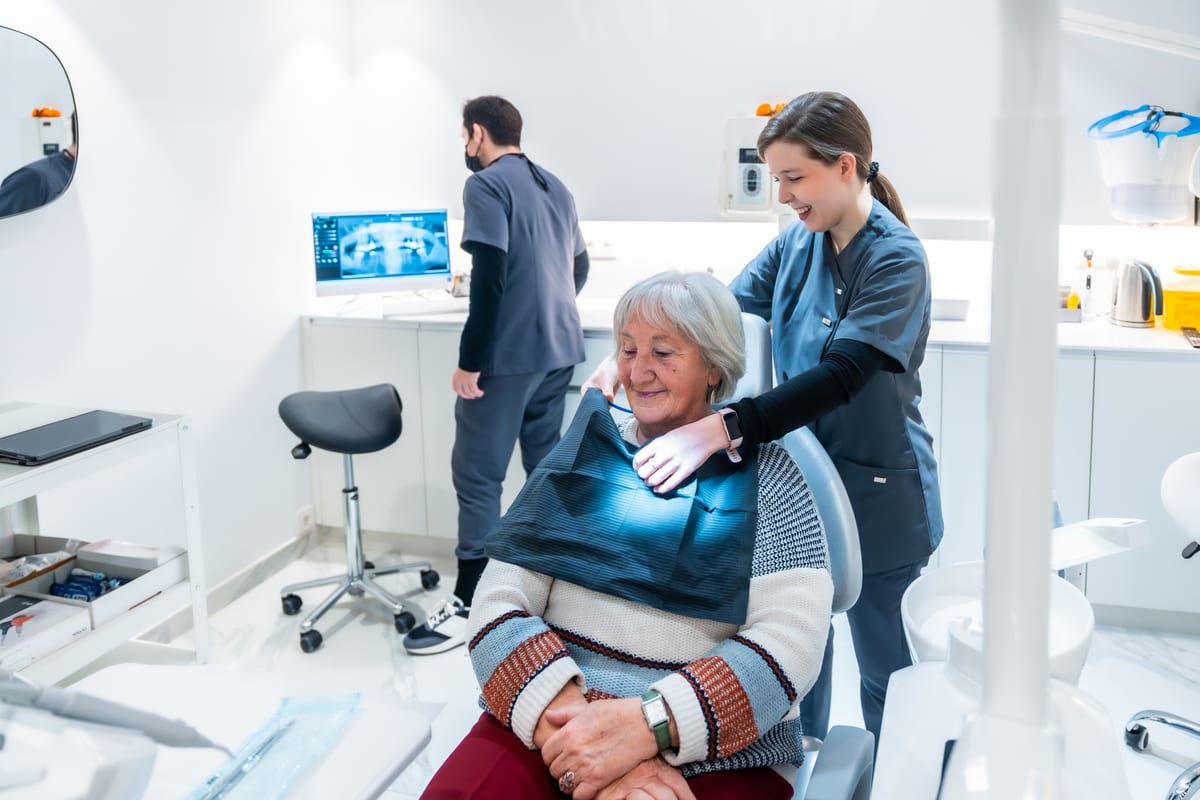
Many patients delay treatment because they are unsure what an evaluation involves. Here is a simple breakdown of what happens when you visit McMurray Family Dental about a missing tooth.
- Comprehensive exam: Dr. Spatz examines your gums, remaining teeth, and bite carefully.
- Imaging: X-rays help assess bone density and the health of surrounding teeth.
- Discussion: You and Dr. Spatz talk through your options with no pressure involved.
- Custom plan: A personalized treatment plan is created to restore and protect your smile.
- Next steps: You leave knowing exactly what to expect and when treatment can begin.
The process is straightforward and educational. Dr. Spatz and the team at McMurray Family Dental believe informed patients make better decisions for their long-term health.
Cosmetic and Functional Benefits of Replacing a Missing Tooth
Tooth replacement is not only about preventing damage. It also restores your confidence and the full function of your bite. Chewing becomes easier, speaking feels more natural, and your smile looks complete again.
Many patients are also surprised to discover the cosmetic improvements that come with replacing a missing tooth. If you are interested in smile enhancement beyond the implant itself, Cosmetic Dentistry McMurray offers additional options to complement your new smile.
Veneers, teeth whitening, and other restorative treatments can be combined with implant therapy for a complete transformation. Dr. Spatz can help you understand how these services work together as part of a comprehensive treatment plan.
The bottom line is simple. Acting now protects what you have. It preserves bone, saves neighboring teeth, and avoids the far greater cost — financial and physical — of treating damage that could have been prevented.
Frequently Asked Questions
How soon after losing a tooth should I seek treatment?
Ideally, you should see a dentist within a few weeks of losing a tooth. Bone loss begins relatively quickly after tooth loss. The sooner you act, the more bone and structure can be preserved for an easier, more successful restoration.
Are dental implants the only option for a missing tooth?
No. Dental implants are the most comprehensive solution because they replace the tooth root and prevent bone loss. However, dental bridges and partial dentures are also effective options. Dr. Spatz will help you choose the right treatment based on your bone health, budget goals, and personal preferences.
Can a missing tooth really affect my other teeth?
Yes, absolutely. Neighboring teeth shift toward a gap over time, changing your bite alignment. This leads to uneven wear, increased fracture risk, and gum recession. What starts as one missing tooth can create problems throughout your entire mouth if left untreated.
Is the dental implant process painful?
Most patients report that the process is far more comfortable than they expected. Local anesthesia is used during the procedure to keep you comfortable. Some mild soreness follows in the days after placement, but it is typically well managed with over-the-counter relief and resolves quickly.
How do I get started with treatment at McMurray Family Dental?
Simply contact our office to schedule a comprehensive evaluation with Dr. Spatz. During your visit, we will assess your current oral health, discuss your options, and create a personalized plan. The first step is just showing up — we handle everything else from there.
Taking action today is the most powerful thing you can do for your long-term dental health. Dr. Spatz and the McMurray Family Dental team are ready to help you protect your smile before small problems become big ones. Book now to schedule your appointment with our team.