2001 Waterdam Plaza Drive, Suite 203, McMurray, PA 15317



Why Your Fresh Cleaning Results Last Only Days Without These Critical Steps
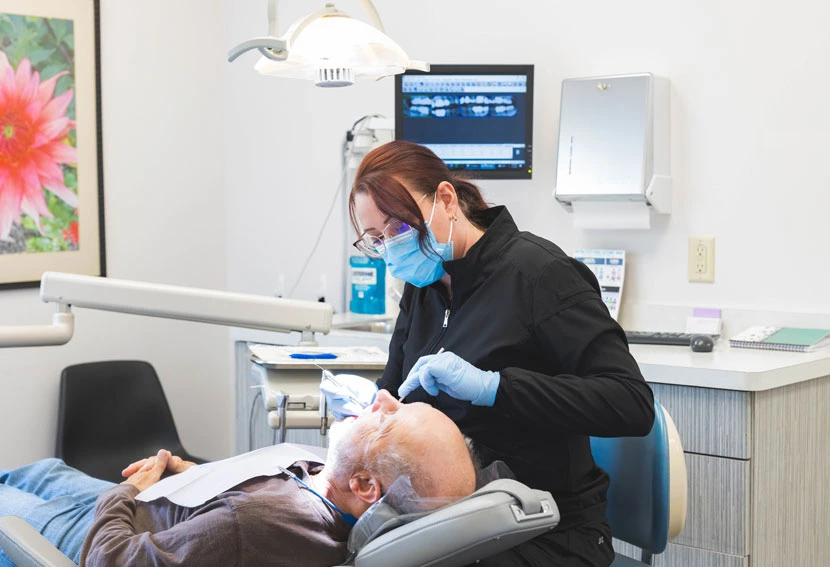
You just left the dental chair feeling amazing. Your teeth are smooth, polished, and noticeably brighter. But here is the truth many patients in McMurray never hear: why your fresh cleaning results last only days without these critical steps is a real and common problem. The choices you make in the next 24 to 48 hours determine how long that clean feeling actually lasts. Dr. William Z. Spatz and the team at McMurray Family Dental want you to get the most from every visit.
What Happens to Your Teeth Right After a Cleaning
Professional teeth cleaning removes built-up plaque and tartar from your enamel. This process also opens the microscopic pores of your enamel temporarily. Your teeth become slightly more porous and more vulnerable in those first few hours after treatment.
Bacteria in your mouth begin working almost immediately. They start rebuilding a new biofilm layer within minutes of cleaning. This is completely normal, but it means your aftercare habits matter enormously right away.
If you go home and eat sugary snacks or skip brushing that evening, you essentially give bacteria a head start. The results you just paid for can start fading within a day or two. Knowing this helps you protect your investment in your smile.
Critical Steps to Protect Your Cleaning Results in McMurray
The most important window is the first two hours after your appointment. Avoid eating or drinking anything during this time if possible. This allows your saliva to naturally remineralize and settle your enamel.
After that two-hour mark, follow these steps carefully:
- Brush gently with a soft-bristle toothbrush twice daily
- Floss at least once every evening before bed
- Use a fluoride toothpaste approved by your dentist
- Rinse with an alcohol-free antibacterial mouthwash
- Drink plenty of water throughout the day to wash away debris
These habits sound simple. But skipping even one step regularly can allow plaque to harden back into tartar within days. Once tartar forms, only a professional cleaning can remove it again.
Dr. Spatz also recommends avoiding tobacco products after your cleaning. Tobacco dramatically accelerates plaque buildup and stains newly polished surfaces quickly. Staying tobacco-free protects both your gum health and the brightness of your teeth.
Foods and Drinks to Avoid After Your Appointment
Your freshly cleaned teeth are especially vulnerable to staining in the first 48 hours. The enamel pores that opened during polishing absorb pigments more easily than usual. Choosing the right foods during this window makes a real difference.
Avoid these items for at least 48 hours after your cleaning:
- Coffee and tea, which contain strong tannins that stain enamel
- Red wine and dark fruit juices
- Tomato-based sauces and curries
- Soy sauce and balsamic vinegar
- Dark sodas and sports drinks
- Sticky candies and sugary snacks
Instead, choose light-colored foods and plenty of water. Apples, celery, and dairy products actually help clean teeth naturally. These choices support your cleaning results rather than working against them.
If you do consume something staining, rinse your mouth with water immediately afterward. This simple step reduces pigment absorption significantly. It takes only a few seconds and protects your results effectively.
How Cosmetic Goals Connect to Your Cleaning Routine
Many McMurray patients visit us for teeth whitening or veneers after their cleaning appointment. Good aftercare habits directly support the success of those treatments too. A clean baseline makes every cosmetic result last longer and look better.
If you are exploring Cosmetic Dentistry McMurray options, starting with a professional cleaning is always the right foundation. Whitening products work more evenly on freshly cleaned surfaces. Veneers bond more securely to enamel that is free of plaque and tartar buildup.
Some patients also ask about replacing missing teeth before pursuing cosmetic work. Options like Dental Implants McMurray restore the structure that supports your overall oral health. Healthy gums and clean teeth are essential before any implant procedure begins.
The takeaway is this: your cleaning is not just a standalone appointment. It is the foundation for every other dental goal you have. Protect it, and every future treatment becomes more effective.
Building Long-Term Habits That Extend Your Results
One professional cleaning every six months only works when paired with a strong daily routine at home. Think of your dental visits as a reset button. Your daily habits are what keep the benefits going between appointments.
Consistency beats intensity every time. Brushing for two full minutes twice daily removes far more plaque than brushing hard for 30 seconds. Use gentle circular motions rather than aggressive back-and-forth scrubbing. Harsh brushing wears down enamel over time.
Consider using an electric toothbrush if you are not already. Studies consistently show that electric brushes remove more plaque than manual brushing alone. Many McMurray patients notice a significant improvement in gum health after making this simple switch.
Finally, schedule your next cleaning before you leave the office. Gaps between cleanings allow tartar to accumulate faster than most people expect. Staying on a regular schedule is the single most effective long-term strategy for lasting results.
Conclusion: Your Results Are Worth Protecting
Understanding why your fresh cleaning results last only days without these critical steps in McMurray gives you real power over your oral health. The steps are not complicated. They just require consistency and awareness in those crucial hours and days after your appointment. Dr. William Z. Spatz and the entire McMurray Family Dental team are here to support your smile every step of the way. Book Now to schedule your appointment with our team.
Frequently Asked Questions
How soon after a cleaning can I eat normally?
Most dentists recommend waiting at least two hours before eating anything after a professional cleaning. This gives your enamel time to remineralize and reduces sensitivity. After that window, focus on light-colored, low-sugar foods for the next 48 hours to protect your results from staining.
Is it normal for my teeth to feel sensitive after a cleaning?
Yes, mild sensitivity after a professional cleaning is completely normal and usually temporary. The cleaning process removes buildup that was insulating your teeth, so they may feel more exposed at first. Sensitivity typically fades within 24 to 48 hours. Using a sensitivity toothpaste can help manage discomfort during that window.
How often should I get a professional teeth cleaning?
Most dental professionals recommend a professional cleaning every six months for patients with healthy gums. Some patients with a history of gum disease or heavy tartar buildup may benefit from more frequent visits, such as every three to four months. Dr. Spatz will recommend the right schedule based on your individual oral health needs.
Can I whiten my teeth right after a cleaning?
A professional cleaning actually creates an ideal surface for whitening treatments. Your teeth are free of plaque and tartar, which allows whitening agents to contact the enamel evenly. However, if your teeth feel sensitive after cleaning, it is wise to wait a day or two before starting any whitening treatment to avoid added discomfort.
What is the fastest way plaque rebuilds after a cleaning?
Plaque begins forming within hours of a cleaning, especially when you consume sugary or starchy foods. Bacteria feed on these food particles and multiply quickly. The fastest way to slow this process is to brush and floss the same evening as your appointment and rinse with water after every meal or snack throughout the day.