2001 Waterdam Plaza Drive, Suite 203, McMurray, PA 15317


Understanding Cracked Tooth Syndrome
Have you ever felt a sudden, sharp pain when chewing or sensitivity to hot and cold foods without visible evidence of a tooth fracture? These may be the signs of Cracked Tooth Syndrome, a prevalent yet usually underdiagnosed dental condition. Cracked Tooth Syndrome results from small fractures in a tooth, producing symptoms that, if left untreated, could result in severe complications.
What Is Cracked Tooth Syndrome?
What is Cracked Tooth Syndrome, and how does it differ from a broken tooth?
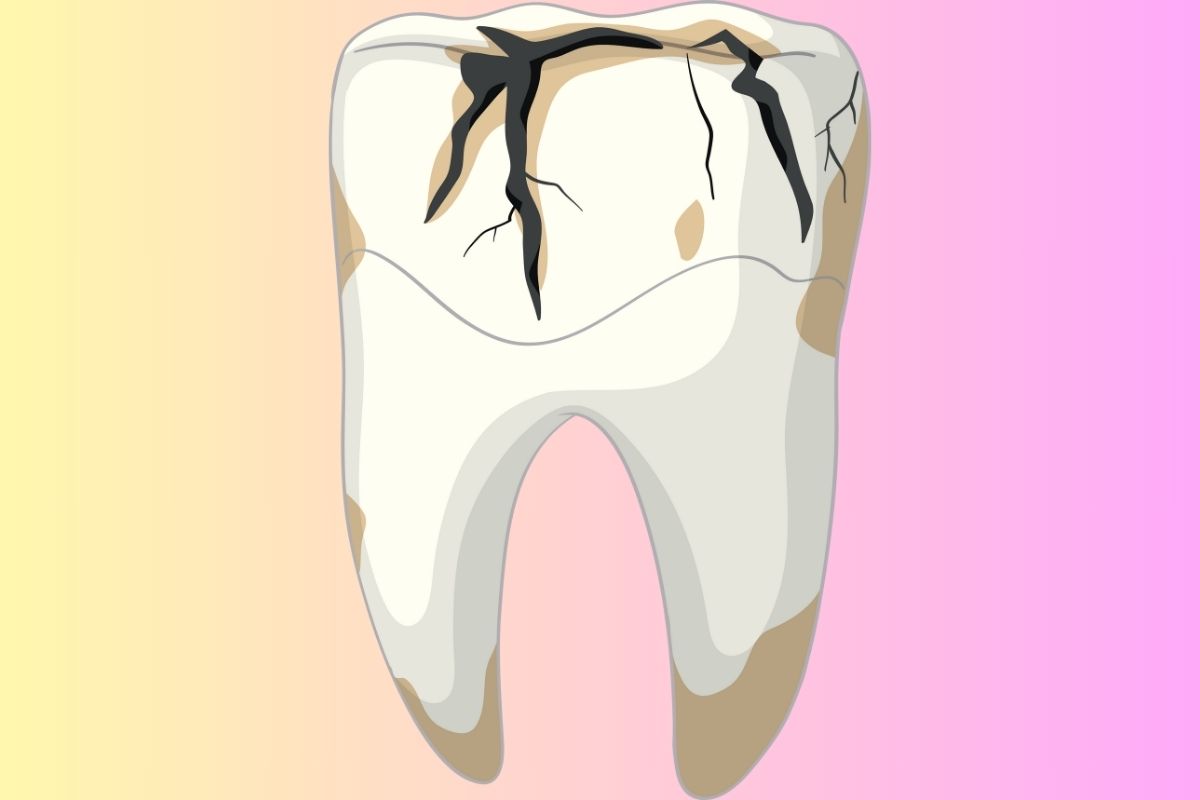
Cracked Tooth Syndrome (CTS) is a condition where tiny fissures appear in the tooth, which may even be undetectable by the naked eye or radiographs. Unlike a fully fractured tooth, a cracked tooth does not separate but can cause painful symptoms and sensitivity.
This often happens with molars because they bear the most stress from chewing. If one suspects CTS, early treatment is crucial and can be sought to avoid further damage, empowering you to take control of your oral health.
Common Symptoms of Cracked Tooth Syndrome
How can I tell if I have Cracked Tooth Syndrome?
The symptoms of CTS can be different, but the common signs include:
- Intermittent Pain: Sharp pain that comes and goes, especially when chewing.
- Temperature Sensitivity: Increased sensitivity to hot or cold foods and drinks.
- Pain Without Visible Damage: Discomfort in a tooth that appears normal.
- Localized Swelling: Tenderness or swelling around the affected tooth in advanced cases.
If you are experiencing these symptoms, see a Dentist in McMurray, PA, for a proper diagnosis and to discuss treatment options.
What Causes Cracked Tooth Syndrome?
What causes teeth to crack?
There are many possible causes of CTS, including:
- Grinding or clenching habits weaken the enamel and can cause cracks.
- Chewing complex objects: Ice, nuts, and hard candies can all stress teeth.
- Large Fillings: Older fillings may weaken the surrounding tooth structure.
- Trauma: Accidents or injuries can cause sudden cracks in teeth.
Avoid chewing complex objects and address teeth grinding with a nightguard to reduce risk.
Diagnosis and Treatment Options
How is Cracked Tooth Syndrome diagnosed and treated?
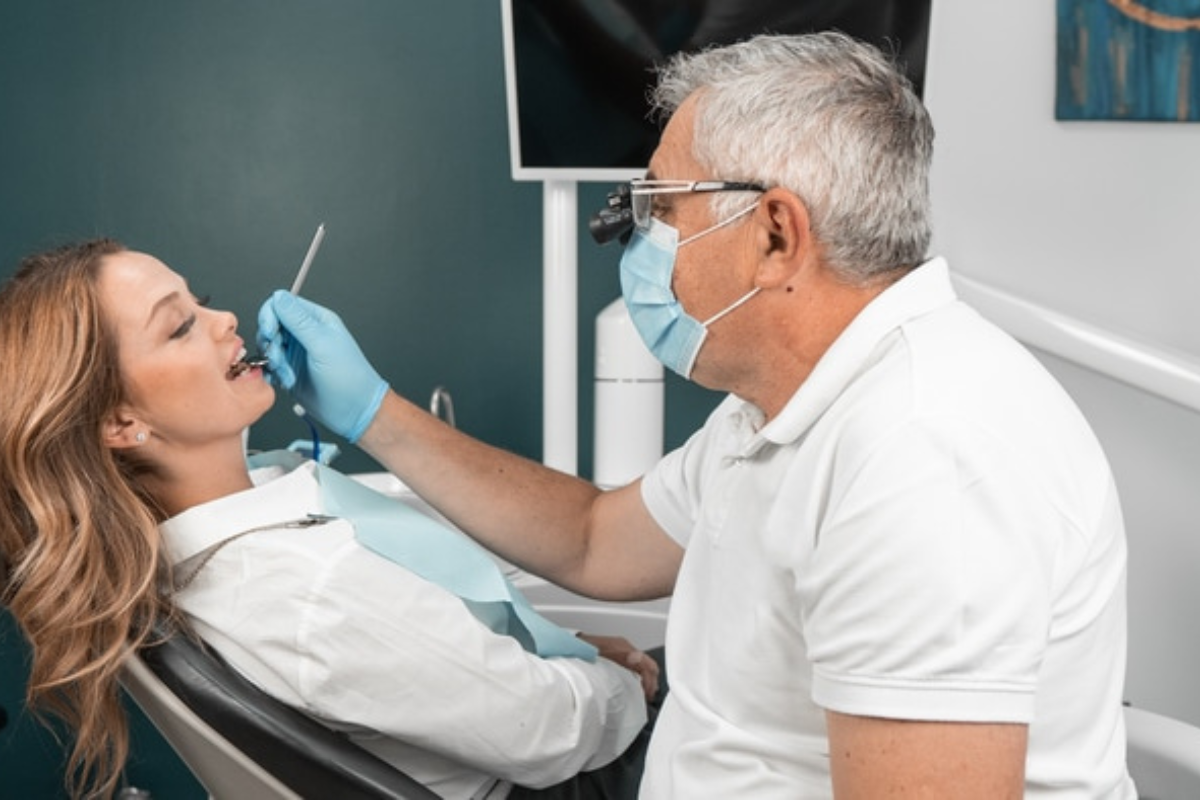
Dentists use advanced tools such as magnifying lenses, bite tests, or special dyes to detect cracks. The treatment approach depends on the crack’s severity:
- Dental Bonding: Great for small cracks, bonding replaces tooth structure.
- Crowns: Custom crowns protect severely cracked teeth from further damage.
- Root Canal Therapy: Required if the crack has reached the pulp.
- Extraction: If the damage is irreparable, the tooth may need removal.
Consulting a Dentist in McMurray, PA, ensures a tailored treatment plan that preserves oral health.
Preventing Cracked Tooth Syndrome
How can I prevent Cracked Tooth Syndrome?
Prevention is the most essential way to protect your teeth. Here are some tips:
- Do not chew complex objects or foods such as ice or hard candies.
- Wear a mouthguard if you grind your teeth at night.
Regular dental check-ups and early detection are the best ways to diagnose these problems, providing you with the reassurance that your dentist is there to help you maintain your oral health.
These proactive steps can help you safeguard your smile for years to come.
Can a cracked tooth heal on its own?
No, a cracked tooth cannot heal itself. Without treatment, the crack may worsen, leading to pain or infection. Seek prompt dental care for proper management.
How long does treatment for Cracked Tooth Syndrome take?
Treatment duration varies depending on the severity and type of procedure. Bonding or crowns typically require one or two visits, while root canals or extractions may take longer.
What happens if I ignore a cracked tooth?
If CTS is ignored, a patient might experience severe pain, infection, or even tooth loss. Early intervention plays a key role in averting these complications.
Is Cracked Tooth Syndrome common?
Yes, CTS is common, especially for adults. Molars will be easily damaged because they bear pressure when chewing.
Cracked Tooth Syndrome can cause discomfort; however, it’s manageable once treated in time, offering hope for a healthy and strong smile. A genuine McMurray Dentist would diagnose and treat such conditions to keep your smile healthy and strong.