2001 Waterdam Plaza Drive, Suite 203, McMurray, PA 15317


Cracked Tooth vs. Cavity: How to Spot the Difference
When you experience discomfort in your teeth, it’s natural to wonder whether it’s a cracked tooth or a cavity. Both conditions can cause pain and sensitivity, but they require different treatments. Understanding the difference between the two can help you seek the proper care promptly.
How to Tell If You Have a Cracked Tooth or a Cavity
How to Identify a Cracked Tooth
A cracked tooth often occurs from biting into something hard, grinding your teeth, or an injury. Suppose you notice sharp pain when chewing or sudden sensitivity to hot or cold; these could be signs of a crack. Other symptoms may include a cracked tooth being visible, or a sudden change in the way your teeth fit together. Sometimes, the crack is visible, but it’s often hidden beneath the surface. Cracks can worsen if left untreated, leading to more significant damage over time.
The approach to treating cracked teeth depends on the severity of the crack. Your dentist may recommend bonding, a crown, or, in severe cases, a root canal. Early intervention is key to saving the tooth and preventing further complications.
How to Spot a Cavity
Cavities, on the other hand, develop slowly due to decay. Poor oral hygiene, frequent snacking, and sugary foods contribute to the formation of cavities. You might notice a dull ache or sensitivity, especially when eating sweet or acidic foods. Cavities often appear as dark spots or holes on the tooth’s surface. Unlike cracks, cavities usually don’t cause sharp pain unless the decay has reached more profound layers of the tooth.
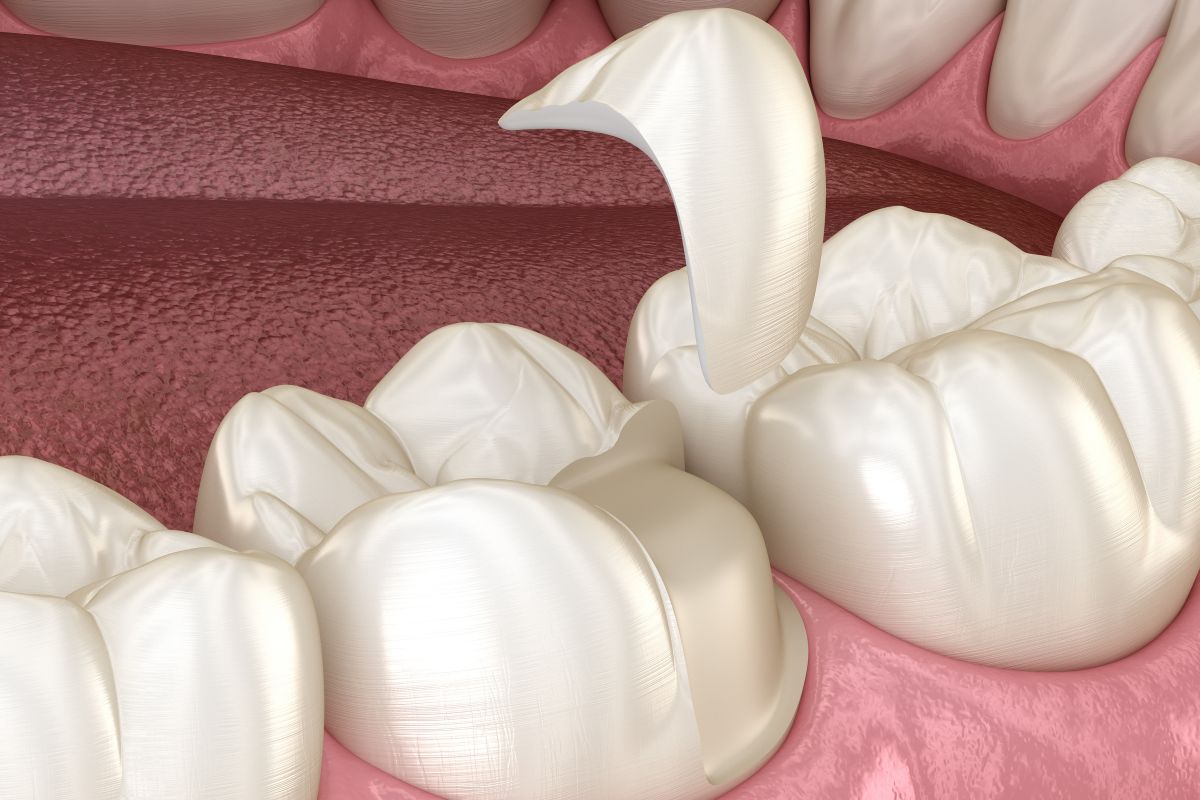
The treatment for a cavity typically involves removing the decayed portion of the tooth and filling it with a dental material. If the cavity is extensive, a crown may be necessary to restore the tooth’s function.
Key Differences Between a Cracked Tooth and a Cavity
The primary difference between the two conditions is the cause and type of pain. A cracked tooth typically results from physical trauma and causes sharp pain when applying pressure. A cavity, however, is caused by decay and often leads to a dull, lingering ache. Both conditions can cause sensitivity, but a cracked tooth may cause more intense reactions to temperature changes or chewing.
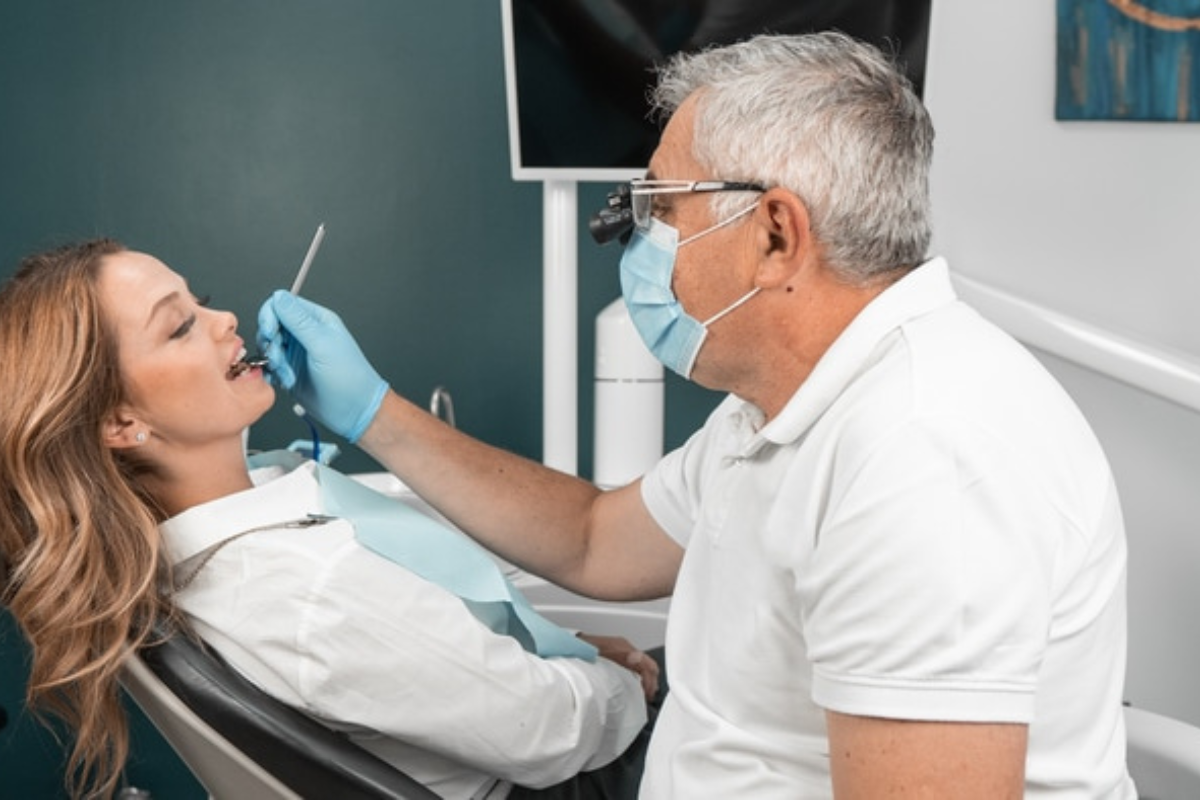
If you need clarification on your issue, visiting your dentist is the best way to get an accurate diagnosis. Your dentist will likely perform a visual examination, possibly supplemented by X-rays, to determine the nature and extent of your dental issue. Delaying treatment can lead to more severe problems, including tooth loss or infection.
Treatment Options for Cracked Teeth and Cavities
Cracked teeth treatment options include dental bonding, crowns, and, in more serious cases, root canal therapy. Cavities, depending on the extent of decay, are treated with fillings or crowns. Acting quickly with both conditions is essential to preserve oral health. This emphasis on early intervention should motivate you to take action and seek treatment promptly.
McMurray Family Dental provides expert care for cracked teeth and cavities, offering treatments tailored to each patient’s needs. Whether restoring a damaged tooth or treating decay, our team is dedicated to maintaining your smile’s health and strength.
When to See Your Dentist
If you’re experiencing pain, discomfort, or sensitivity in your teeth, don’t ignore it. Whether it’s a crack or a cavity, prompt dental care can make all the difference in preventing further damage. Contact McMurray Family Dental today to schedule an appointment and let our skilled team diagnose and treat your dental concerns.
When you need expert care, our experienced team at McMurray Family Dental is here to provide comprehensive treatments for cracked teeth and cavities. Our team, led by Dr. John Smith, a renowned dental expert with over 20 years of experience, is dedicated to providing personalized care to maintain oral health and restore your smile. Visit your Dentist in McMurray, PA, for any dental concerns.