2001 Waterdam Plaza Drive, Suite 203, McMurray, PA 15317


Most Common Dental Problems That Your Dentist Can Help Prevent Before They Get Worse
A small toothache may not seem like a big deal today. A little bleeding when you brush might feel easy to ignore. But many dental problems begin with minor symptoms and gradually turn into conditions that affect your comfort, confidence, and overall health.
The good news is that most oral health issues can be treated early with professional dental care. Whether you’re dealing with sensitivity, cavities, gum concerns, or missing teeth, seeing a dentist McMurray residents trust can help prevent more extensive treatment later.
At McMurray Family Dental, we help patients identify dental concerns early and create personalized treatment plans designed to protect their smiles for years to come. Understanding the most common dental problems can help you know when it’s time to seek care.
Why Dental Problems Should Never Be Ignored
Your mouth is connected to your overall health. When dental issues are left untreated, they often progress instead of resolving on their own.
What starts as a small cavity can develop into a painful infection. Mild gum inflammation can advance into more serious periodontal disease. Even minor tooth damage can become larger fractures that require more extensive treatment.
Regular dental visits allow problems to be detected before they become more complicated, uncomfortable, and costly to treat.
- Tooth Decay and Cavities
Tooth decay remains one of the most common dental conditions affecting both children and adults.
Cavities develop when bacteria in the mouth produce acids that gradually wear away tooth enamel. Over time, this damage creates small holes in the tooth structure.
Common Signs of Tooth Decay
- Tooth sensitivity
- Toothache
- Pain when eating sweets
- Visible holes or dark spots on teeth
- Discomfort when chewing
Why It Matters
Without treatment, decay can spread deeper into the tooth and eventually reach the dental pulp, leading to infection and significant pain.
Professional Solution
Your dentist may recommend:
- Tooth-colored fillings
- Dental crowns
- Root canal therapy when necessary
- Preventive fluoride treatments
Early treatment often helps preserve more of your natural tooth structure.
- Gum Disease
Many people are surprised to learn that gum disease is one of the leading causes of tooth loss among adults.
Gum disease begins with plaque accumulation along the gumline. As bacteria multiply, the gums become irritated and inflamed.
Warning Signs
- Red or swollen gums
- Bleeding during brushing or flossing
- Persistent bad breath
- Gum recession
- Loose teeth
Risks of Delaying Treatment
Untreated gum disease can damage the tissues and bone that support your teeth. Advanced cases may eventually result in tooth loss.
Professional Solution
Treatment options may include:
- Professional dental cleanings
- Deep cleaning procedures
- Periodontal therapy
- Ongoing maintenance visits
Regular dental examinations help identify gum disease before significant damage occurs.
- Tooth Sensitivity
If hot coffee, cold drinks, or sweet foods cause discomfort, you may be experiencing tooth sensitivity.
This condition often develops when protective enamel wears down or when tooth roots become exposed.
Common Causes
- Enamel erosion
- Gum recession
- Tooth grinding
- Cavities
- Cracked teeth
Why It Matters
While sensitivity may seem minor, it can signal an underlying dental problem that requires professional attention.
Professional Solution
Your dentist may recommend:
- Desensitizing treatments
- Fluoride applications
- Restorative procedures
- Nightguards for grinding
Identifying the cause is essential for long-term relief.
- Cracked or Chipped Teeth
Teeth can become damaged from accidents, sports injuries, biting hard foods, or teeth grinding.
Even small cracks should be evaluated because they may worsen over time.
Symptoms
- Pain when chewing
- Sensitivity to temperature
- Sharp edges on the tooth
- Visible chips or fractures
Potential Risks
A crack can allow bacteria to enter the inner tooth structure, increasing the risk of infection.
Professional Solution
Depending on the severity, treatment may include:
- Dental bonding
- Crowns
- Veneers
- Root canal treatment
- Tooth replacement options when necessary
Prompt care helps protect the tooth and prevent further damage.
- Missing Teeth
Missing teeth affect more than appearance. They can impact speech, chewing ability, and jawbone health.
When a tooth is lost, neighboring teeth may begin shifting out of position, creating additional oral health challenges.
Common Causes
- Gum disease
- Tooth decay
- Trauma
- Failed restorations
Why It Matters
Missing teeth can lead to:
- Difficulty chewing
- Changes in facial appearance
- Bite problems
- Bone loss in the jaw
Professional Solution
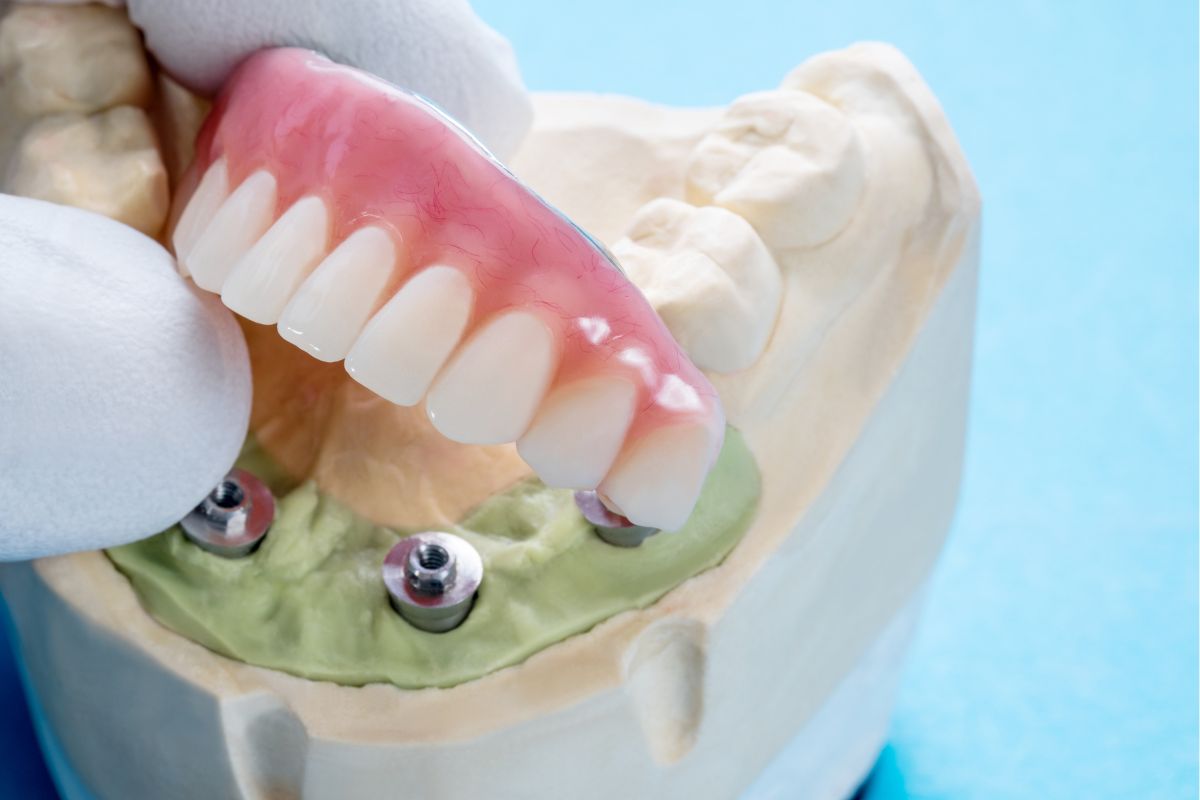
Modern dentistry offers several replacement options, including:
- Dental implants
- Bridges
- Dentures
A personalized consultation can help determine the most appropriate solution for your needs.
- Chronic Bad Breath
Occasional bad breath is common, but persistent bad breath may indicate an underlying dental issue.
Possible Causes
- Gum disease
- Tooth decay
- Dry mouth
- Oral infections
- Poor oral hygiene
Risks
Persistent bad breath can affect confidence and may signal conditions that require treatment.
Professional Solution
A comprehensive dental examination can identify the source and help create an effective treatment plan.
- Teeth Grinding and Jaw Discomfort
Many people grind or clench their teeth without realizing it, especially during sleep.
Over time, this habit can place significant pressure on the teeth and jaw joints.
Signs of Teeth Grinding
- Morning headaches
- Jaw soreness
- Worn teeth
- Tooth fractures
- Facial tension
Professional Solution
Treatment may include:
- Custom nightguards
- Bite evaluations
- Restorative treatment for damaged teeth
Protecting your teeth early can prevent long-term wear and discomfort.
How a Dentist McMurray Patients Trust Can Help Protect Their Smile
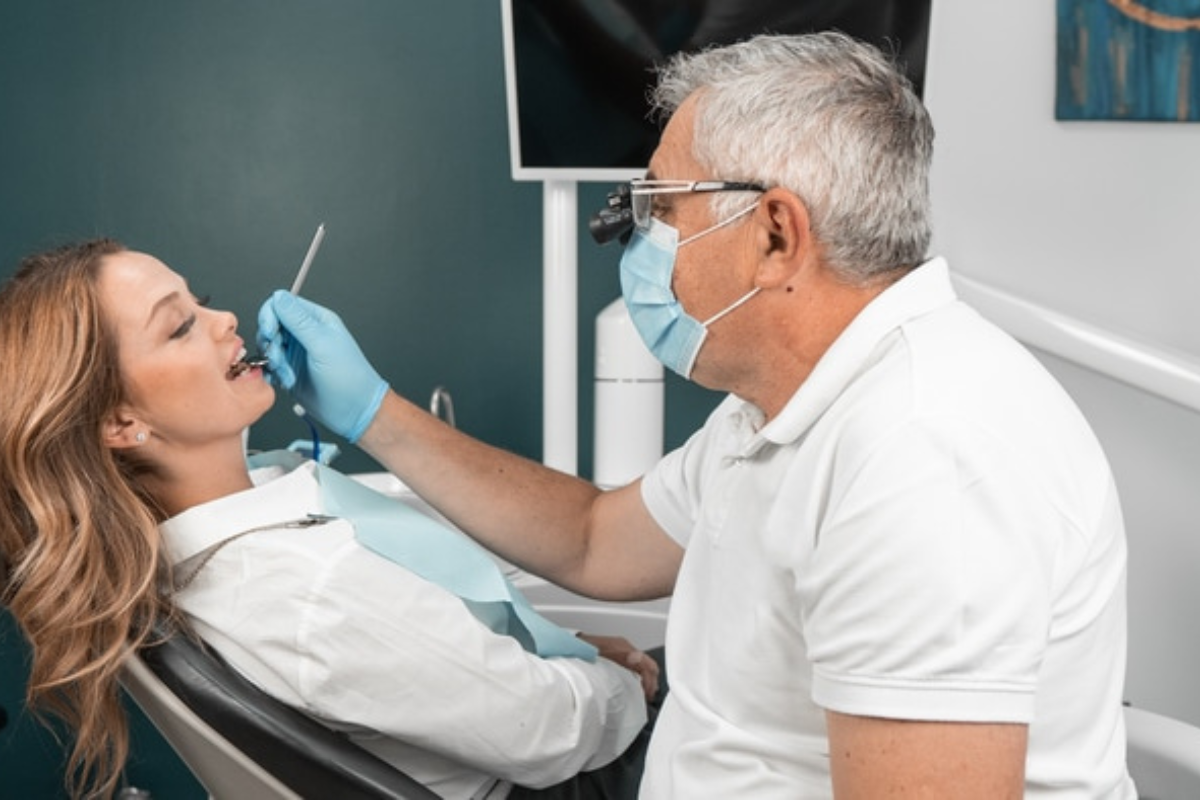
Preventive dental care remains one of the most effective ways to avoid serious oral health problems.
Routine visits allow your dentist to:
- Detect issues early
- Monitor changes over time
- Provide professional cleanings
- Recommend personalized treatment
- Help maintain long-term oral health
For families throughout the area, regular dental care offers peace of mind and a proactive approach to protecting their smiles.
If you’re searching for a dentist in McMurray, scheduling routine visits can help address concerns before they become more difficult to treat.
Don’t Wait Until Small Problems Become Bigger Ones
Many dental conditions are easier to treat when detected early. Delaying care can allow problems to progress, leading to discomfort, more extensive treatment, and greater expense.
At McMurray Family Dental, we are committed to helping patients maintain healthy smiles through preventive care, comprehensive examinations, and personalized treatment recommendations. If you’ve noticed tooth pain, sensitivity, bleeding gums, or any other dental concern, now is the time to take action.
Schedule an appointment today and discover how a trusted dentist McMurray families rely on can help protect your oral health and keep your smile healthy for years to come.
Conclusion
Your oral health plays a major role in your daily comfort, confidence, and overall well-being. Recognizing the signs of common dental problems and seeking treatment early can help prevent unnecessary complications and protect your smile for the future.
Whether you’re experiencing tooth pain, gum concerns, sensitivity, or simply want to stay ahead of potential problems, the team at McMurray Family Dental is here to help. Schedule your visit today and take the next step toward maintaining a healthier, stronger smile.
Frequently Asked Questions
1. What are the most common dental problems adults experience?
The most common dental problems include cavities, gum disease, tooth sensitivity, cracked teeth, missing teeth, bad breath, and teeth grinding.
2. When should I see a dentist for tooth sensitivity?
You should schedule a dental appointment if sensitivity persists for more than a few days or becomes increasingly painful, as it may indicate decay, enamel loss, or other concerns.
3. Can gum disease be reversed?
Early-stage gum disease, known as gingivitis, can often be reversed with professional cleanings and improved oral hygiene habits. More advanced stages require additional treatment.
How often should I visit the dentist?
Most patients benefit from dental checkups and professional cleanings every six months, though some individuals may require more frequent visits.
What happens if a cavity is left untreated?
An untreated cavity can grow larger, reach the tooth’s inner pulp, cause infection, and eventually require more extensive treatment.
Are missing teeth harmful to oral health?
Yes. Missing teeth can affect chewing, speech, tooth alignment, and jawbone health if not replaced.
What causes chronic bad breath?
Chronic bad breath may result from gum disease, tooth decay, dry mouth, oral infections, or inadequate oral hygiene.
Can teeth grinding damage my teeth?
Yes. Teeth grinding can wear down enamel, cause cracks, create jaw discomfort, and contribute to headaches and facial pain.
Medical Disclaimer: This article is intended for educational purposes only and should not be considered medical or dental advice. Individual oral health needs vary. Always consult a licensed dental professional for diagnosis, treatment recommendations, and personalized care.